Understanding the Landscape of Property in Mexico
Yes, foreigners can buy property in Mexico, and many do: retirees, remote workers and investors from the US, Canada and elsewhere buy homes here every year. The process is well established, but it differs from what most buyers know at home, mainly because a public notary (notario público) runs the closing and because special rules apply near the coast and the borders.
The rules are clear once you know them. Two questions shape almost every foreign purchase: is the property inside the 'restricted zone', and is it private property with a clean title, as opposed to ejido or communal land?
Inside the restricted zone, near the coast and the borders, foreigners can still own residential property; they hold it through a bank trust instead of in their own name. Outside it, foreigners can hold title directly.
- Check whether the property is inside the restricted zone (within 50 km of the coast or 100 km of a border).
- Understand the 'fideicomiso': the bank trust foreigners use to own residential property in the restricted zone.
- Work with professionals who regularly handle foreign buyers: an agent, an independent lawyer and the notary.
- Avoid ejido (communal) land unless it has been formally converted to private property (dominio pleno); ejido parcels cannot be safely bought by foreigners.
- Look into local zoning laws to ensure the property meets your intended use.
Home prices by city, according to PropTrenz
According to PropTrenz, as of October 2026 the average home price ranges from MXN $30,440/m² in Mérida to MXN $55,040/m² in Monterrey.
| City | Average price per m² | 70 m² home | Year-over-year | Median rent |
|---|---|---|---|---|
| Monterrey | MXN $55,040/m² | MXN $3.85 million | +11.1% | MXN $26,000 |
| Mexico City | MXN $48,560/m² | MXN $3.4 million | +6.3% | MXN $30,300 |
| Guadalajara | MXN $45,630/m² | MXN $3.19 million | +7.6% | MXN $23,800 |
| Mérida | MXN $30,440/m² | MXN $2.13 million | +7.2% | MXN $15,000 |
Legal Ownership Structures for Foreigners
In Mexico, the restricted zone covers land within 50 kilometers of the coast and 100 kilometers of the borders. There, foreigners cannot hold direct title to residential property, and this is where the fideicomiso comes in.
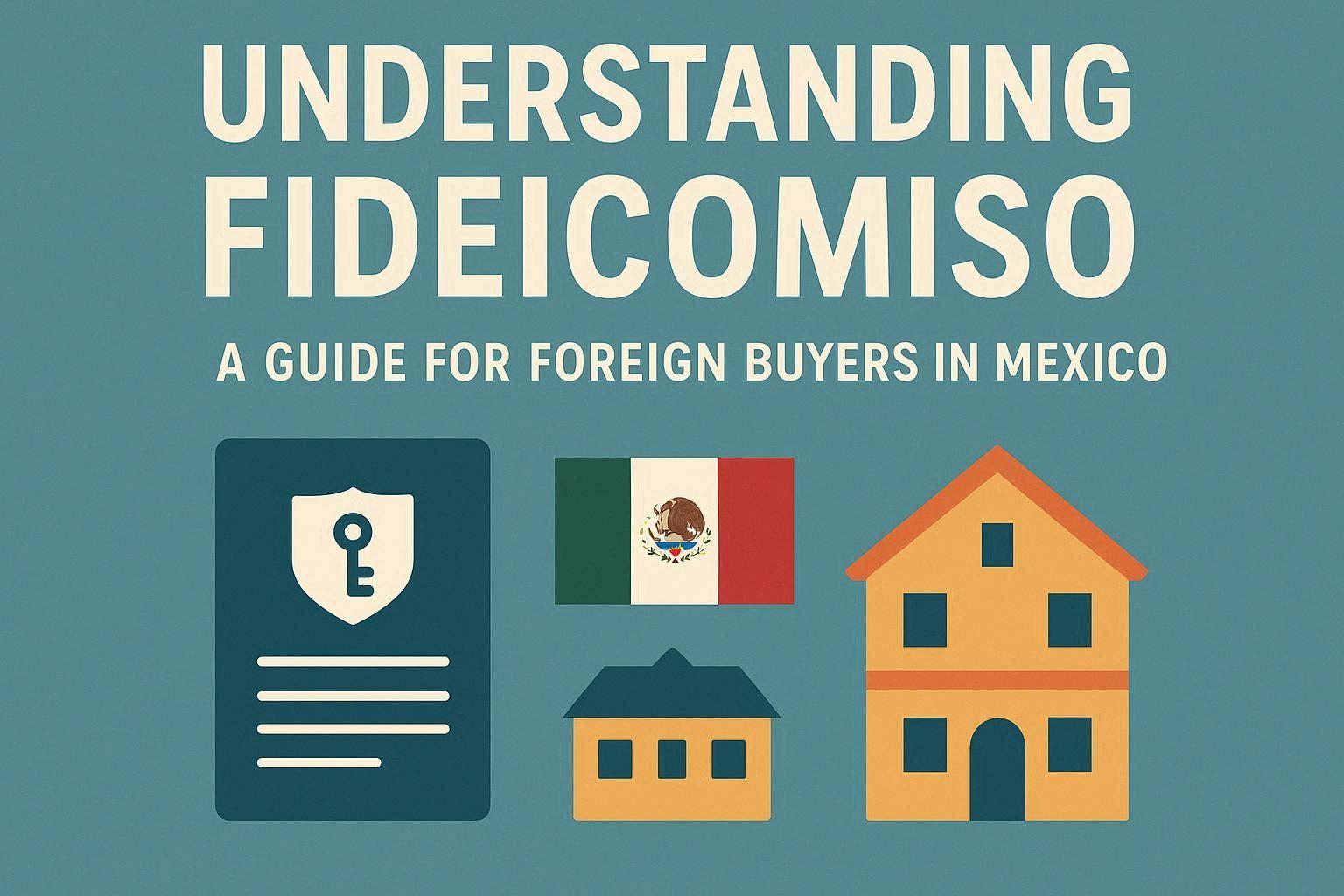
A fideicomiso is a trust: a Mexican bank holds legal title as trustee, and you are the beneficiary with the rights of an owner. You can live in the property, rent it out, renovate it, sell it and name beneficiaries to inherit it. It is a long-established, routine structure used by a large share of foreign owners in coastal areas.
Outside the restricted zone, for example in Mexico City, Guadalajara or San Miguel de Allende, foreigners can hold title directly in their own name. The purchase still requires a permit from the Ministry of Foreign Affairs (SRE), in which the buyer agrees to be treated as a Mexican national with respect to the property (the so-called Calvo clause). The notary normally handles this permit.
- A fideicomiso lasts up to 50 years and can be renewed.
- Choose a reputable bank for the fideicomiso; not all banks have the same fees or services.
- Keep in mind that you'll still need to pay annual fees for the fideicomiso.
- Direct ownership (an escritura in your own name) is available outside the restricted zone, after the SRE permit.
- The notary formalizes the trust in the deed; the trustee bank must accept the property and runs its own checks.
Fideicomiso Term
Up to 50 years, renewable
Annual Trust Fee
Commonly several hundred USD
The Step-by-Step Process of Buying Property
The purchase follows a predictable sequence, and staying organized makes it much smoother.
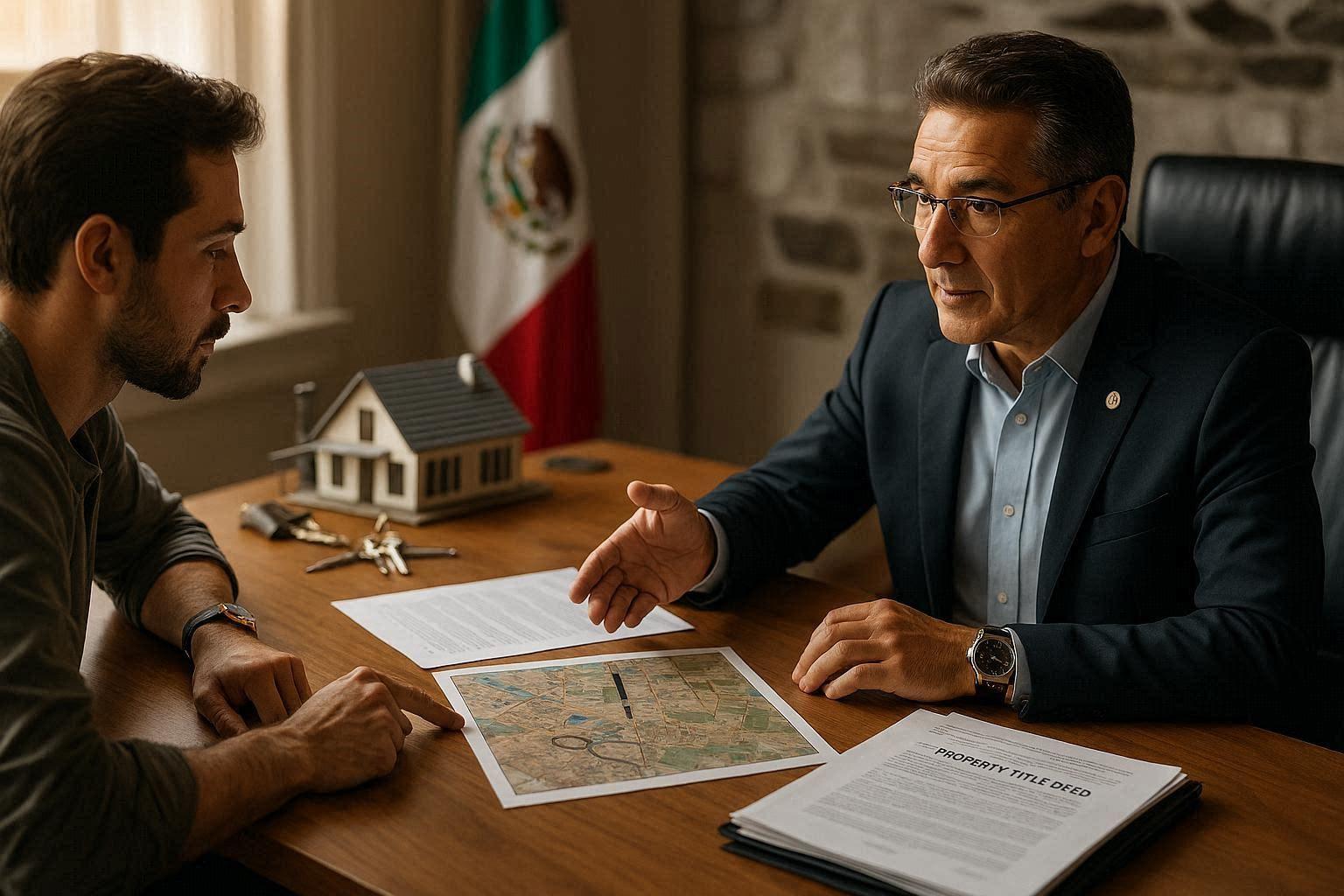
First, find the property and check it. A good agent helps with pricing and negotiation, but the legal checks should come from an independent lawyer and the notary. Before signing anything binding, confirm that the seller is the registered owner, that the property is free of liens, and that property tax (predial) and water bills are paid up.
Once you agree on a price, you typically sign a promise-to-purchase agreement (contrato de promesa de compraventa) and pay a deposit, often around 5-10% of the price, ideally into escrow or the notary's account rather than directly to the seller. The notary then obtains the certificates needed for closing, calculates taxes, prepares the deed (escritura) and, after signing, registers it with the Public Property Registry.
- Step 1: Choose an agent and an independent lawyer who regularly work with foreign buyers.
- Step 2: Visit properties and choose the one that fits your needs.
- Step 3: Sign a promise-to-purchase agreement and pay the deposit, preferably through escrow.
- Step 4: The notary runs the title and lien checks, obtains the permits (and the fideicomiso, if needed) and prepares the deed.
- Step 5: Sign the deed, pay the balance and closing costs, take possession, and confirm the deed is registered.
Typical Deposit
Often 5-10% of the price
Notary Fees
Commonly about 1-2% of value
Common Challenges Foreigners Face
The process is well established, but there are common pitfalls. The first is language: contracts and the deed are in Spanish, and you need to understand exactly what you sign. An independent, bilingual lawyer is worth the cost.
The second is incomplete disclosure. Sellers are not always forthcoming about problems such as unpaid fees, construction without permits or disputes with neighbors. A professional inspection and a lawyer's review of the documents protect you.
The third is financing. Mexican banks generally lend to foreigners who have residency and documented income in Mexico; non-residents usually pay cash or use cross-border lenders, typically with larger down payments.
- Always get a property inspection to identify potential issues before purchase.
- Consider hiring a bilingual attorney to help with legal documents.
- Look into financing early; non-residents often need a larger down payment or a cross-border lender.
- Be cautious of properties that seem too good to be true; do your due diligence.
- Keep up to date with local market trends to avoid overpaying.
Best Practices When Buying Property in Mexico
Do your homework: research the local market, understand the neighborhoods and know what comparable homes cost. Neighborhood-level price data, such as the PropTrenz pages linked in the table above, gives you an independent benchmark when you negotiate.
Visit the property several times, at different times of day and on different days of the week. Noise, traffic and activity can change a lot, especially in tourist areas.
Also, don't rush into a decision. Buying property isn’t just a financial investment; it's also an emotional one. Take your time, and don’t be afraid to walk away if something feels off.
- Interview multiple real estate agents to find one you trust.
- Set a realistic budget that includes all potential costs.
- Visit properties at various times to get a true feel for the area.
- Don’t hesitate to negotiate; many sellers expect it.
- Seek local advice to understand cultural nuances in real estate transactions.
Create a free account to unlock this guide
Create a complimentary PropTrenz account to unlock premium due diligence guides.
Get Started
Create Account
Already Have Account