The Importance of Legal Support in Property Transactions
Buying property in Mexico involves a legal system that works differently from the US or Canada, and the differences matter most at exactly the moments when money changes hands.
The key point many foreign buyers miss: the notary (notario público) who formalizes the sale is a neutral public officer, not your representative. The notary verifies identities, calculates and withholds taxes, and records the deed, but does not negotiate for you or protect your interests against the seller. An independent real estate lawyer does.
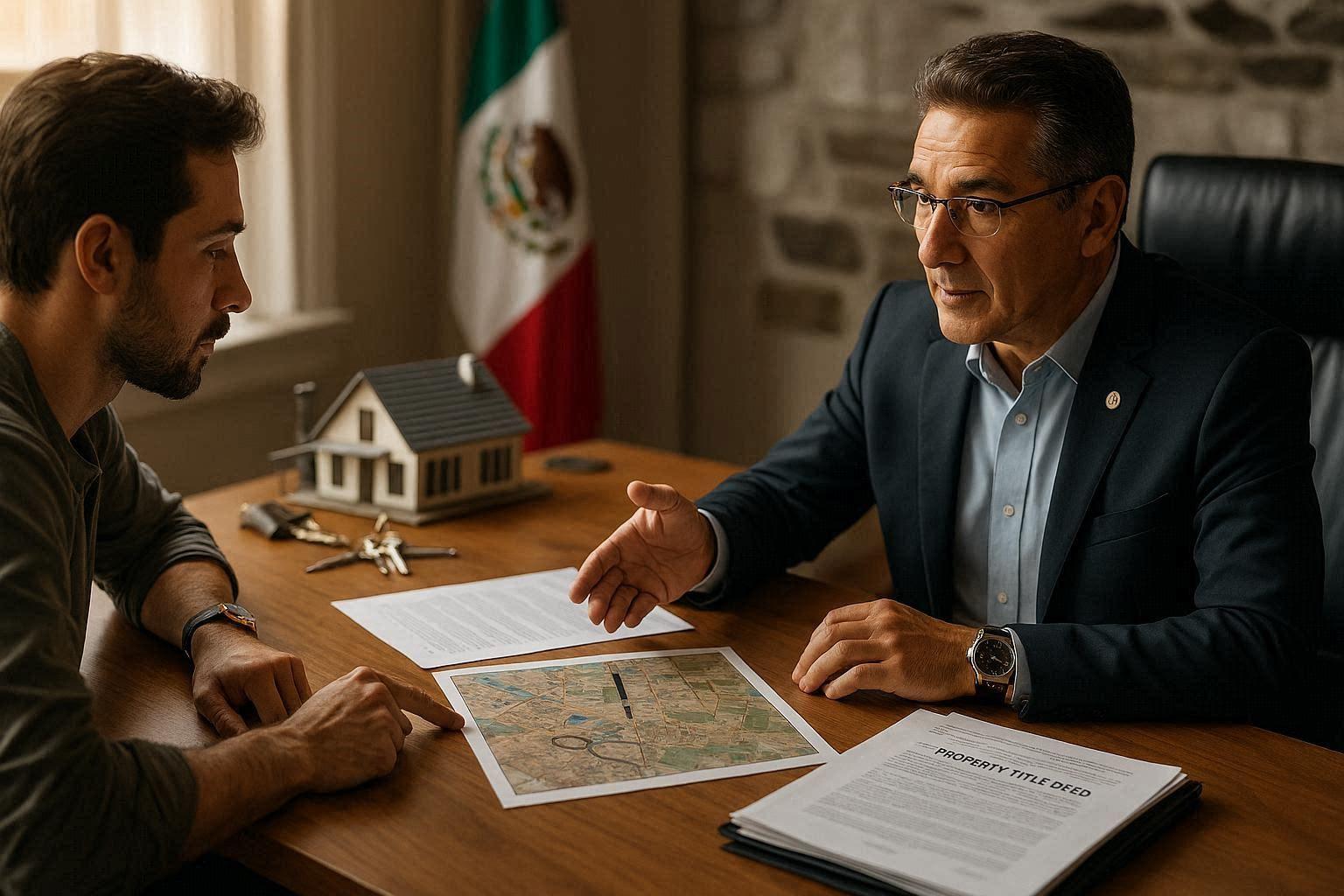
From reviewing the title chain to confirming the property is free of liens and debts, a lawyer helps you catch problems before you are committed, when they are still cheap to fix or walk away from.
- A lawyer ensures compliance with local property laws.
- Their expertise can save you from costly legal fees later.
- They help in drafting and reviewing contracts to protect your interests.
- A good lawyer can facilitate smoother negotiations with sellers.
Understanding Mexican Property Laws
Mexican property rules can differ from what you know at home. Foreigners buying within 50 km of the coast or 100 km of a border must use a bank trust (fideicomiso), and every foreign purchase needs a permit from the Ministry of Foreign Affairs. These restricted-zone rules shape how you buy, so understand them before making an offer.
Due diligence is the heart of a lawyer's work: checking the Public Property Registry for the registered owner and any liens or encumbrances, confirming that property tax (predial), water and condominium fees are paid, and verifying that the land is private property rather than ejido or communal land.
Many buyers assume they can handle this alone or that the agent will. But agents are paid when the deal closes, and even small oversights, such as an unregistered extension or an unpaid maintenance balance, can become expensive after closing.
- Foreigners can buy property in Mexico, but there are regulations.
- Understanding the Restricted Zone is critical for coastal properties.
- Title searches can reveal hidden liens or claims against a property.
- Lawyers can ensure correct tax payments to avoid future penalties.
The Buying Process: Step-by-Step
The purchase typically follows these steps. Your lawyer should walk you through each one for your specific property.
Step 1: Find a property you love. Sounds simple, right? But be sure to do your research on the area; different regions have different market dynamics.
Step 2: Make an offer. Your lawyer can help draft this to ensure it includes all necessary terms and conditions.
Step 3: Once the offer is accepted, it's time for a due diligence period. This is where your lawyer shines—they’ll check for any legal issues regarding the property.
Step 4: If everything checks out, the next step is to sign a purchase agreement, which your lawyer will help you negotiate and review. Don't skip this step; it’s crucial!
Finally, you'll close the deal in front of a notary, and your lawyer will ensure that all documents are in order. It’s a bit of a process, but with the right guidance, you’ll navigate it smoothly.
- Conduct market research before finding a property.
- A lawyer helps draft an offer that protects your interests.
- Due diligence is critical—don’t skip this step!
- Closing requires cooperation with a notary, which a lawyer will facilitate.
Common Pitfalls to Avoid
A few problems come up again and again in Mexican property transactions. Here are the main ones to watch for.
First, verify the seller's right to sell. Properties are sometimes offered by people who are not the registered owner, or by one heir when several share an estate. A lawyer confirms ownership and authority against the registry and the seller's identification.
Second, scrutinize the title. Unresolved issues, such as liens, an incomplete inheritance or a deed that was never registered, can follow the property after the sale. A current certificate of no liens (certificado de libertad de gravamen) and a review of the title chain are essential.
Finally, be wary of pressure to close quickly or to pay large sums directly to the seller. Urgency is a common tactic in problem deals. Keep deposits in escrow or with the notary, and let your lawyer set the pace for the checks.
- Always verify the seller’s ownership and authority to sell.
- Conduct thorough title searches to avoid issues.
- Watch out for rushed timelines; they can be red flags.
- Never skip legal reviews of contracts and agreements.
Create a free account to unlock this guide
Create a complimentary PropTrenz account to unlock premium due diligence guides.
Get Started
Create Account
Already Have Account