The Question Everyone Asks (And The Answer No One Likes)
I’ve been consulting on properties in Mexico for over many years, and without fail, the first question I get is: "Can I build a nice 3-bedroom house for $50,000 USD?"
The short answer? No. Not anymore.
The long answer is what we’re going to cover today. I’m going to be brutally honest with you because I’m tired of seeing foreigners get half-finished houses because they budgeted based on a blog post from 2012.
Building in Mexico is an adventure. It can be incredibly rewarding, and yes, it is generally cheaper than in the US, Canada, or Europe. But the gap is closing, especially in the hotspots where you probably want to live.
Inflation hit the construction sector hard here. Steel, cement, and glass prices have jumped significantly in the last three years. Plus, the peso has had its moments of strength, which impacts your buying power if you're bringing dollars.
So, let's throw out the guesswork. I'm going to give you the real numbers, the hidden costs that catch everyone off guard, and the specific quirks of Mexican construction that you need to know before you break ground.
- Construction costs have risen roughly 25-30% since 2020 due to global supply chain issues and local inflation.
- Most online calculators exclude the cost of the land, the perimeter wall (barda), and the pool, which are major line items.
- Regional differences are massive; building in a colonial center is vastly more expensive than on a suburban lot.
- The 'price per square meter' metric is useful for estimates but often ignores the quality of finishes, which can double your budget.
- Exchange rate volatility is a real risk factor you must build into your contingency fund.
The Magic Number: Cost Per Square Meter
In Mexico, we don't talk in square feet. We talk in meters. Get used to it, or you're going to be constantly confused.
For a quick conversion, 1 square meter is roughly 10.76 square feet. But for your sanity, just multiply by 11 to get a rough idea.
Contractors here quote in Pesos per Square Meter ($/m2). This number usually covers materials and labor for the structure and finishes. It rarely includes the land, the permits, or the architect's design fees.
Here is the breakdown I'm seeing right now. These are averages, but they are realistic for decent quality work.
Social Interest / Basic: 8,000 to 12,000 MXN per m2. This is bare bones. Ceramic tile, aluminum windows, basic fixtures. You probably aren't building this.
Residential / Mid-Range: 14,000 to 22,000 MXN per m2. This is where most expats land. Good quality ceramic or basic marble, nice carpentry, mini-split AC units, pressurized water system.
Luxury / High-End: 25,000 to 45,000+ MXN per m2. The sky is the limit here. Imported marble, smart home systems, double-pane PVC windows, central AC, high-end kitchen appliances.
If you want to build a 250 m2 house (about 2,700 sq ft) with nice mid-range finishes, do the math. At 18,000 pesos/m2, you're looking at 4.5 million pesos. At a 18:1 exchange rate, that's roughly $250,000 USD. Again, plus land.
- Always clarify if the quote includes IVA (16% VAT); many contractors quote 'net' to make the price look lower.
- Luxury finishes like imported Italian kitchens or German windows will blow your price per meter out of the water.
- Single-story homes are generally more expensive per meter than two-story homes because the foundation and roof are the most costly phases.
- Don't forget to budget for the 'barda perimetral' (perimeter wall); in Mexico, this is essential for security and often charged separately.
- Kitchens and closets are often excluded from the initial 'obra gris' (gray work) quotes, so ask specifically about carpentry.
Basic Build Cost
$8,000 - $12,000 MXN / m2
Mid-Range Build Cost
$14,000 - $22,000 MXN / m2
Luxury Build Cost
$25,000 - $45,000+ MXN / m2
Location, Logistics, and Why It Matters
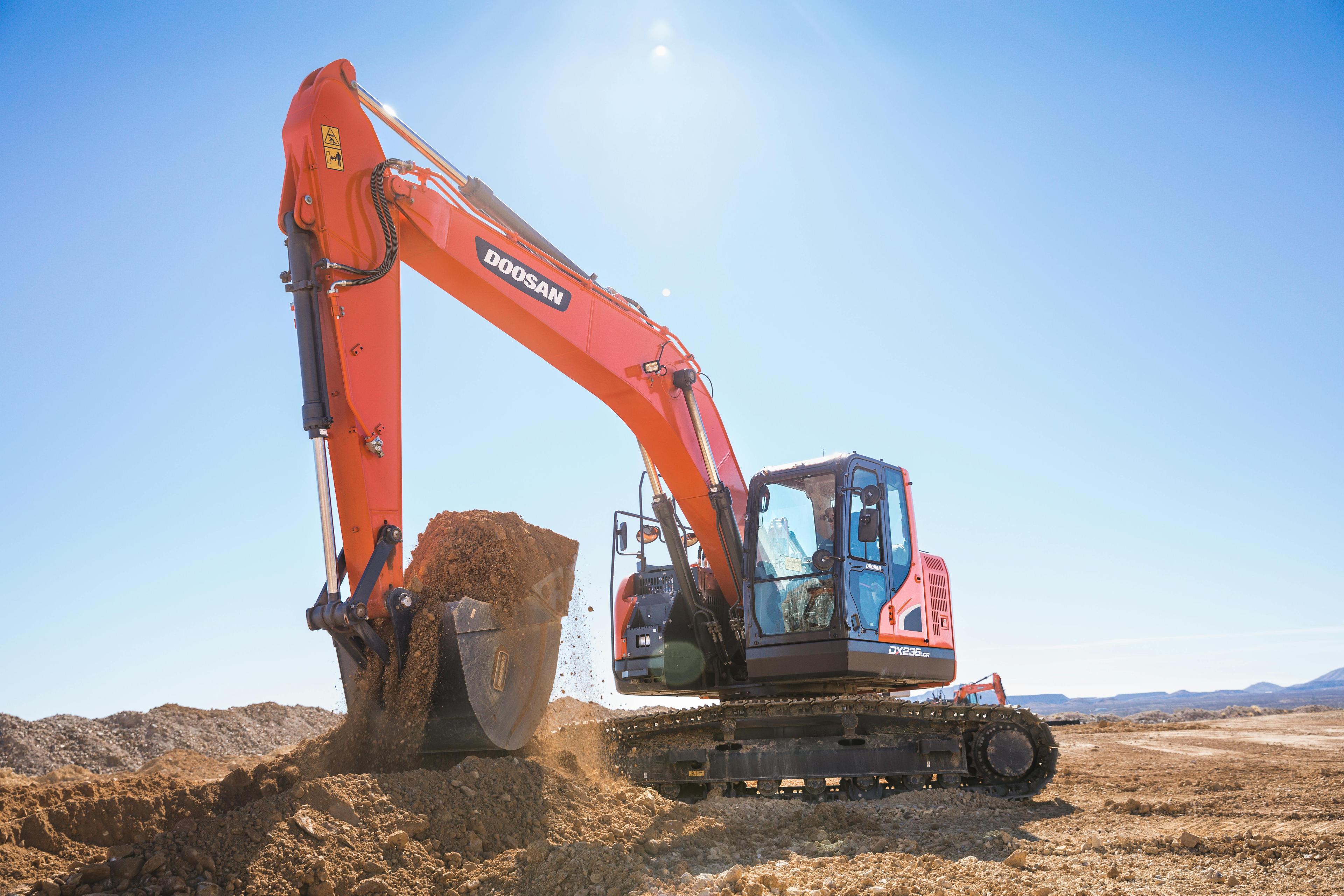
You can't just take that average number and apply it everywhere. Geography changes everything in Mexico.
Let's talk about Tulum. Everyone wants to build in the jungle. But the logistics are a nightmare. You're often building on soft limestone or in areas with no municipal water. And remember, getting cement trucks down a dirt jungle road costs extra.
Now compare that to Mérida. The land is flat, the bedrock is solid, and the labor force is massive and skilled. Building in the north of the city is generally cheaper and faster than on the Caribbean coast.
Then you have the big city factor. In Mexico City, specifically areas like Polanco or Condesa, you aren't usually building from scratch. You're remodeling. And remodeling a protected 1940s building is expensive. You need specialized permits and unions are aggressive. See Polanco real estate prices and Explore Condesa to see the premium on finished product.
If you go to Los Cabos, you're paying the 'island tax' even though it's a peninsula. Almost everything is trucked down from the US or shipped across from the mainland. Labor is scarce and expensive because the hotels hire everyone. It reflects this high cost of living.
Even in San Miguel de Allende, the challenge is different. It's about heritage preservation. You can't just build whatever you want; the facade has to match the colonial aesthetic, which means expensive stone and masonry work.
Don't ignore the 'Pueblo Mágico' factor. Places like Valle de Bravo command luxury prices because of the difficult topography and the high-end clientele.
- Coastal areas require special materials (marine-grade aluminum, treated wood) to resist salt corrosion, increasing costs by 15-20%.
- Building on a slope (like in Puerto Vallarta or Valle de Bravo) requires expensive retaining walls and complex engineering.
- Islands like Cozumel or Holbox have significantly higher material costs due to ferry/freight charges.
- Historic centers (Centro Histórico) often restrict heavy machinery use, meaning more manual labor and longer timelines.
- Gated communities (fraccionamientos) often have their own construction fees and bond requirements that you must pay upfront.
The Soft Costs That Will Bleed You Dry
If you only budget for bricks and mortar, you're going to go broke.
First, you have the Architect and Engineering fees. A good architect will charge anywhere from 10% to 15% of the total construction cost for project management. Design fees are separate.
Then there are the permits. The 'Licencia de Construcción' varies wildly by municipality. It's calculated based on the square meters and the type of construction. It's not just a rubber stamp; it involves inspections and bureaucracy.
But here is the big one: IMSS (Social Security). This is the one that shocks foreigners.
You, as the owner of the project, are ultimately responsible for the social security payments of every worker on your site. Even if you hire a contractor, if they don't pay IMSS, the government comes after you and puts a lien on your property.
IMSS is calculated based on an estimated labor factor for the type of job. It can amount to 25-30% of your labor costs. It is huge.
You also need to deal with the Unions (Sindicatos). In many parts of Mexico, a union representative will show up the day you break ground and demand a fee to 'protect' your site. It's basically a shakedown, but it's part of the game. If you don't pay, they can shut down your site with a strike flag.
- Always demand 'Carta de No Adeudo' from IMSS before making your final payment to any contractor.
- Utility hookups (CFE for electricity, local water authority) can take months and cost thousands of dollars if infrastructure isn't at the lot line.
- The 'Terminación de Obra' (Completion of Works) is a final permit required to get the house officially registered; without it, you can't sell.
- Soil studies (Mecánica de Suelos) are mandatory in many areas and essential for seismic zones; don't skip this to save $500.
- Notary fees for registering the new construction (Manifestación de Construcción) will hit you at the end of the project.
Create a free account to unlock this guide
Create a complimentary PropTrenz account to unlock premium due diligence guides.
Get Started
Create Account
Already Have Account