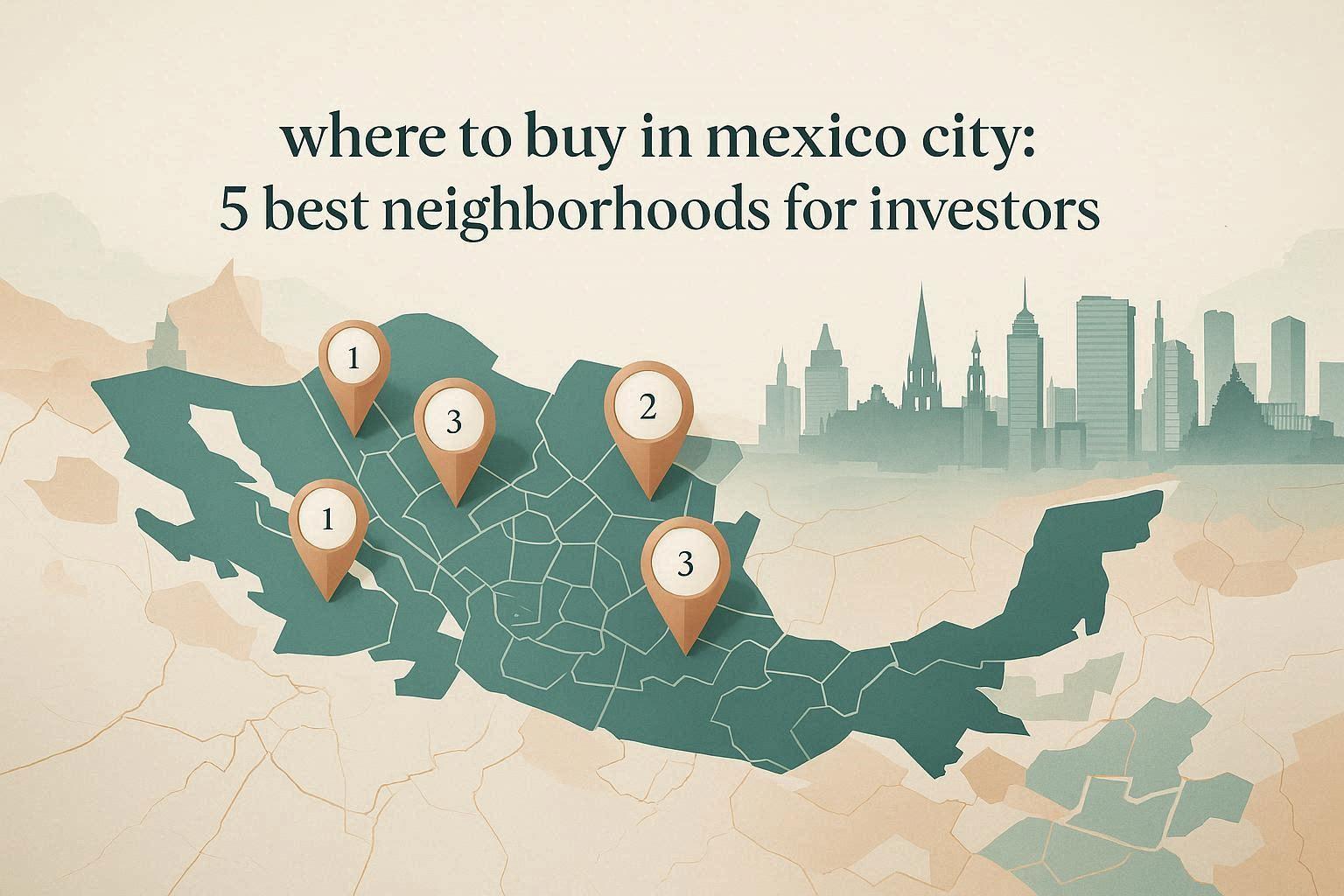
The Real Deal on Mexico City Real Estate Right Now
I've been walking these streets and closing deals here for many years, and I have never seen the market quite like this. If you are looking at Mexico City real estate, you are probably hearing a lot of noise about the "digital nomad wave" or the "nearshoring boom." Here is the thing: most of it is true, but that doesn't mean every property is a goldmine. You have to be surgical about this.
Mexico City, or CDMX as we call it, is a beast. It is massive, chaotic, and incredibly segmented. You can cross one street and drop your property value by 30%. I see foreign investors come in all the time thinking they can buy cheap and flip fast anywhere in the city. That is a recipe for disaster. The real money right now is in specific pockets where rental demand outstrips supply, or where gentrification is just starting to boil over.
We are seeing a shift in how people live here. It used to be all about big family houses in the suburbs. Now? Everyone wants walkability. They want to be near the parks, the cafes, and the action. This shift has sent home prices in Mexico City skyrocketing in central zones, but there are still opportunities if you know where to look. View overall Mexico City market trends to get a baseline before we dive into the specific zones.
When I advise clients, I tell them to ignore the flashy ads for new developments in the middle of nowhere. Stick to the core. The appreciation potential in the central corridor is driven by genuine scarcity—they aren't making any more land in Roma or Condesa. You are buying a slice of history that also happens to be a cash flow machine if managed right.
- Don't rely on general city-wide statistics; CDMX is a collection of micro-markets that behave independently.
- Focus on 'Uso de Suelo' (land use) permits before making an offer to ensure you can legally run short-term rentals.
- Expect to pay between $3,500 to $6,000 USD per square meter in prime zones, depending on the finish levels.
- Renovation projects often yield higher returns than pre-construction because you aren't paying the developer's premium.
- Always check the water supply pressure in older buildings; it is a common deal-breaker in central neighborhoods.
Avg Price/m² (Prime)
$4,500 USD
Rental Yield Range
5% - 9%
1. Roma Norte and Roma Sur: The Heavyweights
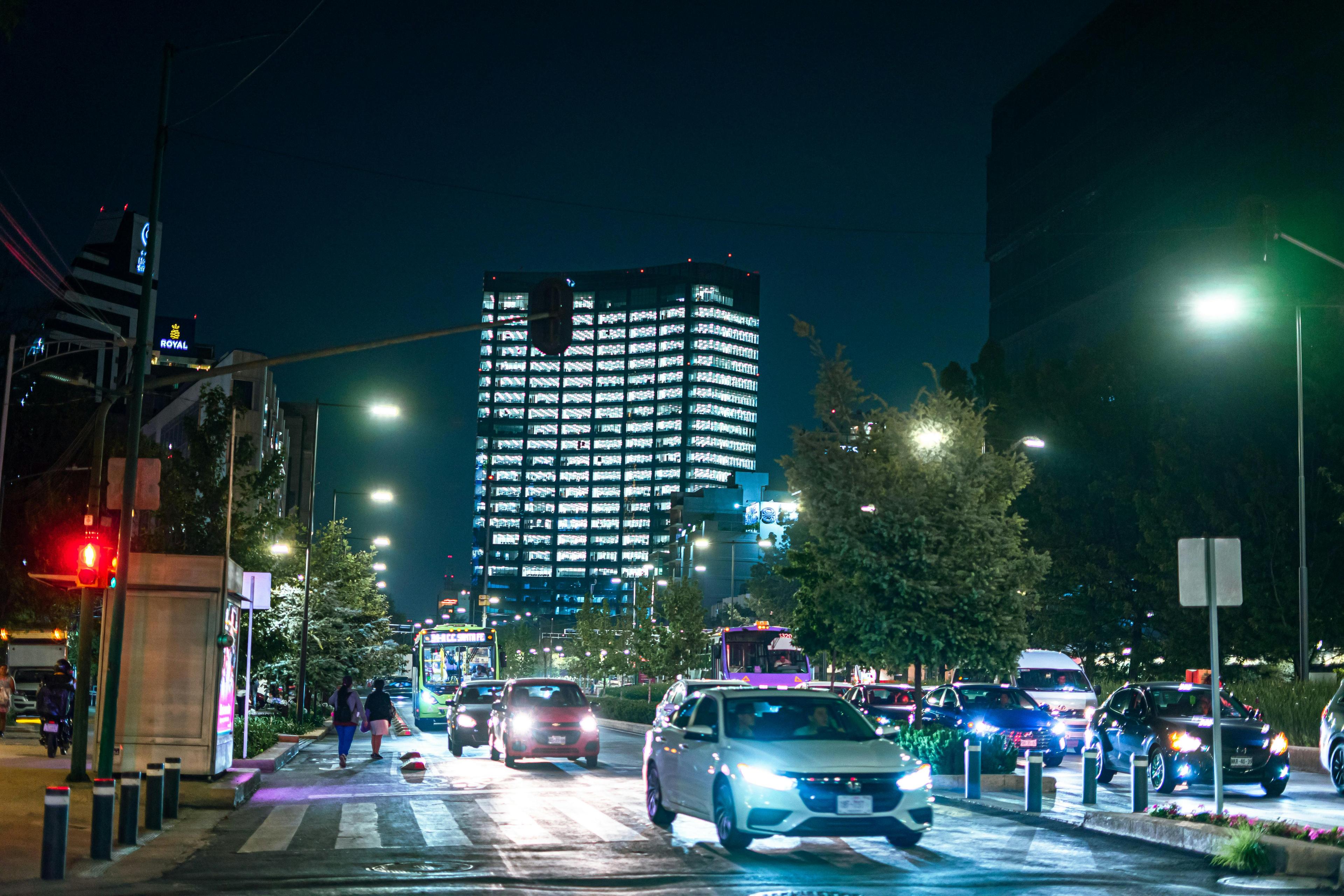
If you want high occupancy rates on short-term rentals, Roma is the undisputed king. I remember when Roma was just crumbling facades and cheap rents. Now? It's the epicenter of cool. But you have to distinguish between the two distinct vibes here. Roma Norte is where the action is—it's loud, it's busy, and it commands the highest nightly rates. Check Roma Norte prices to see the premium attached to this zip code.
The inventory here is a mix of stunning early 20th-century mansions and modern infill apartments. The challenge in Roma Norte is finding a deal. Everyone knows it's hot. You are competing with institutional money and savvy locals. However, the demand is virtually recession-proof because it attracts both tourists and wealthy locals who want the lifestyle.
Then you have Roma Sur. This is my personal favorite for value investors. It is quieter, more residential, and feels more like a traditional neighborhood, yet it is literally across the street from the action. Prices here are slightly softer, but they are catching up fast. Compare Roma Sur prices and you will see the gap narrowing. If I were buying a long-term hold today, I'd be looking south of Coahuila street.
The appreciation potential here is driven by the 'spillover' effect. As Norte gets too expensive or too commercial, people move South. It is a natural progression I have watched play out for a decade. Buying in Roma is safe, but you need to be careful about the structural integrity of the building. The 2017 earthquake taught us that soil mechanics matter here.
- Look for properties near Parque México or Plaza Río de Janeiro for the highest capital preservation.
- Roma Norte is better for Airbnb/short-term strategies due to high tourist foot traffic.
- Roma Sur is superior for medium-term executive rentals and digital nomads staying 3+ months.
- Avoid ground-floor units on main avenues like Alvaro Obregón unless you are buying commercial space; the noise kills residential value.
- Verify the building's classification; if it's a heritage building (INBA), renovation costs will double due to permits.
Roma Norte Cap Rate
6.5% - 8%
Roma Sur Appreciation
12% YoY
2. La Condesa: The Green Oasis
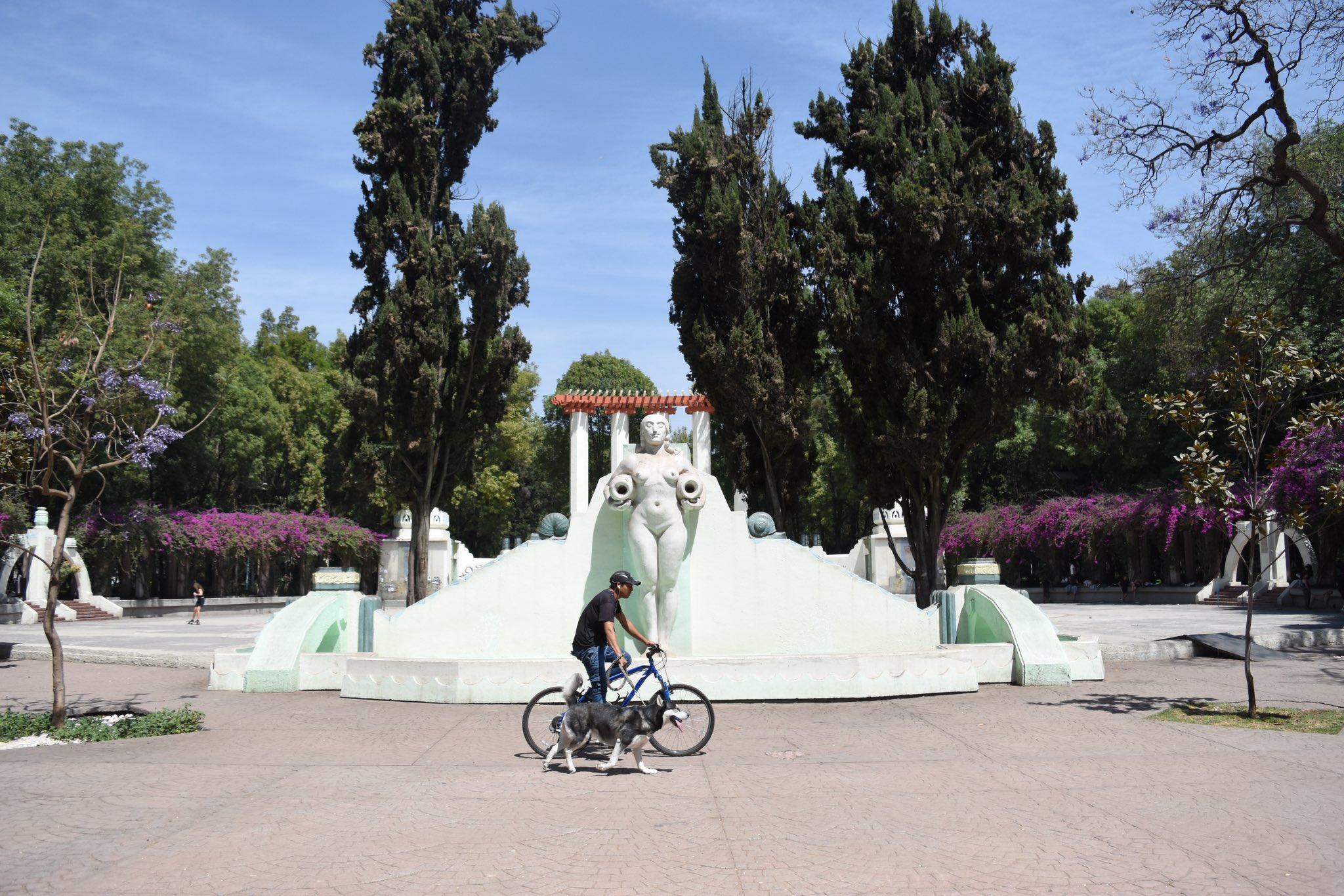
Condesa is the sister to Roma, but she is the one who goes to bed a little earlier and likes to jog in the morning. It is greener, slightly more expensive per square meter in some pockets, and incredibly stable. The draw here is the parks—Parque México and Parque España. If you have a property with a view of the park, you have a golden ticket. View Condesa price trends to see what I mean about the price stability.
The market here is mature. You aren't going to find 'steals' easily. You are paying for stability and capital preservation. I tell clients that Condesa is where you park money you want to keep safe. The rental demand is massive, but it leans slightly more towards expats and young families compared to the backpacker vibe you sometimes get in parts of Roma.
One thing to watch out for in Condesa is the noise zoning. It is a party area on weekends. If you buy near bars and clubs, you might struggle to keep long-term tenants, though short-term guests might not mind. Also, because it's arguably the most desirable walking neighborhood in the country, inventory is tight. Check Hipódromo Condesa is a specific sub-section that offers some of the best Art Deco architecture in the city.
Parking is a nightmare here. If you find a condo with two parking spots, buy it. Seriously. It adds disproportionate value to the property because street parking is a contact sport in Condesa. I've seen deals fall through just because the parking spot was too tight for an SUV.
- Properties facing the Amsterdam oval track command a 15-20% premium over interior streets.
- Check for 'Edificio Catalogado' status; it limits your ability to modify the facade but offers tax incentives.
- The area is very dog-friendly; pet-friendly rental units lease 40% faster here than anywhere else.
- Be wary of buildings constructed between 1985 and 2000; older Art Deco is often sturdier than the 90s concrete builds.
- Hipódromo is generally quieter than Condesa proper, making it better for long-term expat rentals.
Occupancy Rate
85%+
Avg Rent (2 Bed)
$2,200 USD
3. Polanco: The Blue Chip Investment
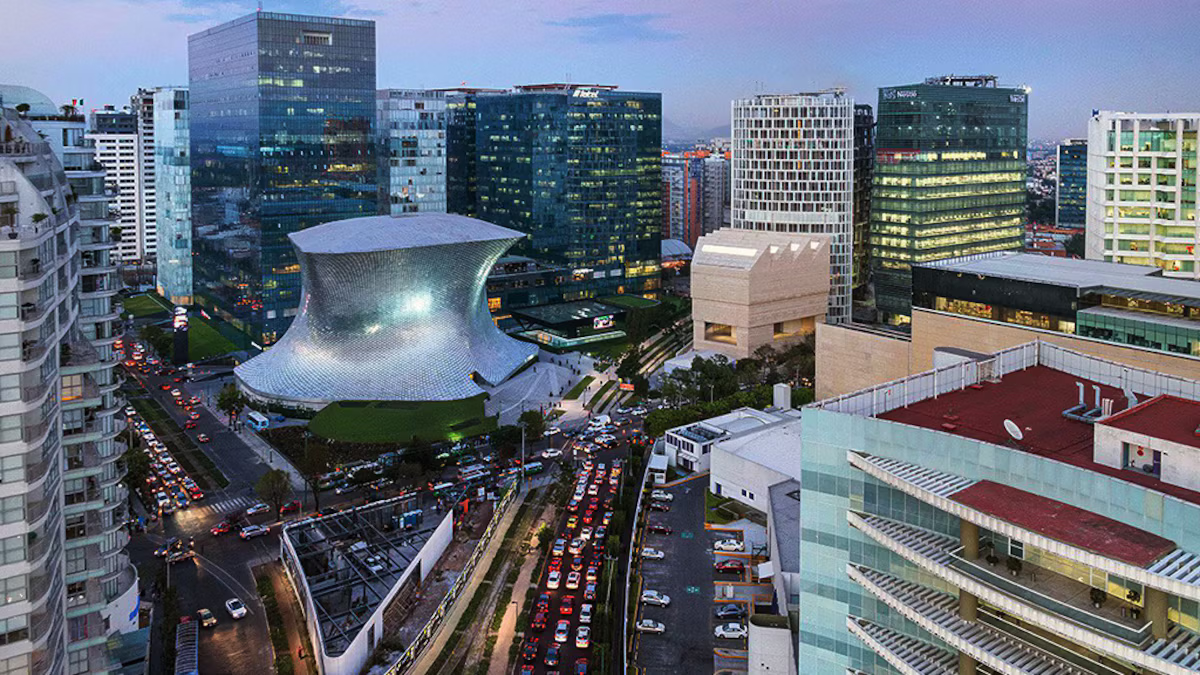
Polanco is the Beverly Hills of Mexico City. It is sterile to some, safe to others, but undeniably wealthy. This is where the diplomats, the politicians, and the old money live. If you are looking for aggressive appreciation, look elsewhere. Polanco is already at the top of the market. But if you want wealth preservation and dollarized rents, this is your spot. Analyze Polanco luxury market.
The entry price here is high. You are looking at luxury condos that can easily run into the millions of dollars. However, the rental market is unique because it is driven by corporate contracts. Multinational companies rent apartments here for their executives. They pay on time, they don't trash the place, and they sign long leases. That is a landlord's dream.
Traffic is the Achilles' heel of Polanco. Getting in and out can be a nightmare. That's why the most valuable properties are the ones within walking distance of Masaryk Avenue or Lincoln Park. You want your tenant to be able to walk to dinner because driving will take them 45 minutes to go three blocks. View Polanco IV Sección is often considered the sweet spot for location.
I often steer younger investors away from here because the yields (cap rates) are lower compared to Roma or Juárez. You are paying a premium for the zip code. But for my clients who just want to diversify their portfolio into hard assets in a safe jurisdiction, Polanco is the default answer. It never goes out of style.
- Target apartments with 3+ bedrooms; the Polanco market is driven by families and executives who need space.
- Security is the #1 priority for tenants here; 24/7 armed guards and controlled access are non-negotiable requirements.
- Maintenance fees (mantenimiento) are significantly higher here, often $300-$600 USD monthly; factor this into your ROI.
- Look for 'Polanco Reforma' area for slightly lower entry prices but excellent proximity to the business district.
- Corporate leases usually require fiscal invoices (facturas); ensure your tax situation is set up to issue them.
Avg Price/m²
$6,000 - $10,000 USD
Target Tenant
Diplomats/Execs
Create a free account to unlock this guide
Create a complimentary PropTrenz account to unlock premium due diligence guides.
Get Started
Create Account
Already Have Account