The Short-Term Rental Reality Check
I've sat across the table from hundreds of investors in the last few years. Most of them came in with the same dream: They want a beach house that pays for itself. It's a great dream! But here is the cold water I have to throw on everyone: the "build it and they will come" days are over. Dead.
Mexico is a mature market now. Competition is fierce. You can't just buy a condo, throw some IKEA furniture in it, list it on Airbnb, and expect 80% occupancy. You have to be strategic. You have to buy right. You have to know the difference between a market that is peaking and a market that is just waking up.
I'm going to walk you through the specific areas where I am actually seeing clients make money right now. I'm not talking about theoretical ROI on a developer's brochure. I'm talking about real occupancy, real rates, and the actual headaches you'll deal with in each spot. Let's get into it.
- Location within the neighborhood matters more than the city itself; being three blocks from the beach versus ten blocks can cut your nightly rate in half.
- Saturation is real in tourist hubs; you must differentiate with design, amenities, or unique experiences to stand out.
- Seasonality kills cash flow if you don't plan for it; some markets go dead silent in September and October.
- Regulatory climates are changing; some condo buildings are now banning short-term rentals, so check the bylaws (Regimen de Condominio) before signing anything.
Mexico City: The Year-Round Cash Cow

If you asked me ten years ago, I would have told you to buy on the beach. Today? I tell people to look at the capital. Mexico City has become a global hotspot for digital nomads, and unlike the beach towns, it does not have a low season. It is busy in January, it is busy in July. The occupancy rates here are some of the most consistent I have ever seen.
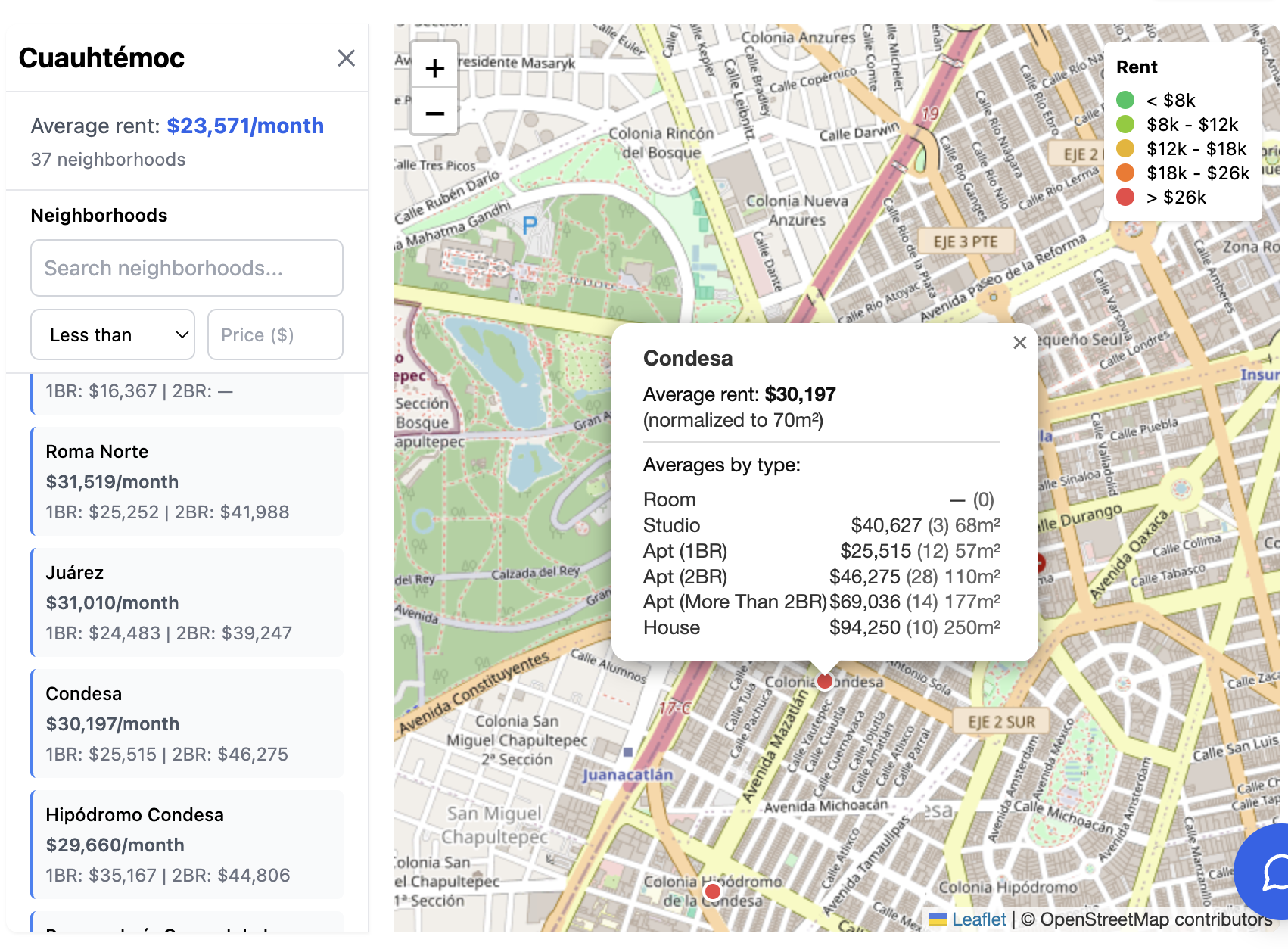
The obvious choice is Roma Norte. It is trendy, walkable, and full of cafes. Check Roma Norte prices to see what I mean. It commands high nightly rates. But because everyone wants to be there, property prices per square meter have skyrocketed. You are paying a premium for that demand.
Right next door is La Condesa. It’s greener, slightly more residential, but just as expensive. View Condesa market data shows the steady appreciation there. If you have the budget, these are blue-chip investments. They aren't going anywhere.
However, if you want growth, I'm looking at Juárez. It's grittier but gentrifying fast. It borders the best zones but costs less. Explore Juárez price trends if you want to see the price difference. Another solid option is Polanco, but that is a different market. See Polanco luxury stats reveals it's more for high-end business travelers and diplomats, requiring a luxury finish out.
- The 'Digital Nomad Visa' isn't technically a requirement for guests, but the influx of remote workers looking for 1-3 month stays is driving this market.
- Earthquake structural integrity is a major question from guests; having a certified engineering report can actually boost your bookings.
- Noise pollution is the number one complaint in CDMX Airbnbs; investing in double-pane soundproof windows is mandatory, not optional.
- Proximity to Metrobus lines or Metro stations increases occupancy for budget-conscious travelers, while proximity to parks drives rates for luxury travelers.
Average Occupancy (Prime Areas)
75-85%
Top Tenant Profile
Remote Workers / Long Stays
Riviera Maya: Tulum and Playa del Carmen
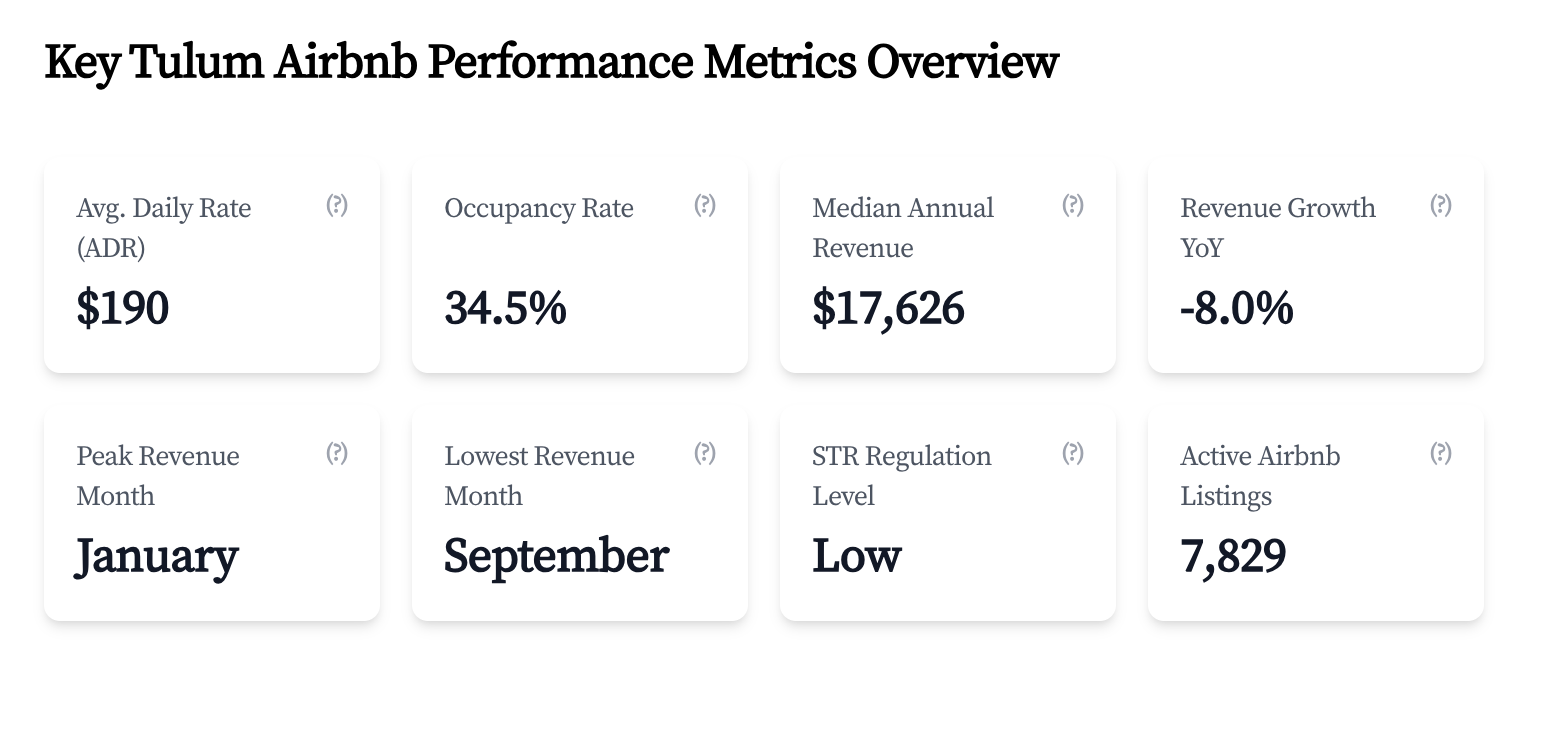
This is the big one. Everyone wants a piece of the Caribbean. But you have to be careful here. Tulum has grown faster than its infrastructure. That is just a fact. Yet, it still commands some of the highest nightly rates in the country. If you buy in Region 15 or La Veleta, you are betting on the future. Airbnb shows a massive inventory increase, and things are not looking good, with median property having just 35% occupancy rate, which means you have to design a stunning property to compete and achieve close to 70% occupancy.
Playa del Carmen is the older, more stable sibling. It's walkable, which guests love. The area known as Centro is always in demand. I prefer Playa for investors who want less volatility. It’s not as 'cool' as Tulum, but the occupancy is steadier because it attracts families and regular tourists, not just influencers.
Don't ignore the master-planned communities like Puerto Aventuras or neighborhoods within Playa like Playacar. They offer security and golf courses, which appeals to a higher-end demographic that rents for weeks at a time.
- Sargassum (seaweed) season is a real factor from April to August; properties with nice pools outperform beachfront condos during these months.
- ROI claims of 15-20% from developers are often based on best-case scenarios; realistic net yields after expenses are usually closer to 6-9%.
- Property management fees in Riviera Maya are high, typically 25-30% plus IVA, because the humidity requires constant maintenance.
- The new Tulum International Airport and the Maya Train are game-changers, potentially boosting occupancy in previously harder-to-reach areas.
Puerto Vallarta & Riviera Nayarit: The Pacific Classic
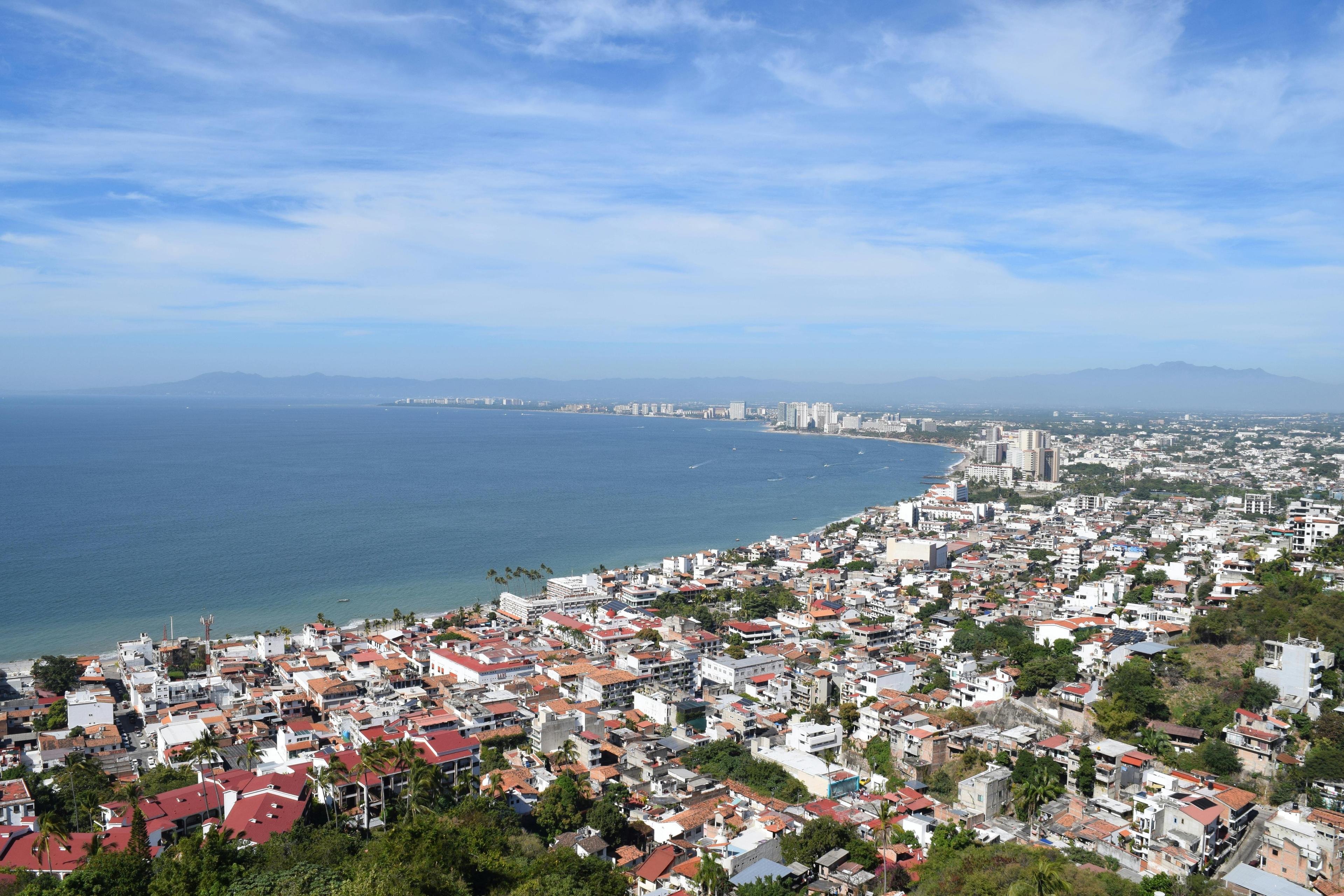
I love this market because it has history. Unlike Tulum, which feels brand new, Puerto Vallarta has been a destination for sixty years. The return guest rate here is phenomenal. People come back to the same condo every February for ten years. That reduces your marketing costs significantly.
The Zona Romántica is the heart of the rental action. It is LGBTQ+ friendly, walkable to the beach, and vibrant. It's pricey, but the demand is insatiable. You can charge premium rates for anything with a view here.
If you go north into Riviera Nayarit, look at Nuevo Vallarta (now Nuevo Nayarit) or Bucerías. Bucerías is capturing the overflow of people who find PV too crowded. It feels like old Mexico but with modern condos. It is a sleeper hit right now.
For the ultra-luxury segment, Punta Mita is the place, but the entry price is steep. The key in Vallarta is the view. If you don't have a view, you better have an amazing location.
- The summer months (July-September) are incredibly hot and humid; AC costs will triple, and you must budget for this in your P&L.
- The terrain is hilly; properties high up in areas like Conchas Chinas offer views but require guests to take taxis, which can hurt occupancy for younger travelers.
- The 'snowbird' market here is huge; many investors prefer renting for 3-4 months straight in winter to retirees, guaranteeing income with less turnover wear and tear.
- Older buildings in PV often have maintenance issues; always get a specialized inspection for plumbing and electrical before buying resale.
Create a free account to unlock this guide
Create a complimentary PropTrenz account to unlock premium due diligence guides.
Get Started
Create Account
Already Have Account