The Online Myth vs. The Street Reality
If you are sitting at your computer in the US or Canada right now, scrolling through rental websites, I need you to stop. Take a breath. What you are seeing on the screen is not the real market. It is what I call the "convenience market." In my many years of helping people settle here, I have seen the same pattern play out a thousand times. You see a two-bedroom in a trendy area listed for $2,500 USD, and you assume that is the going rate. It usually isn't. Those listings are priced for foreigners who want to secure a place before their plane lands.
The real deals—the ones locals pay—are found on the street. We call it "walking the neighborhood." You have to physically go to the area you like and look for signs that say Se Renta. I'm serious. The best landlords often don't bother with the internet. They hang a handwritten sign in the window with a phone number because they want a tenant who actually lives in the area. I recently helped a client in Mexico City who was looking online at apartments in Polanco for 60,000 pesos. We walked three blocks and found a better unit for 42,000 pesos just by calling a number on a gate. View Polanco rent prices, just remember, street prices can be 20% lower.
It’s not just about saving money; it’s about inventory access. Maybe 30% of available rentals make it to the major web portals. The rest circulate through local networks, WhatsApp groups, and those physical signs. If you rely solely on the internet, you are browsing a fraction of the market at the highest price point. In popular expat hubs like San Miguel de Allende, this gap is even wider. You see the "gringo price" online, while the "local price" is hidden in plain sight.
- Download WhatsApp immediately; 99% of communication with landlords happens there, not via email.
- Learn the phrase 'Trato directo'—it means you are dealing directly with the owner, avoiding broker fees.
- Look for 'Se Renta' signs that look professionally printed vs. handwritten; handwritten often implies a more casual, negotiable landlord.
- Join local Facebook community groups for specific neighborhoods, as many owners post there before hitting major portals.
- Do not wire money for a 'holding deposit' based on photos alone; this is the most common scam targeting foreigners.
Online vs. Local Price Gap
15-30%
Market Inventory Online
~30%
Price Tiers: The City, The Beach, and The Interior
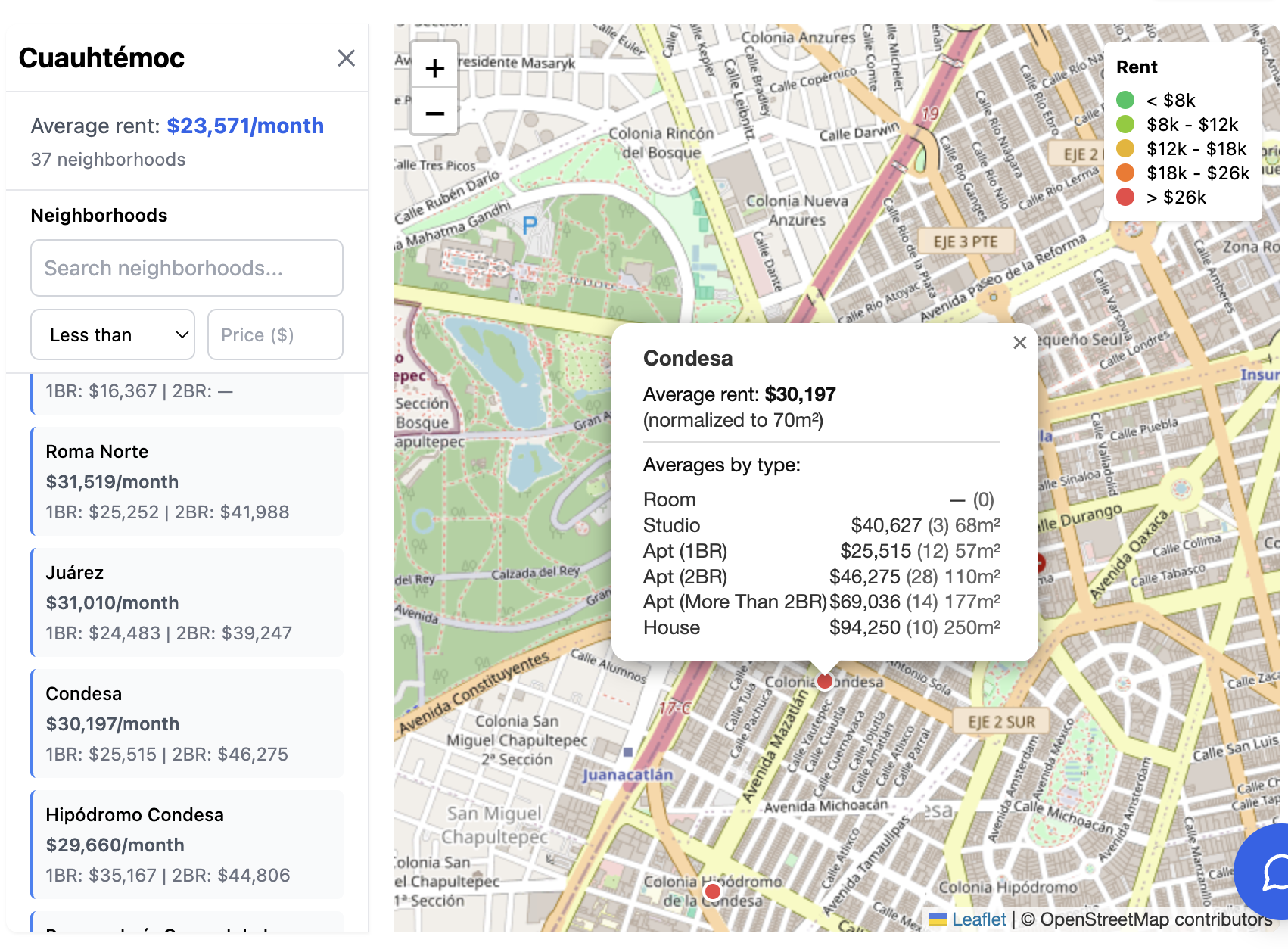
Let's talk numbers, but keep in mind that Mexico is huge and rental markets vary wildly. You have three distinct markets: the major metros, the beach resorts, and the interior colonial cities. In the capital, Mexico City, location is everything. You can pay New York prices in one zip code and modest rates ten minutes away. For example, Condesa is incredibly trendy and priced accordingly. Check Condesa rent trends if you want to be in the heart of the action. But if you go just a bit south to Narvarte, you get more space for your peso. Compare Narvarte rents.
Then you have the beach towns. Places like Tulum or Playa del Carmen operate on a different logic, often pegged to the US dollar. In high season, short-term rentals cannibalize the long-term market, driving prices up. Finding a 12-month lease in Tulum can be a nightmare because landlords prefer the Airbnb turnover. See Tulum rental market. If you are looking at Puerto Vallarta, the "Romantic Zone" commands a premium, whereas moving inland to neighborhoods like Fluvial drops the price significantly. View PV rent prices.
The interior offers the best value, but the secret is out. Cities like Mérida have seen massive influxes of foreigners. Rents in the north of Mérida—the fancy part—have nearly doubled in five years, though they are still cheap compared to the US. Explore Mérida rent prices. Meanwhile, spots like Querétaro offer a modern, high standard of living for a fraction of CDMX costs. View Querétaro rental data. You get amenities like pools and gyms in regular apartment complexes there, which is rare in the capital.
- In beach towns, always ask if the rent changes during 'temporada alta' (high season); secure a fixed 12-month rate in writing.
- Mexico City apartments often charge a separate maintenance fee ('mantenimiento'); always ask if the listed price includes it.
- Interior cities like Aguascalientes or San Luis Potosí offer the most authentic price-to-quality ratio right now.
- Dollar-priced leases are common in tourist zones, but push for a Peso contract to protect yourself from exchange rate fluctuations.
- Newer developments in cities like Guadalajara are starting to include 'amenities fees' similar to US luxury buildings.
Avg Rent % Income (CDMX)
30-50%
Beach Town Seasonality Markup
+40%
The 'Unfurnished' Shock: What You Actually Get
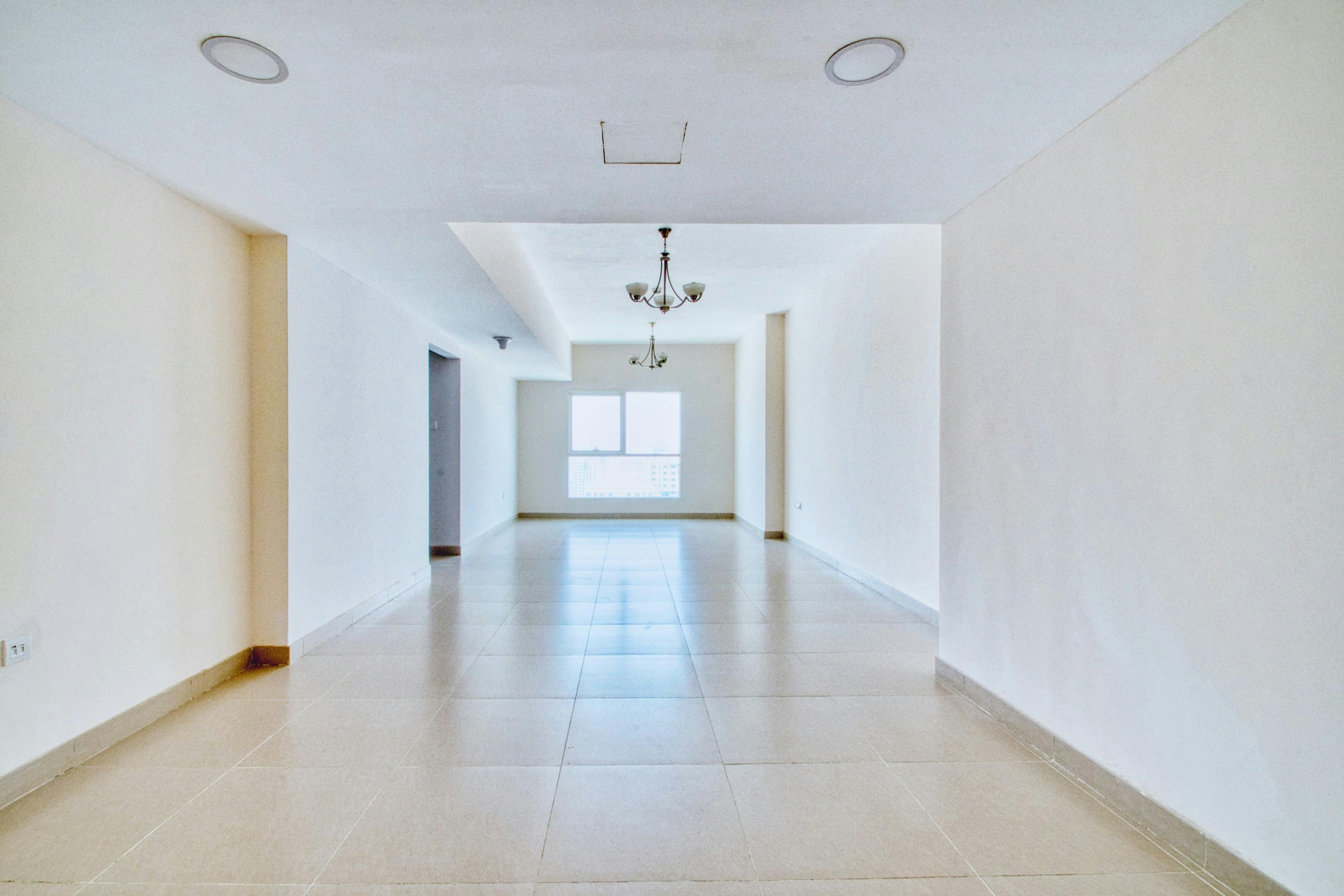
This is the part that catches everyone off guard. In the US, "unfurnished" means the place is empty but has a stove, a fridge, and maybe a dishwasher. In Mexico, "sin amueblar" (unfurnished) means bare bones. I mean bare. We are talking about no refrigerator, no stove, sometimes no light fixtures—just wires hanging from the ceiling. I've walked into apartments where there weren't even toilet seats. It is not because the landlord is cheap; it is just the custom here. People tend to own their appliances and move them from house to house.
However, the market is shifting slightly in expat-heavy areas. In neighborhoods like Roma Norte in Mexico City, landlords are realizing foreigners don't travel with refrigerators. Check Roma Norte rental prices. So now you see "semi-furnished" or equipped kitchens more often. But generally, if you see a price that looks too good to be true, ask about the appliances. Buying a full suite of appliances will set you back 20,000 to 40,000 pesos upfront. You need to factor that into your first year's budget.
On the flip side, "furnished" (amueblado) rentals are turnkey. They come with spoons, towels, sheets, everything. But you pay a premium for that convenience—usually 20% to 30% more than an empty unit. Plus, you are stuck with the landlord's taste in décor, which can range from 'modern minimalist' to 'grandma's 1980s explosion.' If you plan to stay for more than a year, I almost always recommend renting unfurnished and buying your own stuff. You will recoup the cost in savings within 10 months.
- Check for 'closets'—in many older Mexican homes, bedrooms are just four walls and you must buy your own wardrobes (roperos).
- Ask about water pressure and hot water heaters (boilers); some cheap rentals use instant electric heads that are terrifying.
- If renting furnished, photograph every single item during the walkthrough to avoid deposit disputes later.
- Semi-furnished usually means stove and fridge are included, but no furniture; clarify this definition with every agent.
- In hot climates like Mérida, verify if 'unfurnished' includes air conditioning units, as installing them yourself is expensive and invasive.
The Aval and the Póliza Jurídica: Jumping the Legal Hoops
If you take one thing away from this guide, let it be this: Landlords in Mexico are terrified of tenants who don't pay. The laws here heavily favor the tenant, and evicting a squatter can take years. Literally years. Because of this fear, landlords traditionally demand an Aval. This is a co-signer who owns debt-free property in the same city. If you are a foreigner, you almost certainly do not know someone with a paid-off house in Guadalajara who is willing to risk it for you. View Guadalajara rental market.
So, what do you do? Ten years ago, you were out of luck. Today, we have the Póliza Jurídica. This is a legal insurance policy that you, the tenant, pay for. It costs between 30% to 50% of one month's rent. A law firm vets you, checks your income, and issues a contract that makes it easier for the landlord to evict you if you default. It sounds harsh, but it is your golden ticket. It replaces the need for an Aval. If a landlord says "Aval only," ask them if they will accept a Póliza Jurídica instead. 80% of the time, they will say yes if you seem reliable.
Be prepared to prove your solvency. They will want to see three months of bank statements. If your income is from abroad (like a remote job), they might ask for them to be translated, though most agents in places like Monterrey or CDMX can read English statements fine. Check Monterrey rent prices. Sometimes, if you can't provide a Póliza or an Aval, the landlord might ask for a double deposit or even 6 months of rent upfront. I usually advise against paying 6 months upfront unless you are 100% sure the landlord is legitimate.
- The 'Póliza Jurídica' is non-refundable; it is a fee, not a deposit.
- Some policies cover legal fees for the landlord, others cover unpaid rent; know what you are paying for.
- If you don't have residency (temporary or permanent), some firms won't issue a policy; you might need a 'fiador' (guarantor) instead.
- Always get a receipt (factura) for the policy payment; it should go to a law firm, not the landlord's personal account.
- Negotiate the cost of the Póliza; sometimes the landlord will split it 50/50 if they really want you.
Cost of Póliza Jurídica
30-50% of 1 month rent
Standard Deposit
1 month rent
Create a free account to unlock this guide
Create a complimentary PropTrenz account to unlock premium due diligence guides.
Get Started
Create Account
Already Have Account