What Exactly is Ejido Land?
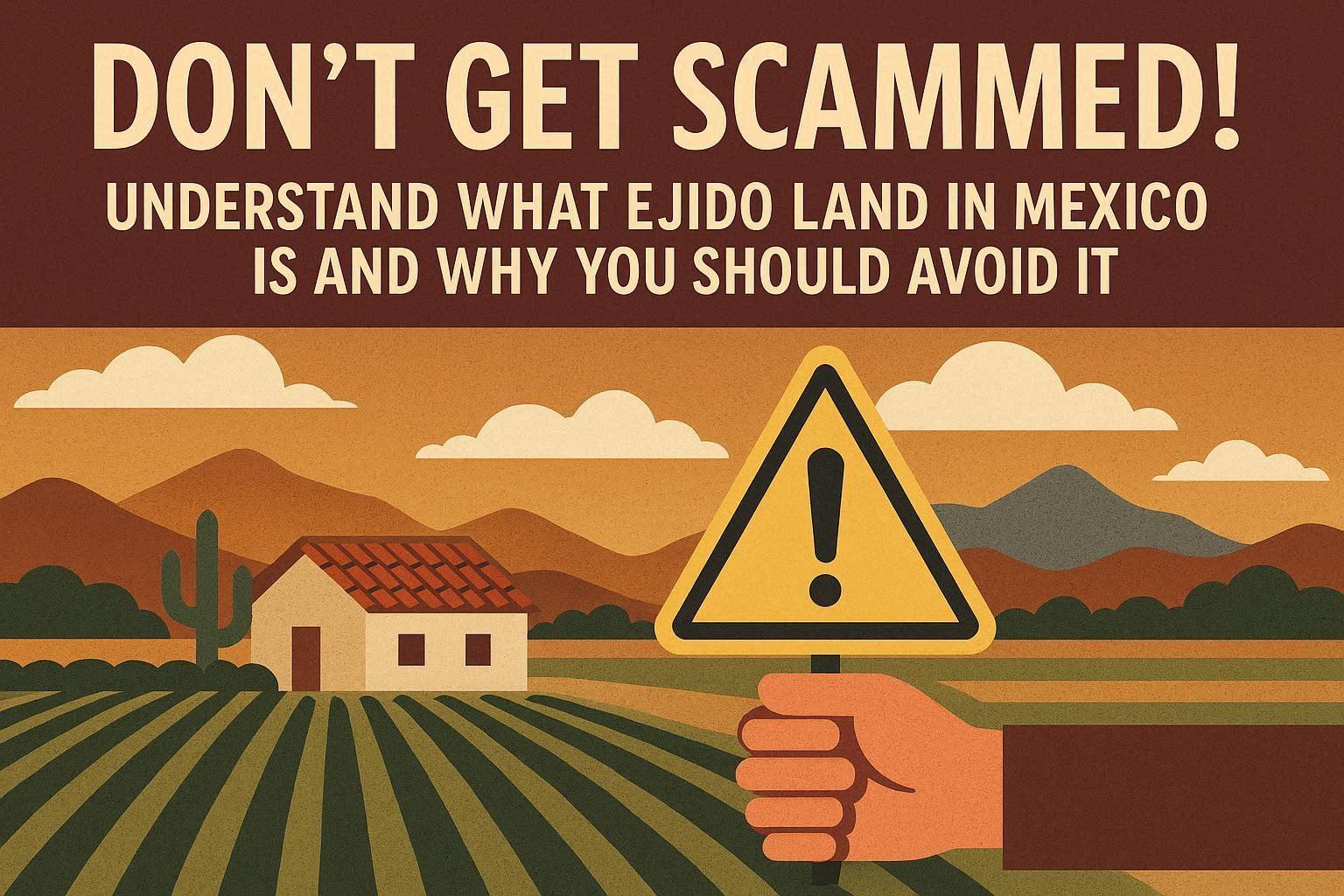
Ejido land refers to a type of communal land ownership in Mexico. It’s quite unique and comes with its own set of rules. Originally, this system was established after the Mexican Revolution in the early 20th century to distribute land to those who needed it.
But here's the kicker: Ejido land isn't owned outright by individuals in the way you might think. Instead, it’s owned collectively by a community, which is why it can be a bit tricky to understand. You might be wondering, how does this affect buying property in those areas? Well, it complicates things a bit.
In practical terms, if you’re looking to invest in ejido land, you can't just buy it like a regular property. The land is meant for agricultural use primarily, and it can’t be sold or mortgaged without going through a complicated process. Trust me, if you’re considering this route, you'd want to know the ins and outs.
- Ejido land was created to promote land reform and support poor farmers.
- It’s primarily used for agricultural purposes but has expanded into residential use in some areas.
- Communal decisions about land use are made by the Ejido assembly, reflecting the community's interests.
The Legal Framework of Ejido Land
Now, let’s dig deeper into the legal side of things. The Mexican Constitution and the Agrarian Law set the rules for ejidos. Under these laws, ejido members are granted the right to use and farm the land, but they can't sell it.
What I've noticed is that many people misunderstand this. They think they can just purchase the land and have free reign, but that's not the case. It's like trying to navigate a maze without a map. I know from experience that buyers often underestimate the legal complexities involved.
There’s a process for converting ejido land into private land, but it’s not a walk in the park. You’ll need to go through several legal steps and approvals, which can be time-consuming and frustrating. If you’re not prepared, you can end up in a bit of a bind.
- The Mexican Constitution provides that ejido land is for communal use only.
- Members of the ejido have rights to use the land but not to sell it freely.
- Converting ejido land to private property involves legal approval and can be a lengthy process.
How to Obtain Ejido Land Rights
If you’re really interested in getting involved with ejido land, here’s where it gets interesting. First, you’ll need to become a member of the local ejido. This usually requires you to be a resident or have ties to the community. So, it’s not just about money; it’s also about relationships.
Once you’re in, you can use the land for agricultural purposes, but if you want to build or develop, you’ll have to get permission from the ejido assembly. I've seen this process vary widely between communities; some are more open than others.
Here’s the thing though: many ejidos are becoming more open to development as tourism rises. If you're savvy, you can leverage that trend to your advantage, but you need to tread carefully and respect local customs.
- Joining an ejido requires local residency or community ties.
- You must obtain approval from the ejido assembly for any developments.
- Networking with local members can significantly ease the process of gaining land rights.
Challenges of Ejido Land Ownership
Now, let’s talk about some of the challenges you might face. One major issue is the risk of disputes. Since ejido land is communally owned, conflicts can arise over usage rights or decisions made by the assembly. I’ve seen families torn apart because of disagreements regarding land use.
Another challenge is the inability to secure loans against ejido land. Banks typically won’t provide financing for properties without clear title, and this can limit your investment options significantly. From my experience, this is a huge hurdle for many potential buyers.
Lastly, there’s the bureaucratic red tape. Dealing with government offices can be a frustrating experience. Patience is key, and having someone knowledgeable about local regulations can really help smooth the process.
- Disputes over land use can lead to family and community tensions.
- Securing loans against ejido land is often impossible due to lack of clear title.
- Bureaucratic processes can be complex and time-consuming.
Benefits of Investing in Ejido Land
Despite the challenges, there are some real benefits to consider. For one, ejido land can be significantly cheaper than private land. If you’re on a tight budget, this might be an attractive option.
Additionally, as tourism grows, so does the potential for development. Some ejidos are starting to embrace eco-tourism, which can lead to lucrative opportunities. If you’ve got a business mindset, you can turn these challenges into chances.
Finally, being part of a community can be rewarding in itself. You’ll find that the sense of belonging and the relationships you build can enrich your life in ways that money can’t buy.
- Ejido land often offers lower prices compared to private property.
- Growing tourism can lead to new development opportunities in ejido areas.
- Community relationships can enhance your living experience and investment potential.
Create a free account to unlock this guide
Create a complimentary PropTrenz account to unlock premium due diligence guides.
Get Started
Create Account
Already Have Account