Why Mexico is a Foodie's Dream: It's More Than Just Tacos
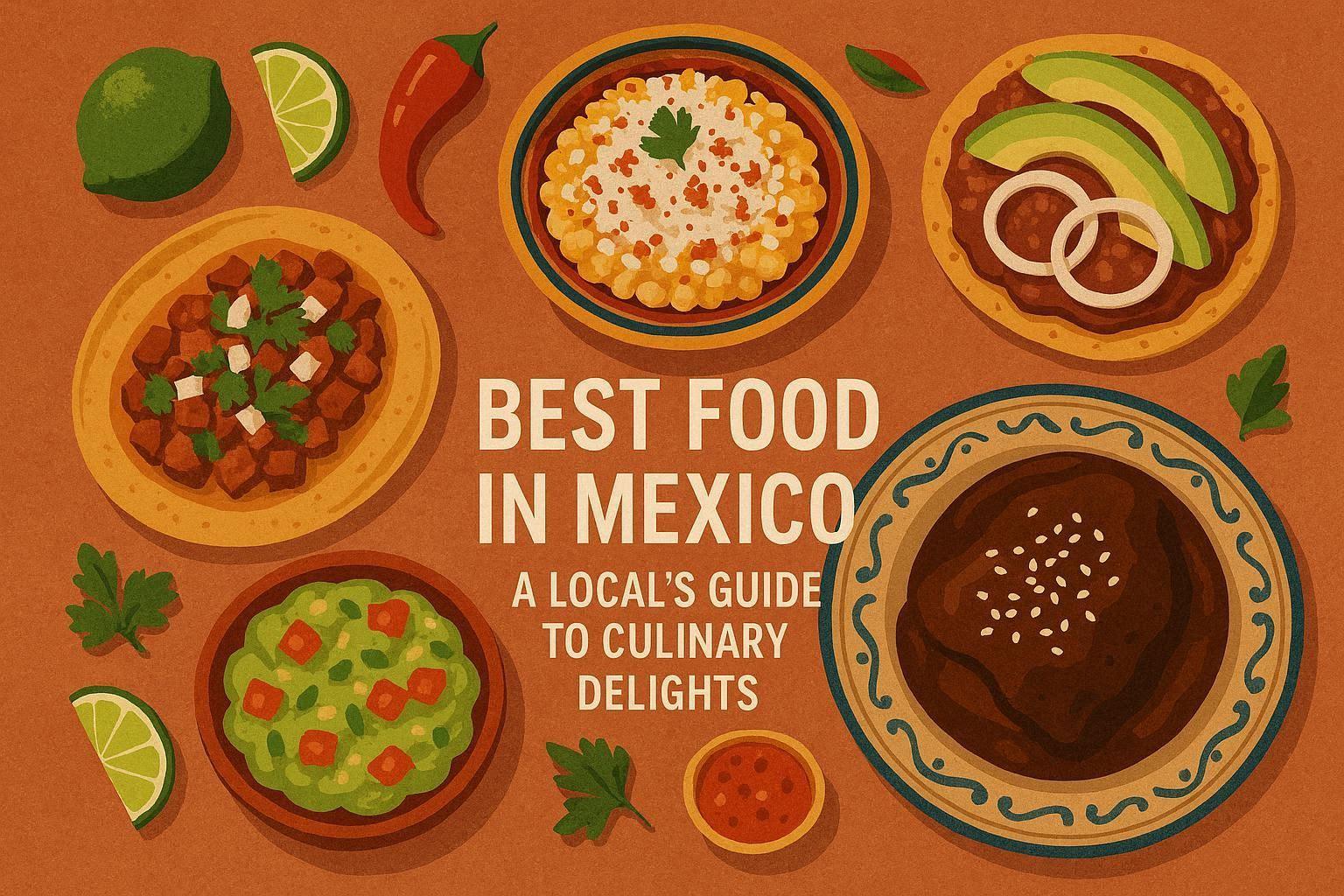
Look, when people think of Mexican food, they often picture tacos, and while I love a good taco (who doesn't?), Mexican cuisine is SO much more diverse than that! It's regional, it's historical, and it's constantly evolving.
I've traveled all over this country, and I've tasted everything from escamoles (ant larvae – surprisingly delicious!) to complex moles that take days to prepare. You'll find influences from indigenous cultures, Spanish colonizers, and even French and Lebanese immigrants.
The thing is, each region has its own specialties. What's considered 'typical' in Oaxaca is totally different from what you'd find in the Yucatan. That's what makes exploring Mexican food so exciting; there's always something new to discover! And trust me, you're tastebuds will thank you for it.
- Mexican cuisine is a UNESCO Intangible Cultural Heritage of Humanity.
- Ingredients vary greatly depending on the region, influenced by climate and indigenous traditions.
- Street food is a vital part of Mexican culinary culture – don't be afraid to try it!
- Many dishes are based on ancient recipes passed down through generations.
- The use of fresh, local ingredients is paramount to authentic Mexican flavor.
Oaxaca: A Mole Mecca and Culinary Powerhouse – My Personal Favorite
Oaxaca, for me, is the undisputed champion. It's a state that takes its food seriously. I mean, seriously seriously. You can't walk two blocks without stumbling across a family-run restaurant serving up some incredible dish you've never even heard of.
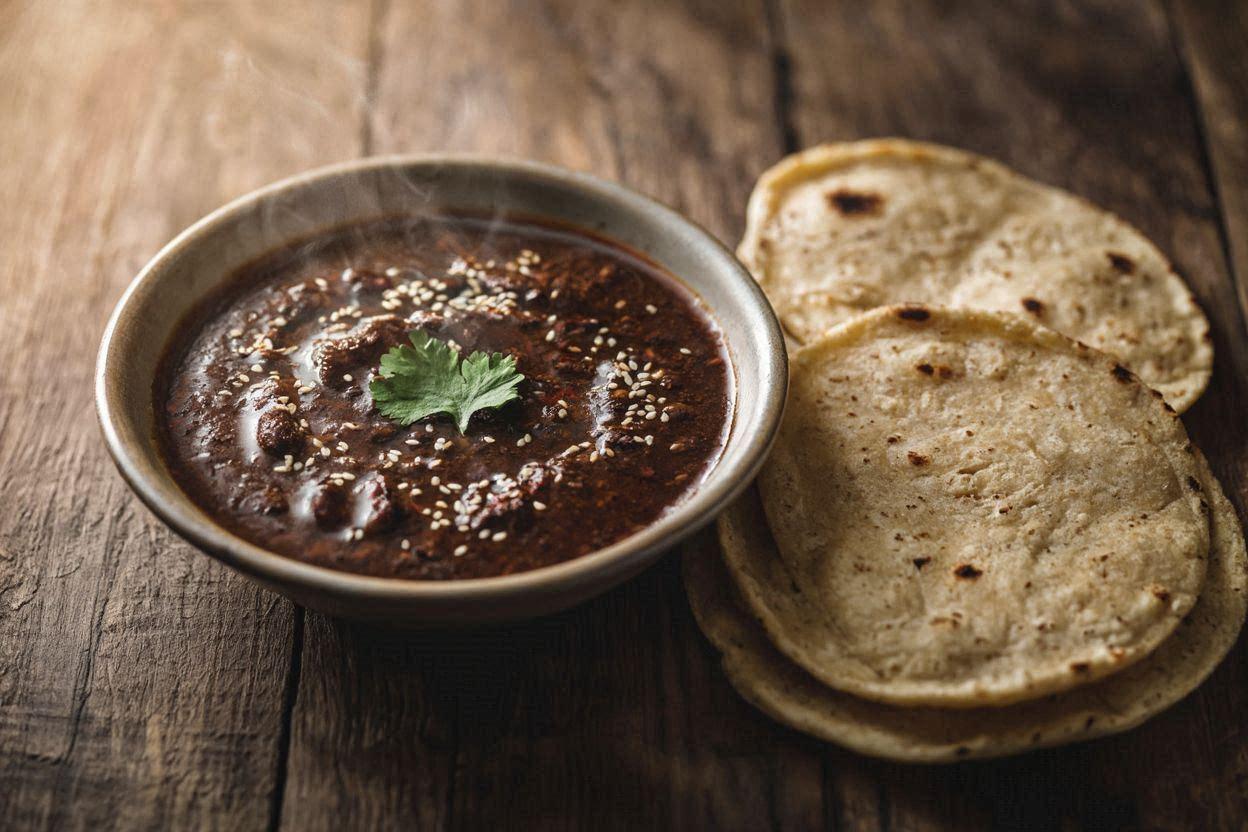
Now, when it comes to mole, Oaxaca is king. They have seven distinct types of mole, each with its own unique flavor profile. From the rich and smoky negro to the sweet and fruity coloradito, there's a mole for every palate. And I'm not just talking about restaurants; even the street food vendors sell amazing mole dishes.
But Oaxaca's not just about mole; it's also known for its tlayudas (giant, crispy tortillas topped with beans, cheese, and your choice of meat), chapulines (grasshoppers – another must-try!), and mezcal (Oaxaca's signature spirit). The food here is hearty, flavorful, and deeply rooted in tradition. The quality of life here is amazing, and that reflects in the food.
- Seven distinct types of mole are found in Oaxaca, each with unique ingredients and preparation methods.
- Tlayudas are a popular street food: large, crispy tortillas topped with various ingredients.
- Chapulines (grasshoppers) are a traditional Oaxacan snack, often seasoned with chili and lime.
- Mezcal production is a significant part of Oaxacan culture and economy.
- Oaxacan cuisine emphasizes the use of local, seasonal ingredients.
Puebla: Where Poblano Peppers Reign Supreme – Chiles en Nogada Perfection
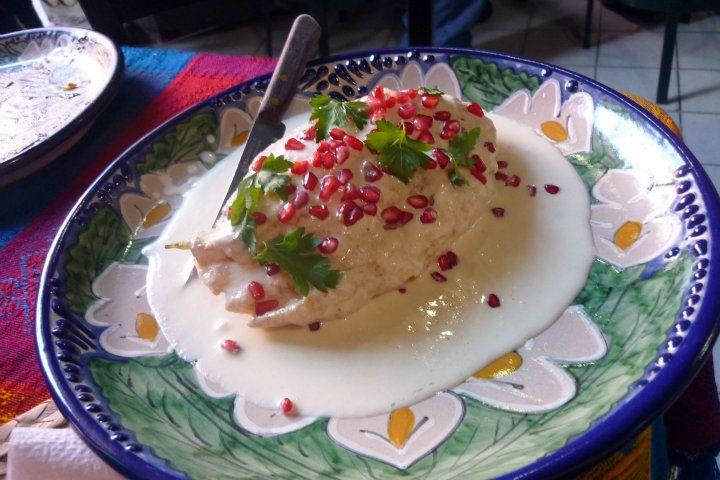
Puebla is another city that's absolutely worth a visit for any serious foodie. It's known for its baroque architecture, its beautiful talavera pottery, and, of course, its chiles en nogada.
Chiles en nogada is a dish that embodies the spirit of Puebla. It's a poblano pepper stuffed with a mixture of fruits and meats, covered in a creamy walnut sauce, and garnished with pomegranate seeds. It's usually available around September during independence celebrations, and it's an absolute must-try.
But Puebla has more to offer than just chiles en nogada. You can't miss the mole poblano, which is different from the Oaxacan moles. It's richer, sweeter, and uses chocolate. And let's not forget the cemitas, which are like massive, overstuffed sandwiches on sesame-seed rolls. What I've noticed is that while not cheap, food prices are consistent with the quality, and you'll feel like you got your money's worth.
- Chiles en nogada is a seasonal dish typically available in August and September.
- Mole poblano is a rich, chocolate-infused sauce originating from Puebla.
- Cemitas are large, overstuffed sandwiches served on sesame-seed rolls.
- Puebla is known for its talavera pottery, often used to serve traditional dishes.
- The city's baroque architecture adds to the overall cultural experience.
Average cost of Chiles en Nogada (seasonal)
250-400 MXN
Average cost of Mole Poblano entree
150-300 MXN
Mexico City: A Cosmopolitan Culinary Melting Pot – From Street Food to Fine Dining
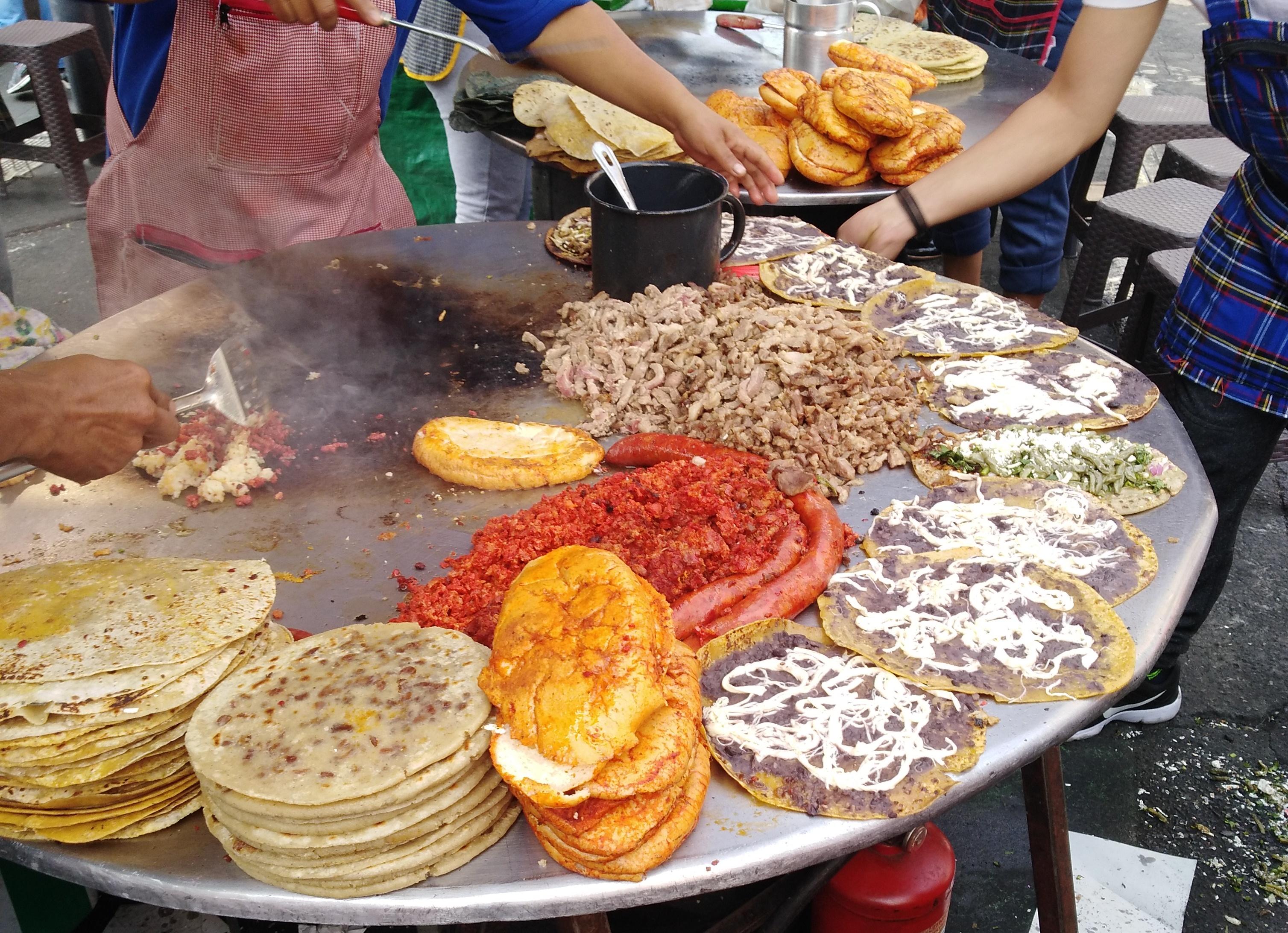
Mexico City, the capital, is a different beast altogether. It's a massive, sprawling metropolis with a culinary scene that reflects its size and diversity. You can find everything here, from the most humble street tacos to Michelin-starred restaurants.
What I love about Mexico City is that it's constantly pushing boundaries. Chefs are experimenting with new techniques and ingredients while still honoring traditional flavors. You might find a taco stand serving up innovative fillings or a high-end restaurant reimagining classic dishes.
Now, street food in Mexico City is an institution. You've got to try the tacos al pastor (marinated pork cooked on a vertical spit), the esquites (corn kernels with mayonnaise, cheese, and chili powder), and the elotes (grilled corn on the cob). And don't be afraid to venture into the mercados (markets); they're a treasure trove of culinary delights. But here's the thing: prices can vary wildly. You'll find cheap eats, but you'll also find restaurants that cost as much as anywhere in the world.
- Mexico City boasts a diverse culinary scene, from street food to fine dining.
- Tacos al pastor are a must-try street food: marinated pork cooked on a vertical spit.
- Esquites and elotes are popular corn-based snacks, often seasoned with chili and lime.
- Mercados (markets) offer a wide variety of local ingredients and prepared dishes.
- The city's culinary scene is constantly evolving, with chefs experimenting with new techniques.
Average cost of Tacos al Pastor (per taco)
15-25 MXN
Average cost of Fine Dining Meal (per person)
800-2000+ MXN
Yucatan: A Taste of the Mayan World – Cochinita Pibil and More
The Yucatan Peninsula offers a completely different culinary experience. It's a region steeped in Mayan history and culture, and its food reflects that. You'll find dishes that are unlike anything else in Mexico.
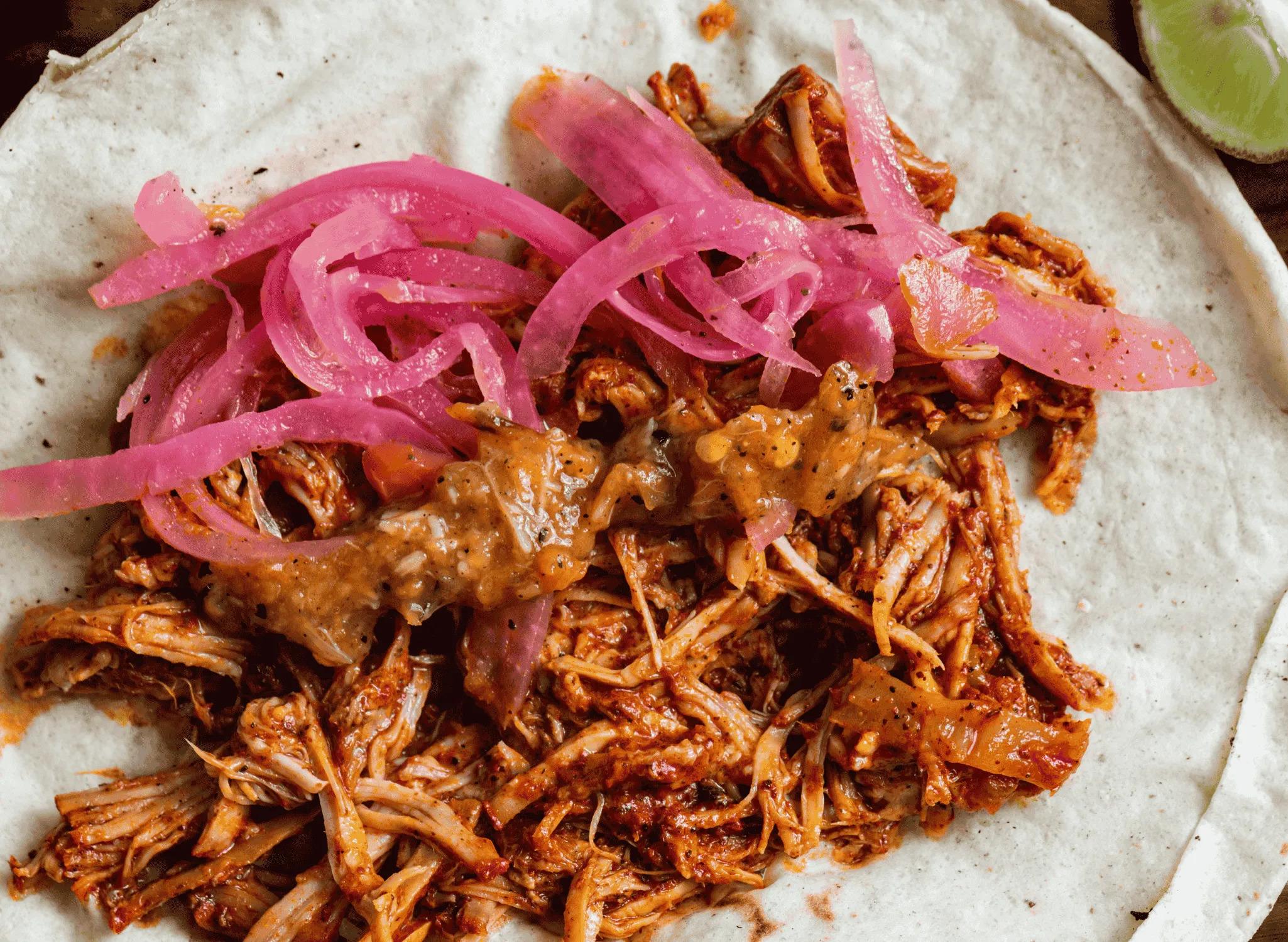
Cochinita pibil is the star of Yucatecan cuisine. It's slow-roasted pork marinated in achiote paste, which gives it a vibrant red color and a unique flavor. It's traditionally cooked in a pit oven, which imparts a smoky aroma. Trust me, you haven't lived until you've tried cochinita pibil.
But the Yucatan has more to offer than just cochinita pibil. You should also try sopa de lima (lime soup), papadzules (egg tacos in pumpkin seed sauce), and marquesitas (crispy crepes filled with cheese and cajeta – a type of caramel). And don't forget the habanero peppers; they're a staple of Yucatecan cuisine! I always tell clients that the lifestyle here is very relaxed, and you can experience some of the world's best beaches, and that makes up for slightly higher food prices.
- Cochinita pibil is slow-roasted pork marinated in achiote paste.
- Sopa de lima is a refreshing lime soup, often served with shredded chicken or turkey.
- Papadzules are egg tacos in pumpkin seed sauce, a traditional Mayan dish.
- Marquesitas are crispy crepes filled with cheese and cajeta (caramel).
- Habanero peppers are a staple of Yucatecan cuisine, adding heat and flavor.
Average cost of Cochinita Pibil (per plate)
120-250 MXN
Average cost of Sopa de Lima (per bowl)
80-150 MXN
Create a free account to unlock this guide
Create a complimentary PropTrenz account to unlock premium due diligence guides.
Get Started
Create Account
Already Have Account