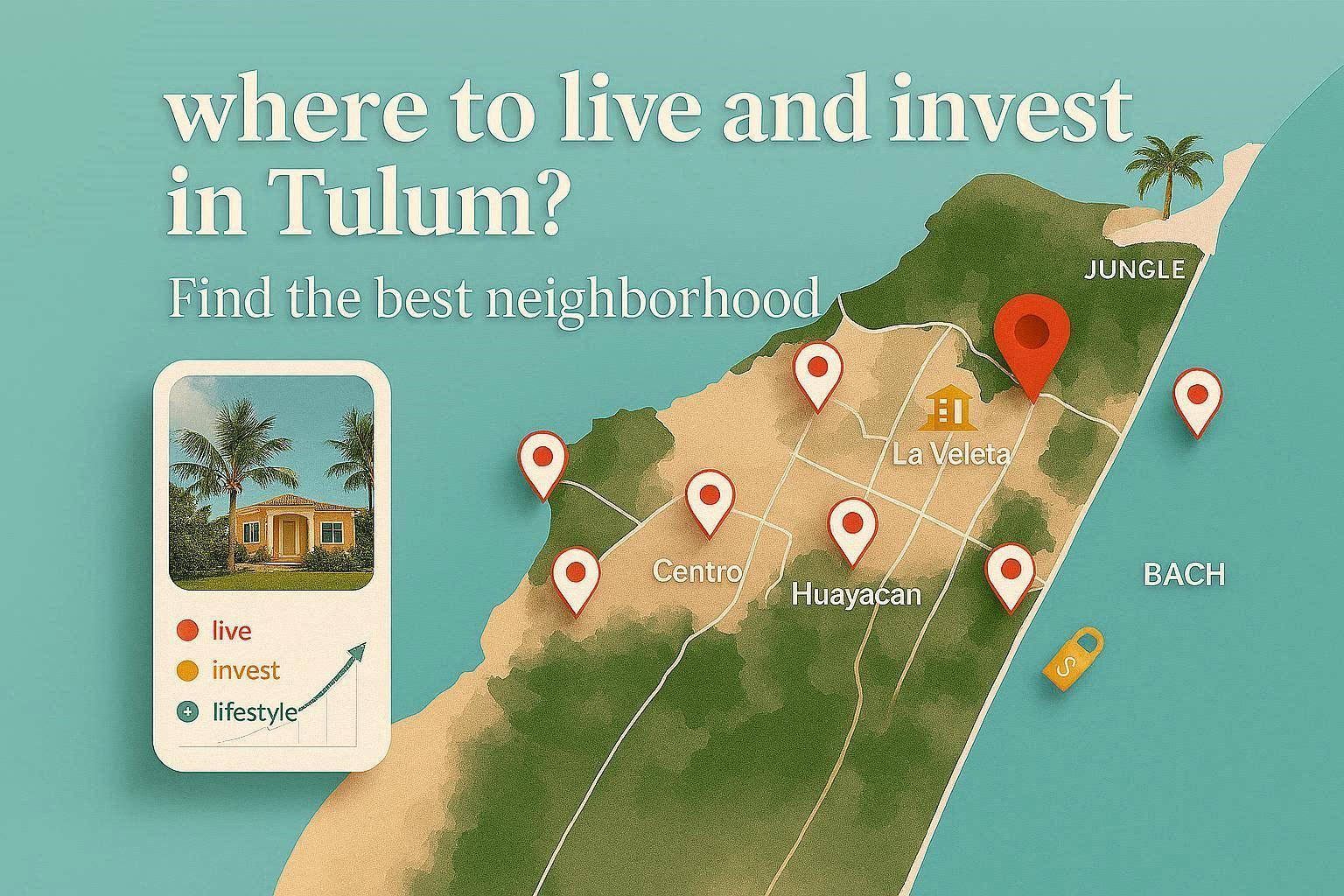
Tulum Has Changed (Again): What You Need to Know for 2026
If you visited Tulum five years ago and think you know the market, I have to stop you right there. Throw that mental map out the window. The Tulum of 2020 is gone, and the Tulum of 2026 is a completely different beast. I've been watching dirt roads turn into boulevards and jungle lots turn into boutique hotels overnight. It’s been wild, messy, and incredibly profitable for the people who timed it right.
Here is the reality on the ground today. The opening of the Felipe Carrillo Puerto International Airport (TQO) and the Tren Maya station didn't just bring more tourists; it fundamentally shifted where people want to be. Traffic patterns changed. Rental demand shifted. Areas that were considered "too far" are now prime real estate because they are closer to the new infrastructure.
You aren't just buying a vacation home anymore; you are buying into a maturing city. That means you can't just throw a dart at a map and expect 20% appreciation. You have to be surgical. I see investors make the same mistake every week: they buy based on 2019 advice. They buy in areas that are already saturated, or they buy cheap lots in the middle of nowhere thinking the city will reach them next year. It won't.
In this guide, I'm going to walk you through the neighborhoods that actually matter right now. I'll tell you where I'm putting my own money and, more importantly, where I tell my friends to stay away from. We are going to look at the numbers, the lifestyle, and the honest pros and cons of each zone.
- The new airport (TQO) is handling over 1 million passengers annually, drastically increasing demand for areas with easy highway access.
- Jaguar Park (Parque del Jaguar) has permanently protected large swathes of land, creating scarcity for properties bordering the reserve.
- The completion of Avenida Kukulkan has shifted beach access, making Region 15 significantly more valuable than it was three years ago.
- Utility infrastructure (water, sewage, electricity) varies wildly by neighborhood; never assume a property has grid access just because it's expensive.
- Saturation is real in the 'studio apartment' market; the smart money in 2026 is moving toward 2-bedroom units and single-family homes.
Aldea Zama: The Safe Bet That Still Pays Off
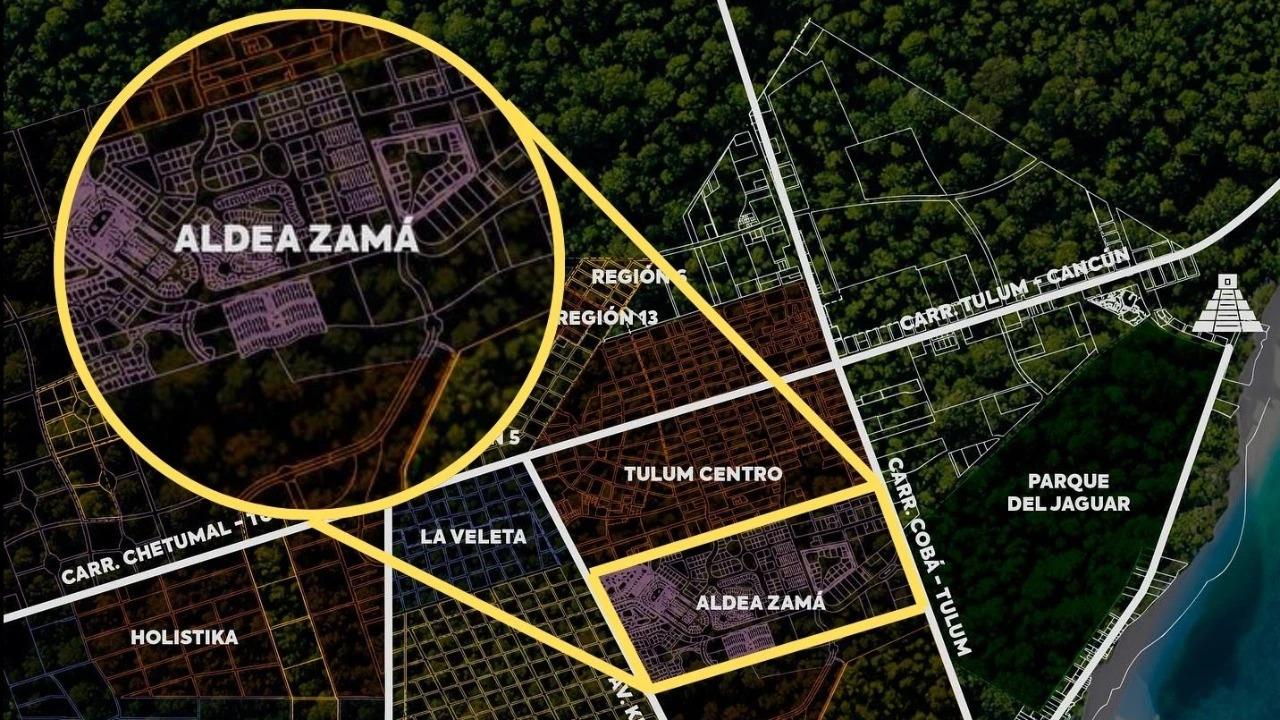
Let's start with the heavyweight champion. Aldea Zama is the closest thing Tulum has to a planned community, and for a lot of my clients, that is exactly what they need. If you are nervous about Mexico's sometimes chaotic infrastructure, this is your safety net. It's the only neighborhood in Tulum with underground utilities. That might sound boring until a tropical storm knocks out power for three days in the rest of town, but your lights stay on in Aldea Zama.
It feels different here. You have paved streets, sidewalks (a luxury in Tulum), and a commercial area that actually functions. It’s walkable. You can stroll to Rossina for breakfast or grab dinner at the commercial promenade without needing a taxi. Prices here are higher, naturally. You pay a premium for that certainty.
However, don't think it's stagnant. The area is expanding into "Selvazama," which is essentially Aldea Zama 2.0 but with a bigger focus on sustainability and luxury education centers like the Green School. Investing here is a capital preservation play. You likely won't see the explosive 30% yearly appreciation we saw years ago, but you also won't lose your shirt. It's the blue-chip stock of Tulum real estate.
Rentals here are consistent. Digital nomads and families love it because the internet works and the roads aren't flooded mud pits in October. If you want a headache-free investment where the property values are protected by strict building codes, this is it.
- Average price per square meter in Aldea Zama hovers between $3,500 and $4,500 USD depending on the finish level.
- Strict HOAs and construction guidelines prevent neighbors from building unsightly structures that devalue your property.
- Commercial rents in the pedestrian zone are some of the highest in town, attracting premium tenants like international restaurant groups.
- Selvazama expansion offers larger lots and is positioned as the ultra-luxury evolution, with prices starting higher than original Aldea Zama.
- Proximity to the beach is excellent; you are a 10-minute bike ride to the hotel zone via the Avenida Cobá bike path.
Risk Level
Low
Rental Type
Long-term & High-end Short-term
La Veleta: The BoHo-Chic Heart of Town
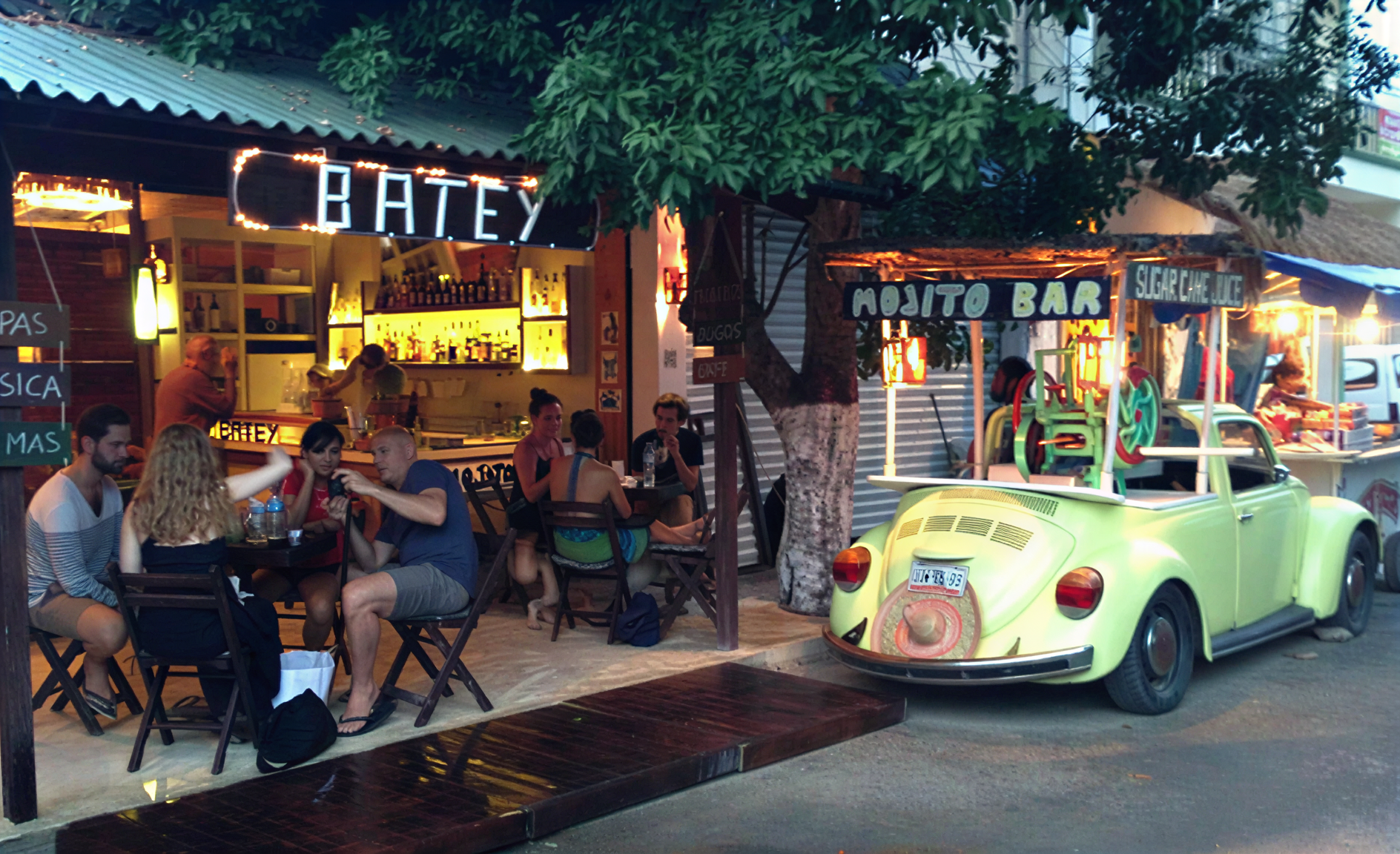
If Aldea Zama is Miami, La Veleta is Brooklyn. This is where the locals, the chefs, and the long-term expats actually live. It has a grit to it that I personally love, but you need to know what you're getting into. The infrastructure is a patchwork quilt. You might have a stunning $500,000 USD villa right next to a vacant lot full of jungle debris.
La Veleta has exploded in the last three years. It used to be 'up-and-coming,' but now it's fully arrived. This is where you find the coolest coffee shops, the yoga studios like Holistika, and the secret garden restaurants. The vibe is unbeatable. It feels like the jungle town people imagine when they think of Tulum.
But here is the catch: the roads. Oh man, the roads. While the municipality is slowly paving them, many streets in La Veleta are still dirt. In the dry season, it's dusty. In the rainy season, you're driving through puddles the size of small lakes. You need to verify if the street your potential property sits on is scheduled for paving.
Investment-wise, La Veleta offers better entry prices than Aldea Zama with very high rental occupancy. The 'cool factor' drives demand here. Tourists who want to feel like they are in the jungle but still want to be near the action book here. Just make sure you check the drainage situation before you sign anything.
- Home to 'Calle 7 Sur,' which has developed into a major culinary corridor rivaling the beach strip for quality dining.
- Prices generally run 15-20% lower than Aldea Zama, offering a better potential cap rate for short-term rentals.
- The connection to Avenida Kukulkan is vital; properties closer to the Kukulkan access have significantly higher value due to beach access.
- Noise can be an issue; with construction happening on almost every block, ask about neighboring lot status before buying.
- Internet fiber optic coverage is good in 90% of La Veleta, making it the top choice for remote workers.
Region 15: The Growth Engine
This is my top pick for growth in 2026. Region 15 sits right next to La Veleta, but for a long time, it was the neglected younger sibling. That changed the moment Avenida Kukulkan opened up a second access road to the beach. Suddenly, Region 15 became the strategic sweet spot.
You have to understand the geography to get why this matters. Before Kukulkan, everyone had to funnel through one road (Avenida Cobá) to get to the beach. It was a nightmare. Now, if you live in Region 15, you can zip down Kukulkan and be at the beach in minutes, bypassing the downtown traffic entirely. That convenience is worth its weight in gold.
This area is still developing, which means you can find pre-sale opportunities that actually make sense. Developers are building high-end, eco-chic condos here that rival anything in Aldea Zama but at a lower price point. It's greener here, too. The density rules often require leaving more trees standing, so it feels less like a concrete jungle.
The risk here is construction noise and lack of immediate services. You might have to walk a few blocks to get a coffee, unlike in La Veleta where it's next door. But if you are holding for 3-5 years, the capital appreciation potential in Region 15 is arguably the best in town right now.
- Property values in Region 15 have seen steady double-digit growth since the Kukulkan road opening.
- Look for properties near the 'Manzana' blocks bordering La Veleta for the best mix of quiet living and restaurant access.
- Many developments here operate on septic systems and wells; ensure your developer is using advanced water treatment plants, not cheap septic tanks.
- This is the epicenter of 'Jungle Luxury' architecture—expect polished concrete, chukum finishes, and local wood.
- Electricity fluctuations happen; a backup generator is a non-negotiable feature for any luxury condo building here.
Appreciation Potential
High
Beach Access
Direct via Kukulkan
Create a free account to unlock this guide
Create a complimentary PropTrenz account to unlock premium due diligence guides.
Get Started
Create Account
Already Have Account