The Silicon Valley of Mexico is Waking Up
I've been in the Mexico real estate game for a long time, and I've watched the Guadalajara market shift right under my feet. Ten years ago, everyone wanted a retirement home in Lake Chapala. Today? I'm fielding calls from tech executives from California and Austin who need a condo in the city center. This isn't a sleepy colonial town anymore.
Guadalajara has become the tech hub of Latin America. We call it the Silicon Valley of Mexico for a reason. You have Oracle, Intel, and HP here. That means jobs. High-paying jobs. And those engineers need places to live. View Guadalajara market data shows exactly how this influx is pushing property values up.
But here's the thing most foreigners get wrong. They treat Guadalajara like a beach town. They look for "vacation vibes." That's a mistake. This is a working city. The investment play here isn't seasonal tourists; it's year-round corporate rentals and digital nomads.
If you buy in the wrong street, you'll be sitting on an empty unit for months. I've seen it happen. You need to know exactly which zones are hot and which ones just look nice on Instagram.
- The metro area is actually split into multiple municipalities; taxes and regulations differ between Guadalajara and Zapopan.
- Traffic is a major factor in rental desirability; tenants will pay a premium to live within 15 minutes of their office.
- Pre-construction (preventa) discounts in the city typically range from 10% to 25% depending on the construction phase.
- The rainy season (June to September) reveals drainage issues; always inspect a property's history for flooding.
- Fiber-optic internet availability varies by street, which is a make or break factor for the remote-work demographic.
1. Colonia Americana: The Hipster ROI King
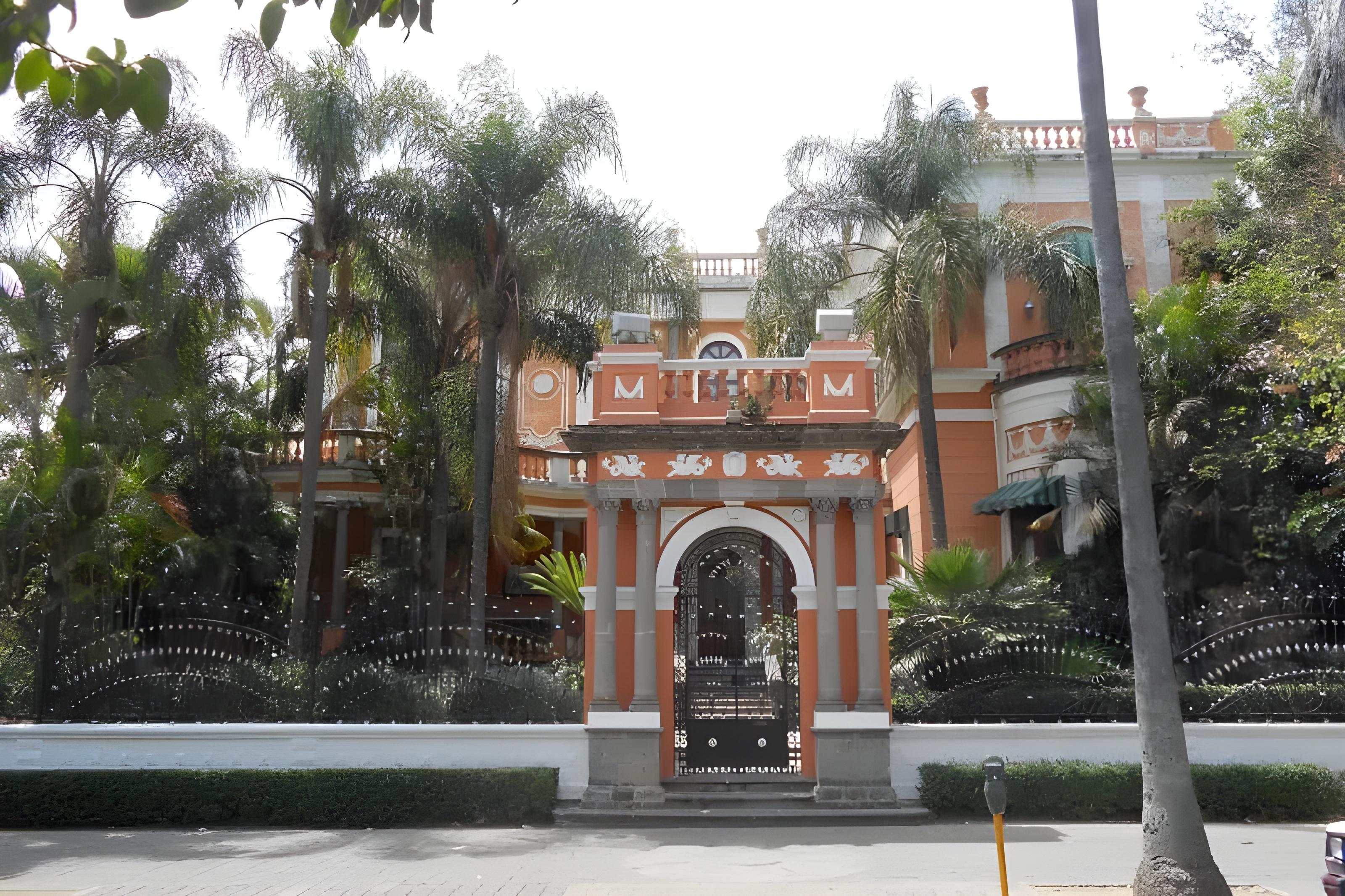
Let's start with the heavy hitter. Time Out magazine named Colonia Americana the "coolest neighborhood in the world" a while back. I thought that was a bit of a stretch, but looking at the rental numbers, I can't argue with the demand. Check Americana prices to see what I mean about the price per square meter.
This area is chaos, but in a good way. You have 100-year-old French-style mansions sitting next to 1970s brutalist apartments and brand new glass towers. It's walkable, it's loud, and it's absolutely packed with digital nomads. If you want a short-term rental strategy (Airbnb), this is your spot. Period.
The neighboring zone, Lafayette, is basically an extension of this vibe. It is often slightly pricier but quieter. Tenants here want to walk to coffee shops on Libertad street. If your property doesn't have a balcony or a terrace here, you're leaving money on the table.
- Noise pollution is a serious complaint here; double-pane windows are a mandatory upgrade for high-end rentals.
- Parking is a nightmare in Americana; a unit with a deeded parking spot commands 15-20% higher rent.
- Many older buildings here have heritage protection (INAH), which strictly limits renovation options.
- Occupancy rates for well-managed Airbnbs in this zone hover around 80% year-round.
- Look for 'mixed-use' zoning if you plan to convert a ground floor into a commercial space.
Avg Price/m2 (New)
$55,000 - $70,000 MXN
Rental Yield (Gross)
8% - 11%
2. Providencia: The Safe, Blue-Chip Investment
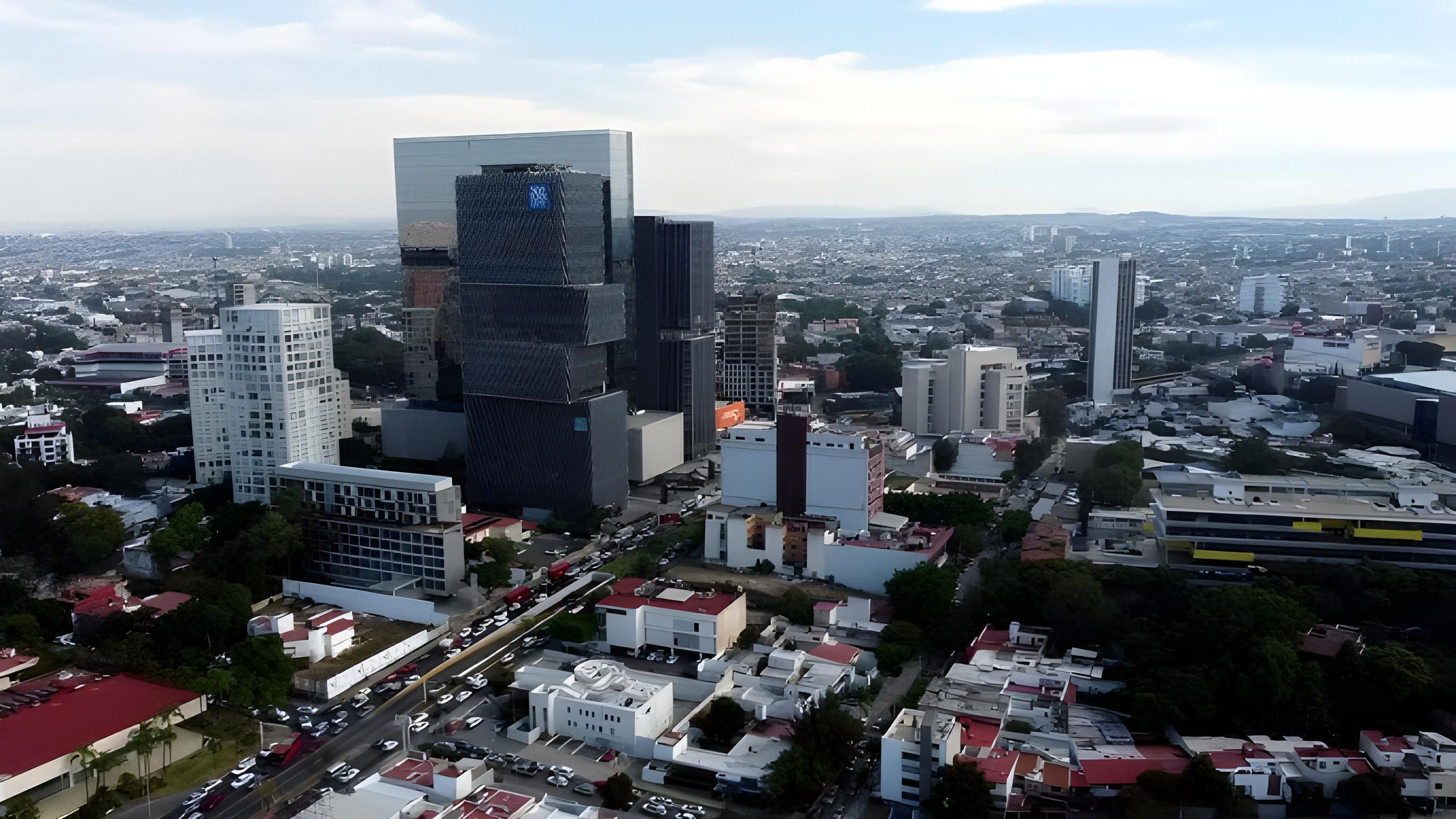
If Americana is the guy with the tattoos and the craft beer, Providencia is the guy in the suit with the diversified portfolio. This is old money. It's safe, it's leafy, and it's incredibly stable. View Providencia prices shows a much steadier appreciation curve compared to the volatile trendy spots.
I point families and conservative investors here. You aren't going to get the crazy overnight appreciation of a gentrifying neighborhood, but you also won't have vacancies. The rental market here is driven by local executives and families who want to be near the financial district but have a park to walk the dog.
The area is divided into sections (1a, 2a, 3a, 4a). The closer you are to the Punto Sao Paulo financial area, the better for corporate rentals. 1a tends to be the most commercial, while the 4th section is purely residential. Know the difference before you bid.
- Strict zoning laws in Providencia often prevent vertical construction in certain streets, preserving views and value.
- This area has some of the best private schools in the city, making 3-bedroom units highly liquid.
- Security fees in the newer condo towers here can be high ($5,000+ MXN monthly), eating into net yield.
- The 'Punto Sao Paulo' corridor is the prime target for corporate relocation contracts.
- Unlike Americana, short-term rentals are often frowned upon or banned by HOAs here; stick to annual leases.
3. Puerta de Hierro: The 'Andares' Lifestyle
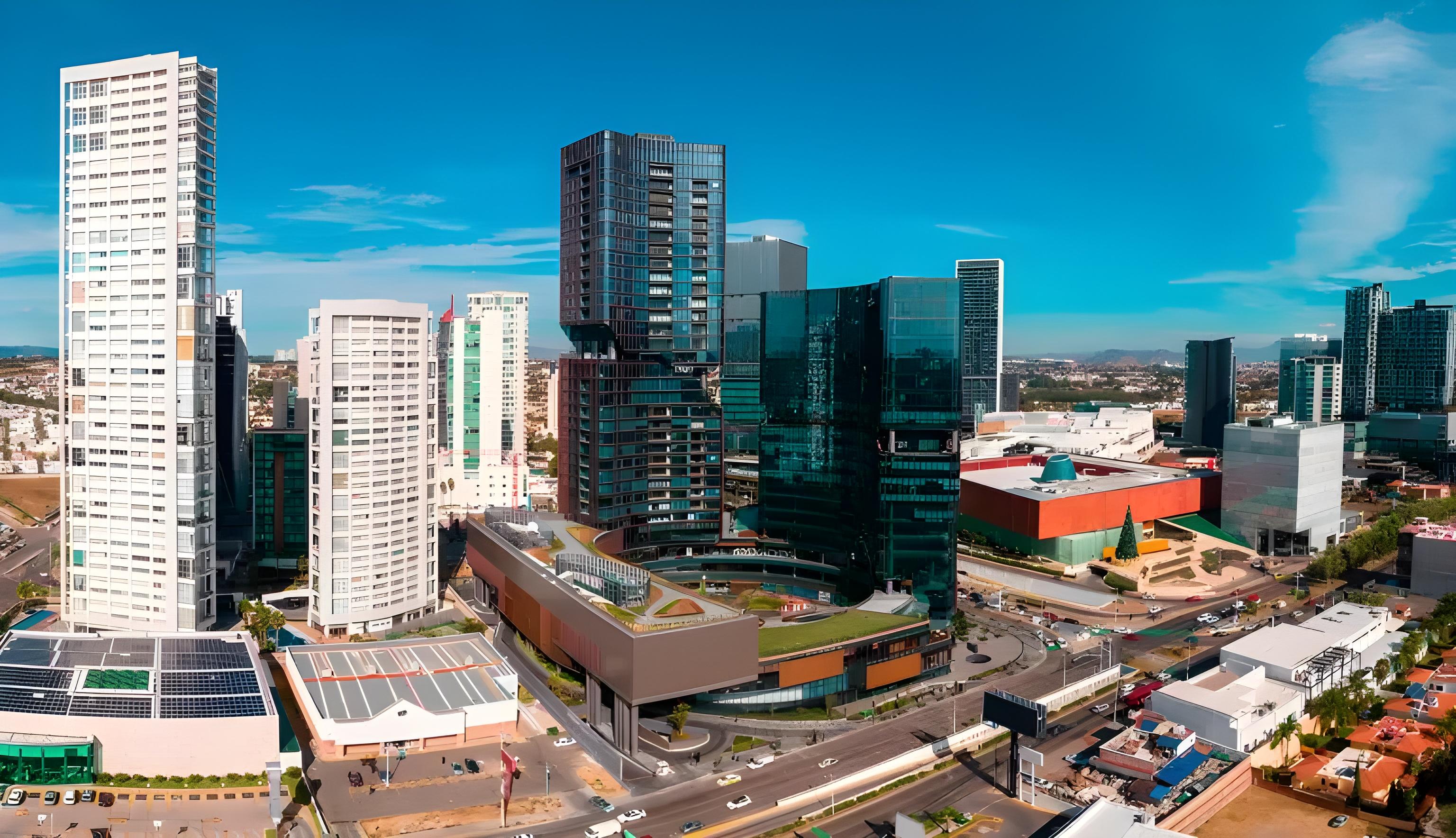
Technically, we are now in Zapopan, not Guadalajara. But this is where the serious luxury money lives. We call it the 'Andares' zone because of the massive luxury mall that anchors it. It will show you some of the highest price tags in the entire state.
This is vertical living. Skyscrapers, helipads, Ferraris. It's the most 'Americanized' part of the city. If you are buying here, you are betting on capital appreciation. The entry price is high. You're competing with wealthy Mexicans who park their money in real estate to protect it from inflation.
The rental market here is peculiar. It's mostly top-tier executives and expats on company packages. View Zapopan trends generally outperforms the broader market for luxury assets. But be warned: the traffic getting in and out of this zone at 6 PM is soul-crushing. It's an island of luxury that can be hard to leave during rush hour.
- Maintenance fees (mantenimiento) in these towers are comparable to Miami or Toronto, often exceeding $10,000 MXN/month.
- Views matter immensely; a unit facing the Landmark/Andares skyline sells for 15% more than one facing the street.
- This is the most liquid market for selling properties over $10 million MXN.
- Many developments here are pre-sold to 'friends and family' lists before hitting the public market.
- Check the water source; some newer towers rely on trucked-in water (pipas) during the dry season.
4. Chapalita: The Local Favorite
Chapalita is special. It straddles the line between Guadalajara and Zapopan, and it has a cult following. It was designed as a 'garden city' decades ago, and it actually feels like one. Explore Chapalita reveals a mix of mid-century houses and low-rise modern apartments.
This is where I tell people to buy if they want to live in the property themselves eventually. It has a massive roundabout (Glorieta Chapalita) that acts as a community center every Sunday. It's walkable, green, and incredibly friendly. View Chapalita Oriente (Zapopan section) is the other half of the neighborhood, and frankly, you can't tell where one municipality ends and the other begins.
Investment-wise, it's a hybrid. You can do Airbnb here successfully, but it also commands high long-term rents because everyone wants to live here. It's not as pretentious as Puerta de Hierro and not as noisy as Americana. It's the Goldilocks zone.
- The 'Glorieta' hosts an art market on Sundays, a major selling point for potential tenants.
- Building heights are strictly regulated, so you won't wake up to a 20-story tower blocking your sun next year.
- Restaurants in Chapalita are a destination; being within 2-3 blocks of Avenida Tepeyac increases value.
- Renovating older homes here can be lucrative, but check the plumbing—galvanized pipes are common in 1960s builds.
- The area is very dog-friendly, so pet-friendly rentals rent out in days, not weeks.
Create a free account to unlock this guide
Create a complimentary PropTrenz account to unlock premium due diligence guides.
Get Started
Create Account
Already Have Account