Is Moving to Mexico Right for You? My Honest Take
You're thinking about moving to Mexico? Awesome! I get it. I've been helping people relocate here for over 5 years, and I've seen it all. Sun-drenched beaches, vibrant culture, lower cost of living – it's a huge draw, I know. But here's the thing: it's not always paradise. It's important to have realistic expectations, and that's where I come in.
What I've learned is that the people who thrive here are the ones who are flexible, open-minded, and prepared for a different way of life. It's not just about escaping to somewhere cheaper; it's about embracing a new culture. You'll face challenges – language barriers, bureaucracy, cultural differences – but if you're ready to roll with the punches, you'll find it incredibly rewarding. I'm not gonna lie, I've seen folks pack up and leave after only a few months when they haven't done their homework.
Here's what I always tell my clients: do your research. Visit different areas. Talk to expats who've already made the move. Understand the visa requirements, the cost of living, and the healthcare system. Don't just romanticize the idea – get real about the practicalities. Because believe me, the more prepared you are, the smoother your transition will be. And I'm here to help you with all of that.
Visas: Your Ticket to Living in Mexico Legally
Okay, let's talk visas. This is probably the most important thing you'll need to figure out. You can't just waltz in and expect to stay indefinitely. Mexico's immigration laws are pretty straightforward, but you gotta follow them. I've seen people try to skirt the rules, and it never ends well.
The two main visa options you'll be looking at are the tourist visa (FMM) and the temporary resident visa. The FMM is easy to get – you'll usually get it at the airport – but it only allows you to stay for up to 180 days. It's great for scouting trips, but not for long-term living. Now, if you're planning to stay longer, you'll need to apply for a temporary resident visa. This visa allows you to live in Mexico for up to four years, and you can renew it.
To qualify for a temporary resident visa, you'll need to prove that you have sufficient financial resources to support yourself. This can be in the form of bank statements, investment accounts, or proof of income. The exact amount varies depending on the consulate, but generally, you'll need to show that you have at least $27,000 USD (or equivalent) in assets, or a monthly income of around $1,600 USD. Another option is to apply based on owning property in Mexico. It gets easier if you've got assets here, that's for sure. The process can be a bit bureaucratic, so be prepared to gather a lot of paperwork. I always recommend starting the application process well in advance of your planned move.
- FMM Tourist Visa: Valid for up to 180 days, typically obtained at the point of entry.
- Temporary Resident Visa: Allows residency for up to four years, renewable.
- Financial Requirements: Prove sufficient income or assets, typically around $27,000 USD in assets or $1,600 USD monthly income.
- Property Ownership: Owning property in Mexico can facilitate the visa application process.
- Application Timeline: Start the visa application process well in advance of your planned move.
Choosing Where to Live: From Bustling Cities to Beachside Havens
Alright, so you've got the visa thing figured out (hopefully!). Now comes the fun part: deciding where to live. Mexico is a huge country, and the options are endless. You've got bustling cities like Mexico City and Guadalajara, colonial towns like San Miguel de Allende and Oaxaca, and beachside paradises like Playa del Carmen and Puerto Vallarta. I've lived in a few different spots, and they all have their pros and cons. One thing I always tell clients is to factor in lifestyle and community.
If you're looking for a vibrant cultural scene, world-class restaurants, and endless entertainment, Mexico City might be for you. It's a huge metropolis, and it can be overwhelming at first, but it's also incredibly diverse and exciting. Now, if you prefer a more laid-back vibe, San Miguel de Allende is a popular choice. It's known for its beautiful architecture, thriving arts scene, and large expat community. But be warned, it can get crowded during tourist season. The thing is, it's a great place to ease into the culture.
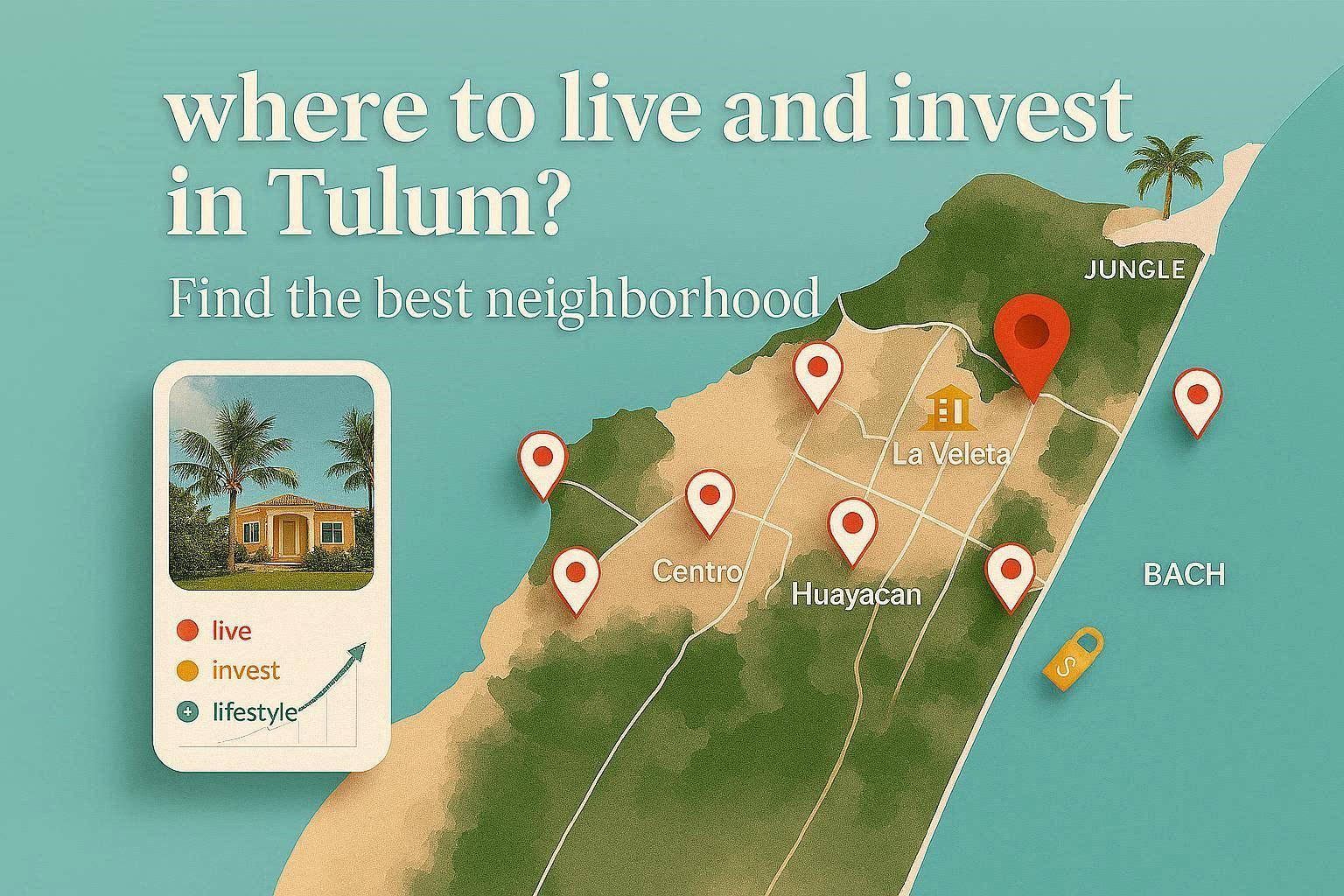
And then there are the beaches. If you're dreaming of waking up to the sound of the waves, places like Playa del Carmen, Tulum, and Puerto Vallarta are hard to beat. But keep in mind that these areas can be more expensive than other parts of Mexico, and they tend to be more touristy. I always tell people to visit a few different places before making a decision. Rent an Airbnb for a month or two and see how you like it. Talk to the locals, explore the neighborhoods, and get a feel for the community. It's all about finding the right fit for you.
- Mexico City: Vibrant cultural scene, diverse neighborhoods, and endless entertainment options.
- San Miguel de Allende: Beautiful architecture, thriving arts scene, and large expat community.
- Playa del Carmen/Tulum: Beachside living with access to amenities and tourist attractions.
- Puerto Vallarta: A mix of beach and city life, with a strong expat presence and a vibrant nightlife.
- Rent Before Committing: Spend time in different areas to find the right fit for your lifestyle.
Finding a Place to Live: Rentals, Purchases, and Scams to Avoid
Okay, so you've picked your city – now you need a place to live. You've got a few options: you can rent, you can buy, or you can even build. But I'm going to focus on renting and buying, since those are the most common choices for expats. The rental market in Mexico can be a bit of a jungle, but with the right approach, you can find a great place at a reasonable price. I always tell clients to use a local real estate agent, someone who knows the area and can help you navigate the process. And watch out for scams!
When it comes to rentals, you'll typically find apartments, houses, and condos available. The price will depend on the location, size, and amenities. In Mexico City, you can expect to pay anywhere from $500 to $2,000 USD per month for a decent apartment. In smaller towns, you can often find places for much less. What I've noticed is that landlords often require a deposit, which is usually equal to one or two months' rent. They may also ask for a guarantor, someone who can vouch for you and pay your rent if you default. If you don't have a guarantor, you may be able to pay an extra deposit instead.
Now, if you're thinking about buying property, the process is a bit more complex. You'll need to hire a notary, who is a licensed legal professional who will oversee the transaction. You'll also need to get a fideicomiso, which is a bank trust that allows foreigners to own property in Mexico. This is especially important if you're buying property near the coast. I've seen people get burned by not doing their due diligence. The thing is, buying property in Mexico can be a great investment, but it's important to do your homework and work with reputable professionals. And seriously, watch out for scams. If something seems too good to be true, it probably is.
- Use a Local Real Estate Agent: They can help you navigate the rental market and avoid scams.
- Rental Deposits: Expect to pay one to two months' rent as a deposit.
- Guarantor Requirements: Landlords may require a guarantor to vouch for your ability to pay rent.
- Fideicomiso: Required for foreigners buying property in restricted zones (near the coast).
- Notary: Hire a licensed notary to oversee the property transaction.
Cost of Living: How Far Will Your Money Go?
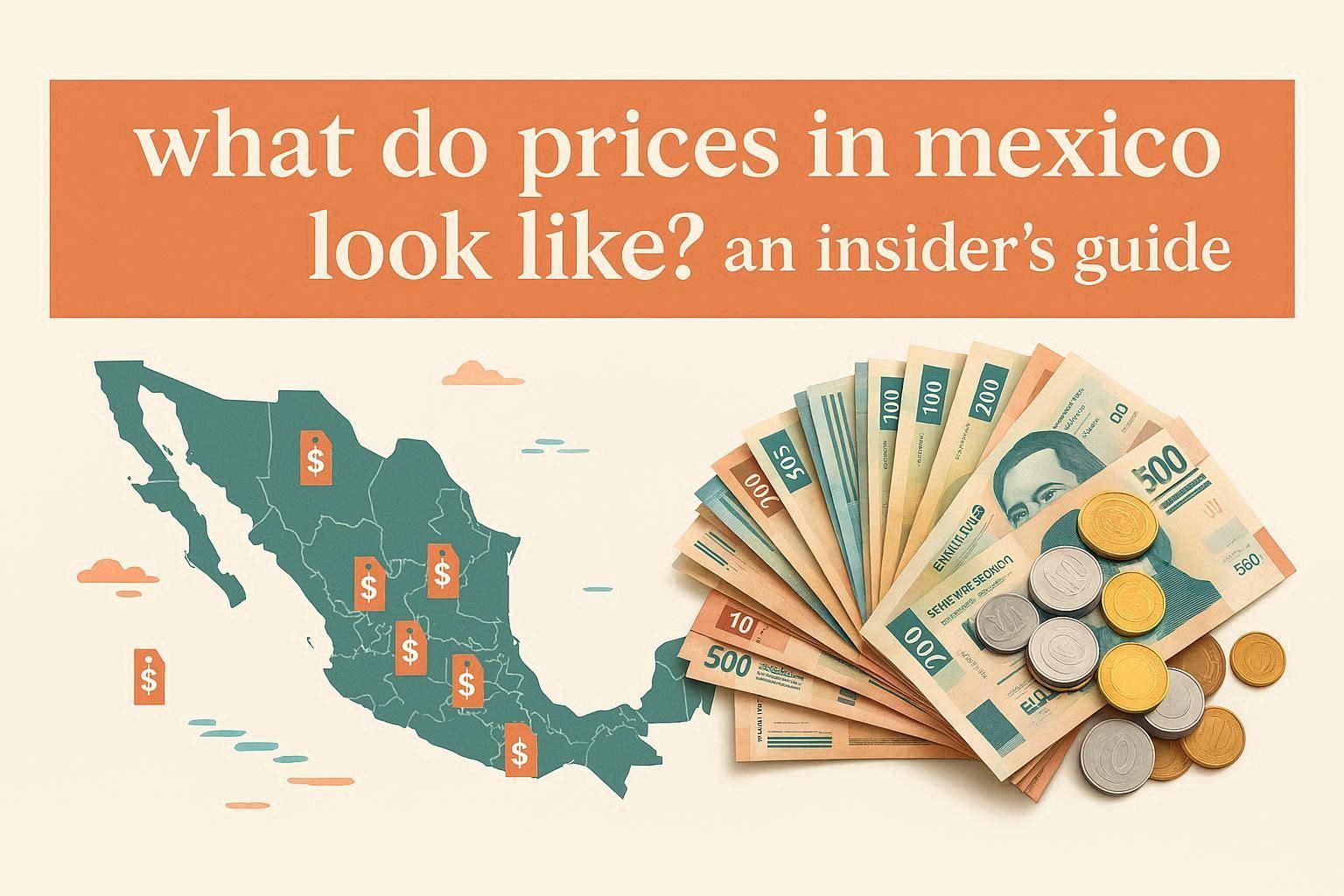
One of the biggest draws of moving to Mexico is the lower cost of living. But how much cheaper is it, really? Well, that depends on where you live and how you live. I've seen people live comfortably on $1,500 USD per month, while others spend $5,000 USD or more. It really varies depending on your lifestyle. Now, if you're used to a certain standard of living, you'll probably need to adjust your expectations a bit.
Rent is generally much cheaper than in the United States or Canada. You can find a decent apartment in Mexico City for around $1,000 USD per month, while a similar apartment in New York City might cost you $3,000 USD or more. Groceries are also generally cheaper, especially if you shop at local markets. Eating out can be very affordable, too. You can get a delicious meal at a local fonda for just a few dollars. What I've noticed is that transportation is also very affordable. Public transportation is readily available and inexpensive. Taxis and ride-sharing services are also relatively cheap.
But here's the thing: some things are more expensive in Mexico. Imported goods, electronics, and certain types of healthcare can be pricey. It's worth doing your homework and researching the costs of the things that are important to you. I always tell clients to create a budget and track their expenses for the first few months. This will give you a good idea of how much you're actually spending. And don't forget to factor in the cost of visas, healthcare, and other unexpected expenses. Now, if you're careful with your money, you can definitely live comfortably in Mexico for much less than you would in your home country.
Rent (Mexico City)
$500 - $2,000 USD/month
Groceries
Generally cheaper than US/Canada
Eating Out (Local Fonda)
$3 - $5 USD/meal
Transportation
Affordable public transport & taxis
Healthcare
Can be expensive (certain services)
Create a free account to unlock this guide
Create a complimentary PropTrenz account to unlock premium due diligence guides.
Get Started
Create Account
Already Have Account