Why I Tell Buyers to Stop Trusting Asking Prices in Mexico
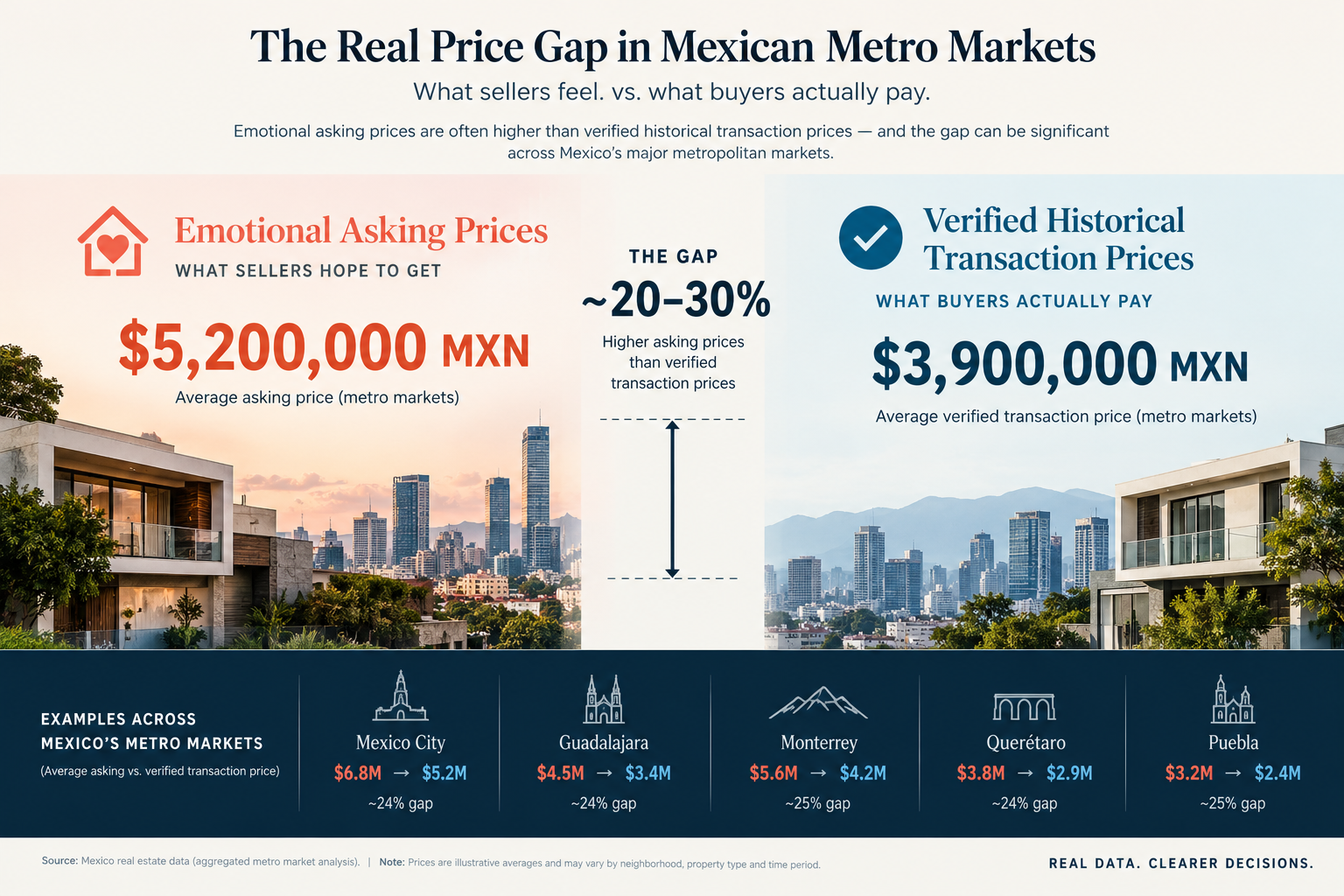
Right out of the gate I'll tell you something most brokers won't admit out loud: asking prices here are often pure fantasy. Without a formal, centralized Multiple Listing Service (MLS) like the US or Canada has, sellers basically list for whatever number pops into their head or whatever their brother-in-law told them the place was worth over Sunday carne asada.
That's where agent misrepresentation runs rampant. Look, real estate agent commissions in Mexico typically sit between 4% and 6% of the final sale price, paid exclusively by the seller. When an agent's paycheck scales directly with the final price tag, you're dealing with severe misaligned interest; nobody on the selling side has any financial incentive to tell you a home is grossly overpriced.
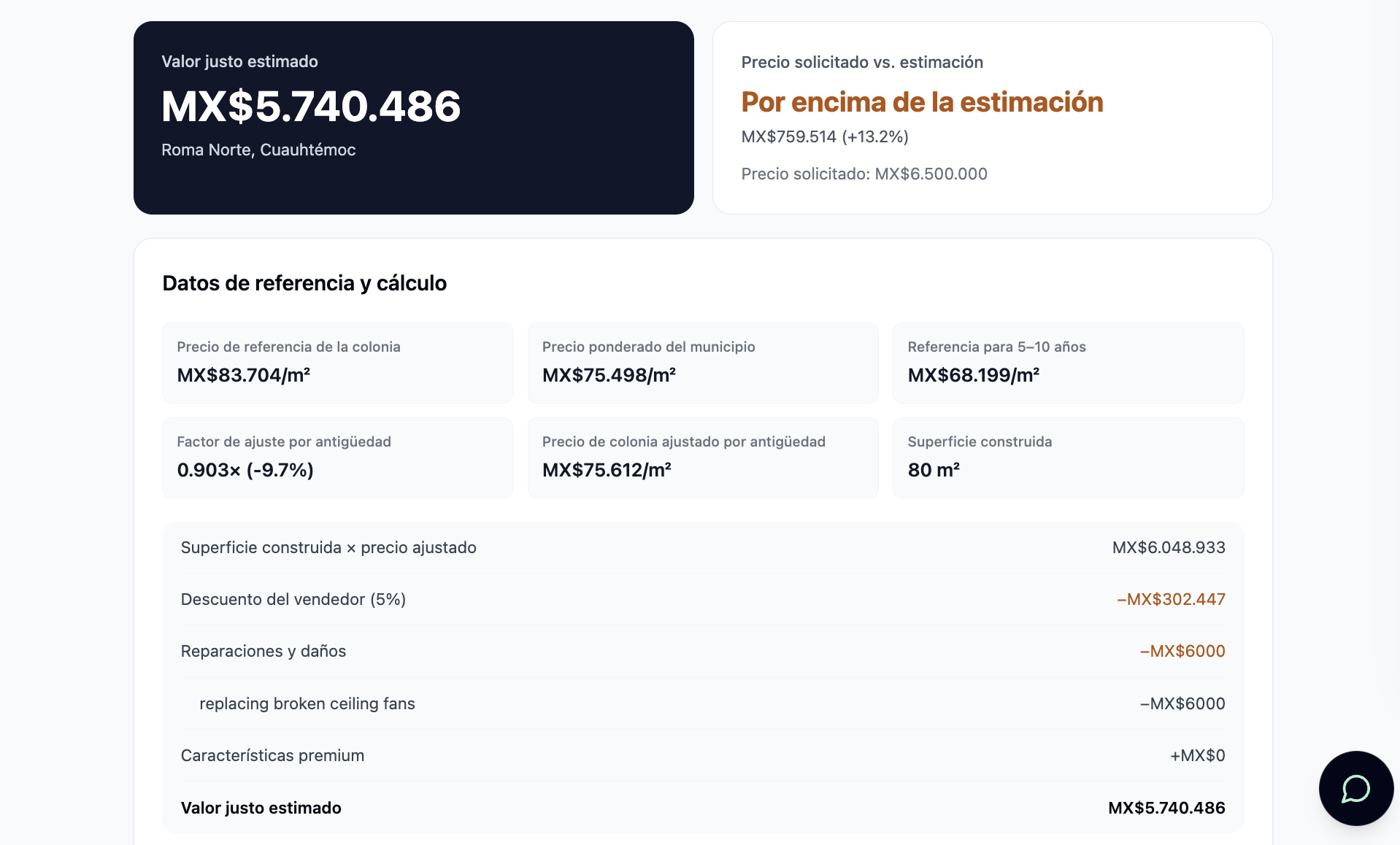
If you want to secure a fair price, you need objective data rather than seller's words. Using the PropTrenz Property Offer Negotiator gives you a neighborhood-context fair-value estimate and exposes the asking-price gap before you even open your mouth to make an offer. By coming to the table with a structured, data backed offer, the buyers routinely walk away with an average price reduction of 15%.
- Mexican real estate law doesn't require public disclosure of final recorded deed prices at the registry, which fuels listing inflation.
- AMPI (Asociación Mexicana de Profesionales Inmobiliarios) provides licensing standards, but licensing is not strictly enforced in every Mexican state.
- Seller-side listing agreements often lack exclusivity, prompting multiple brokers to market the exact same home at wildly differing price points.
- Relying on a listing portal's raw average price per square meter will skew your budget because unvetted listings linger for years without price cuts.
- Negotiation success starts before you write an offer; you must know the local baseline down to the exact block you're targeting.
Average Commission Rate
4% - 6% + VAT
Typical Buyer Overpricing Exposure
10% - 25%
Step 1: Selecting Your Supported Market, Municipality, and Neighborhood
Let's dive right into the screen. When you open the PropTrenz Property Offer Negotiator, your very first task is telling the engine where this property actually sits, which matters immensely because real estate values in Mexico change street by street. You'll start by selecting your primary market from the dropdown menu, followed by the specific municipality (alcaldía or municipio), and finally the exact colonia.
Don't guess on the neighborhood boundaries. If you're looking at a flat near Parque México, make sure you pick Hipódromo or Condesa rather than just assuming it shares numbers with Roma Norte. In Cuauhtémoc, for instance, prices swing dramatically between blocks; check Condesa prices against what's happening just across Avenida Insurgentes in Roma Norte.
What happens if you pick the wrong colonia? Your baseline shifts completely, and your entire fair-value estimate gets thrown out the window. If you're looking at upscale options in Miguel Hidalgo, selecting Polanco will give you completely different pricing baselines than looking five minutes north in Anáhuac or Granada, so double-check the property's official postal code before choosing your location (Sometimes even the agents and the listings get it wrong 😅).
- Never group adjacent micro-markets together; a condo on the edge of Juárez carries different metrics than one three streets away in Roma.
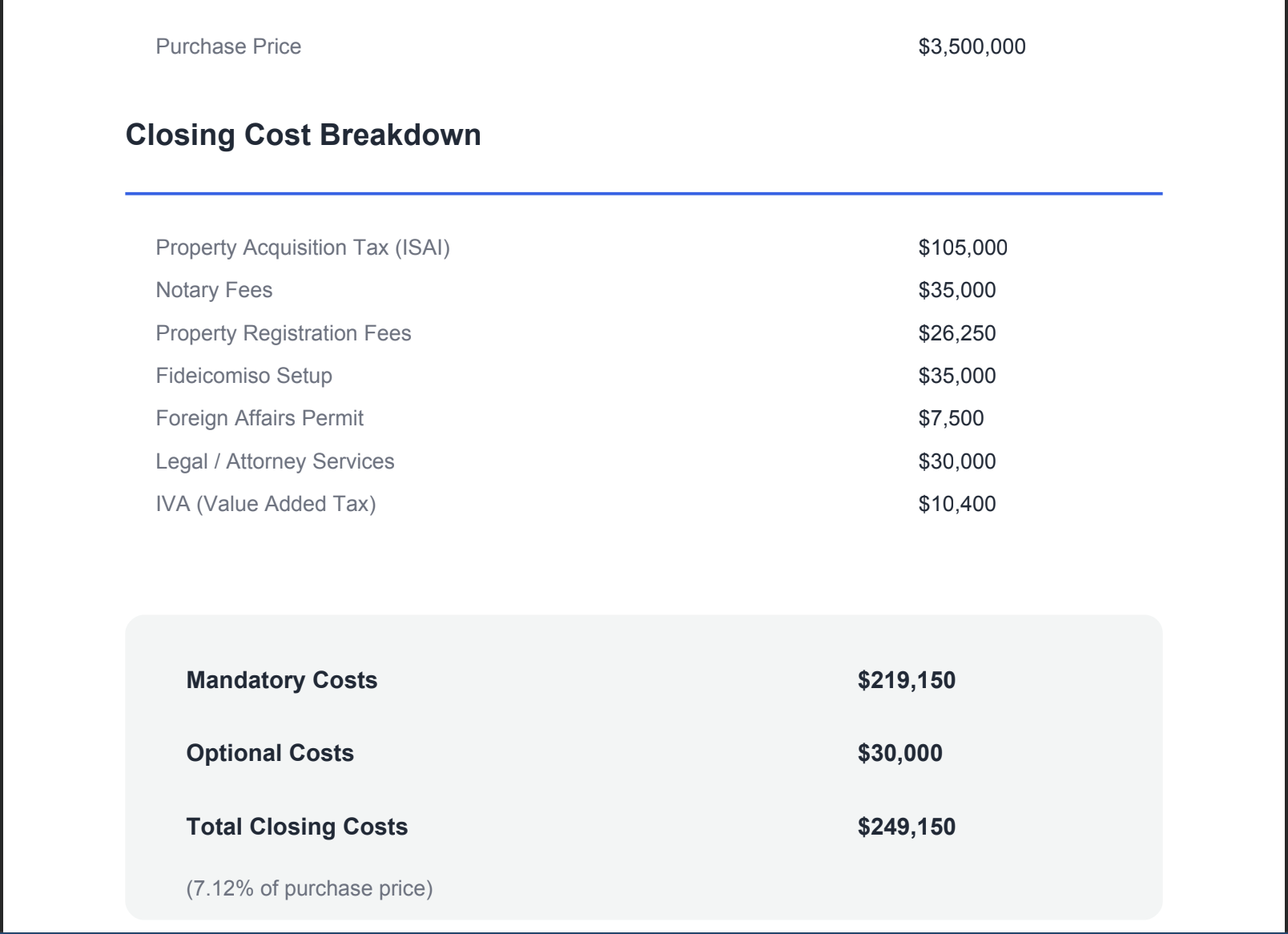
- Keep municipal jurisdiction in mind, as local transfer taxes (ISAI) vary across entities like Cuauhtémoc versus Huixquilucan.
Location Granularity
Colonia Level
Tax Variation (ISAI)
1% - 5.5% by state
Step 2: Entering Built Area, Property Age, Asking Price, and Currency
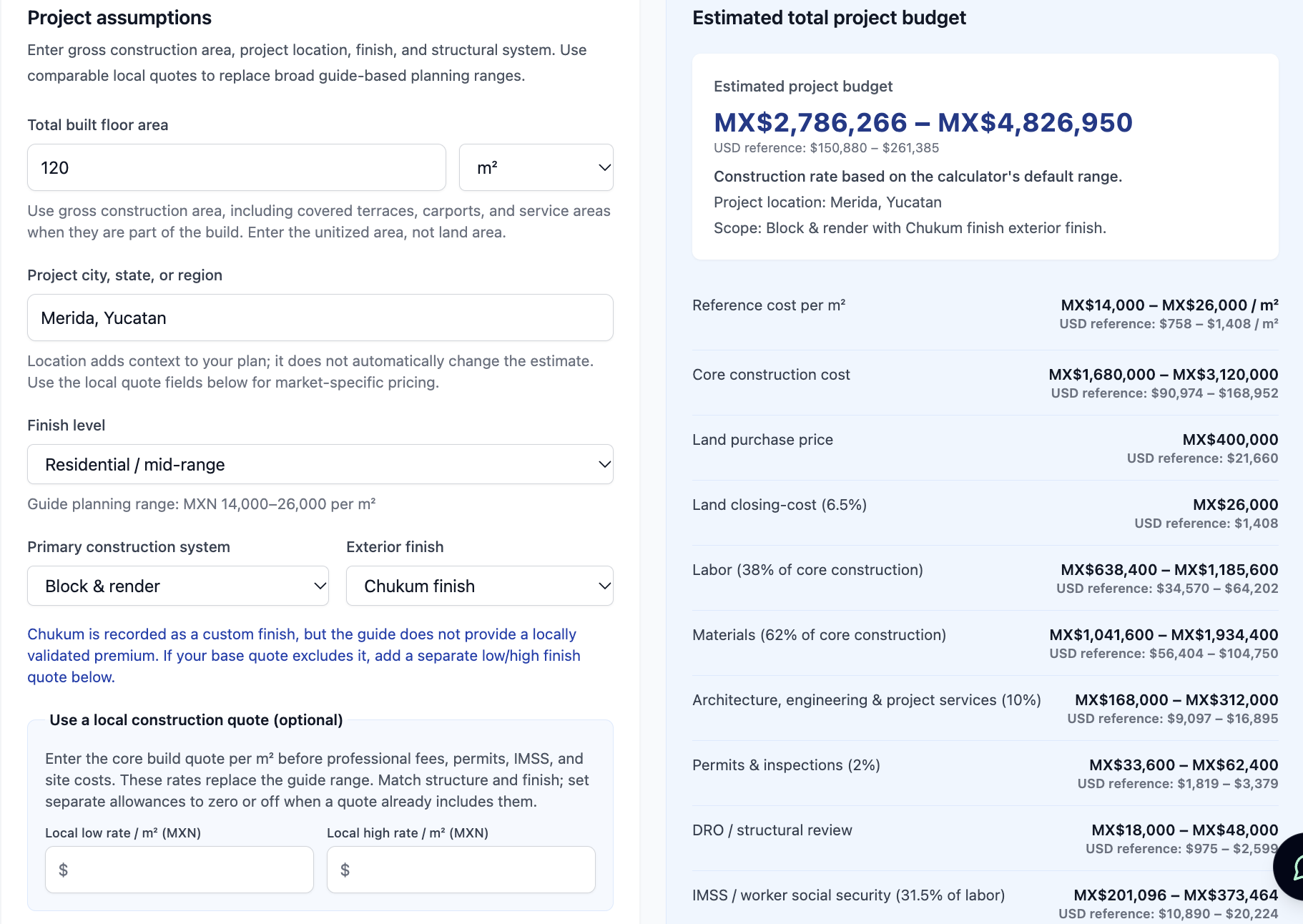
Now that your location is locked in, you need to input the core property facts: total built area (metros cuadrados de construcción), property age in years, the current asking price, and the listing currency. Be careful with square meters: you must input the private, enclosed living area, not the total lot size or shared common elements like rooftop terraces and lobby space.
I see listing agents inflate m² numbers constantly by including parking spaces, storage lockers (bodegas), or common garden fractions in the interior habitable figure. Dig out the escritura (deed) or architectural floor plan to verify the true interior construction size before typing it in. If you're looking south in Coyoacán, older character homes often have huge private gardens that skew the raw interior price per meter if entered incorrectly.
Currency selection is just as vital. High-end zones often quote in US Dollars (USD), while middle-market homes trade in Mexican Pesos (MXN). The tool lets you toggle your input currency directly, which is crucial because exchange rate fluctuations can distort what looks like a discount into an overpriced listing overnight. Always input the exact currency stated on the initial contract draft to prevent conversion drift.
- Exclude undivided common property shares (indivisos) from the interior construction square footage input.
- Include deeded terraces or private balconies only if the tool's secondary inputs prompt for private exterior space.
- Age inputs directly calculate physical depreciation according to structural lifespan standards (typically based on the Ross-Heidecke method).
- If a home was stripped to the concrete slab and rebuilt five years ago, use the effective renovation age rather than the original foundation date.
- For USD-denominated listings, verify whether the seller uses the Official Federal Gazette (DOF) exchange rate for closing day payments.
Standard Depreciation Pace
1% - 1.5% annually
Indiviso Deduction Average
10% - 20% of gross listing m²
Step 3: Fine-Tuning for Seller Discounts, Repairs, and Damage
Rarely is a pre-owned home in Mexico turnkey, and this is where the PropTrenz Property Offer Negotiator gets remarkably practical. Once your base metrics are in, you can toggle optional adjustments for observable deferred maintenance, structural repairs, or existing verbal seller discounts. If a seller has already dropped their price by 500,000 MXN verbally, you log that right here to track the moving target.
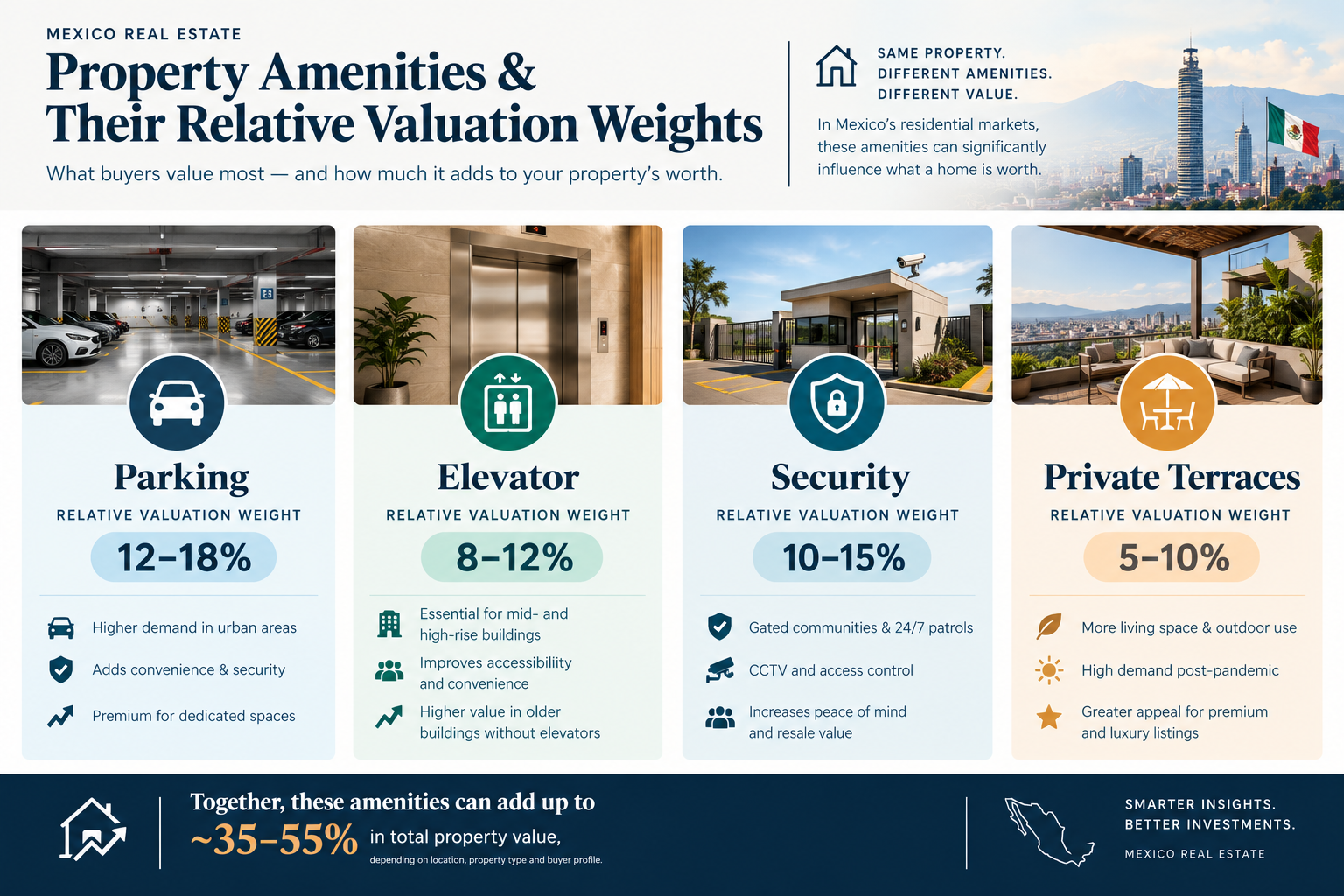
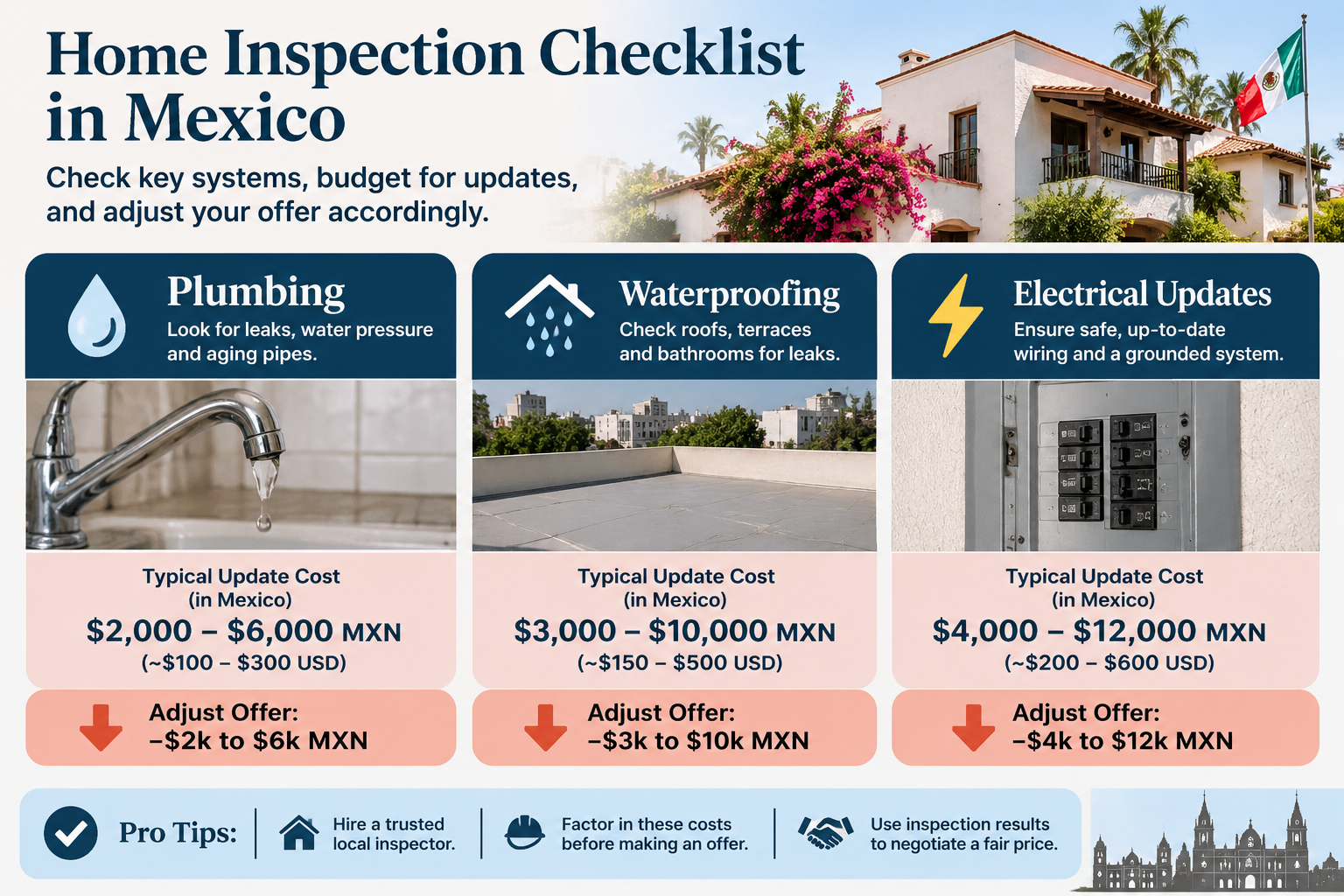
Now, let's talk about physical defects: dampness (humedad), cracked roof waterproofing (impermeabilización), or ancient copper plumbing that hasn't been touched since the 1980s. When you add estimated repair costs into the negotiator, it doesn't just deduct those costs dollar-for-dollar; it penalizes the property's baseline score because you are absorbing major project risk that the seller refused to manage.
I recently advised a client evaluating an apartment in Juárez. The unit had gorgeous historic high ceilings, but the electrical wiring was still running cloth insulation and couldn't support modern air conditioning. We calculated a 350,000 MXN rewiring job, plugged it straight into the repair field, and watched the tool instantly recalculate the fair price recommendation down to account for that immediate capital outlay.
- Always get a certified physical home inspection (peritaje técnico) before finalizing repair cost estimates in the tool.
- Common Mexican repair items include replacing failing water cisterns (aljibes), resealing tinacos, and repairing foundation settling cracks.
- Account for electrical service upgrades; older homes frequently lack a dedicated physical ground wire (tierra física).
- Factoring in dampness remediation must include exterior sealant coats, interior plaster replacement, and mold barrier treatments.
- Use local contractor quotes rather than international averages to ensure your repair inputs reflect actual local labor rates.
Average Roof Waterproofing Lifespan
3 - 5 years
Typical Pre-Owned Repair Buffer
5% - 8% of purchase price
Create a free account to unlock this guide
Create a complimentary PropTrenz account to unlock premium due diligence guides.
Get Started
Create Account
Already Have Account