Understanding the Mexican Credit System
Okay, so you're looking to understand the Mexican credit system? It's not as daunting as it seems, I promise. Here's the thing, it's different than what you might be used to in the US or Canada. I've seen a lot of expats get tripped up by this.
Basically, your 'credit score' here is a reflection of your payment history on loans, credit cards, and even some service contracts. Think of it like this: are you paying your bills on time? That's the main thing. The better your payment history, the better your score.
Unlike some countries where a lack of credit history is neutral, in Mexico, no credit history can sometimes be viewed negatively. It's like you're an unknown quantity. So, building credit, even with small purchases, is a good idea. I've seen it make a difference when folks try to rent apartments in places like Polanco. View Polanco prices Landlords want to know you're reliable.
There are a few key players in the Mexican credit system, which I'll cover in the next section, but just remember the basics: pay on time, every time, and start building that history!
- A good credit score opens doors to better loan terms, lower interest rates, and easier approvals for rentals and services.
- Late payments can significantly damage your score, so prioritize timely payments.
- No credit history can be as detrimental as a poor credit history; start building credit early.
- Maintaining a low credit utilization ratio (the amount of credit you're using compared to your total available credit) can improve your score.
- Consider getting a secured credit card or a small personal loan to start establishing credit if you have no prior history.
Key Credit Bureaus: Círculo de Crédito and Buró de Crédito
Alright, let's talk about the main credit bureaus. You've got two big ones here: Círculo de Crédito and Buró de Crédito. Think of them as the keepers of your financial reputation.
Buró de Crédito is probably the better known one. They collect information from lenders – banks, credit card companies, retailers – about your payment behavior. It's pretty comprehensive. They'll track everything from your department store credit card to your car loan.
Círculo de Crédito is another important player. They also gather credit information, but they're often seen as being more focused on serving smaller lenders and businesses. So, you might find information there that isn't on Buró de Crédito. Honestly, I recommend checking both to get a complete picture.
What most people don't realize is that these bureaus don't decide if you get credit. They just provide the information to lenders. The lender then uses that information, along with other factors, to make their decision. So your score is important, but it's not the only thing.
I know it sounds complicated, but don't worry, accessing your credit report from either of these bureaus is generally free once a year. I'll walk you through that process in the next section.
- Both Buró de Crédito and Círculo de Crédito are private companies authorized to collect and report credit information.
- You're entitled to one free credit report from each bureau every 12 months.
- Lenders use the information from these bureaus to assess your creditworthiness and determine loan terms.
- Incorrect information on your credit report can negatively impact your score; it's important to review and dispute errors.
- These bureaus do not make lending decisions; they simply provide the data lenders use to evaluate risk.
Step-by-Step: How to Check Your Credit Report
Okay, let's get down to the nitty-gritty: how do you actually see your credit report? I've done this countless times for myself and helped many clients, so trust me, it's not rocket science.
First, head over to either the Buró de Crédito or Círculo de Crédito website. Both have online portals where you can request your Reporte de Crédito Especial. It's basically your credit report.
You'll need some personal information, like your CURP (Clave Única de Registro de Población), RFC (Registro Federal de Contribuyentes), address, and date of birth. Make sure you have these handy. They'll also ask some questions to verify your identity, so be prepared.
Now, here's what I've noticed: sometimes the online process can be a little glitchy. If you run into problems, you can also request your report by phone or in person at one of their service centers. It might take a bit longer, but it's a reliable alternative.
Once you get your report, read it carefully. Look for any errors or discrepancies. I once found a loan on my report that I never took out! Mistakes happen, so it's important to be vigilant. If you see something wrong, you can dispute it with the credit bureau.
- Visit the official website of Buró de Crédito or Círculo de Crédito to request your free credit report.
- Have your CURP, RFC, address, and date of birth readily available.
- Be prepared to answer verification questions to confirm your identity.
- If you encounter issues online, consider requesting your report by phone or in person.
- Thoroughly review your credit report for errors or discrepancies upon receipt.
- Dispute any incorrect information with the credit bureau to ensure accuracy.
Understanding Your Credit Score Range
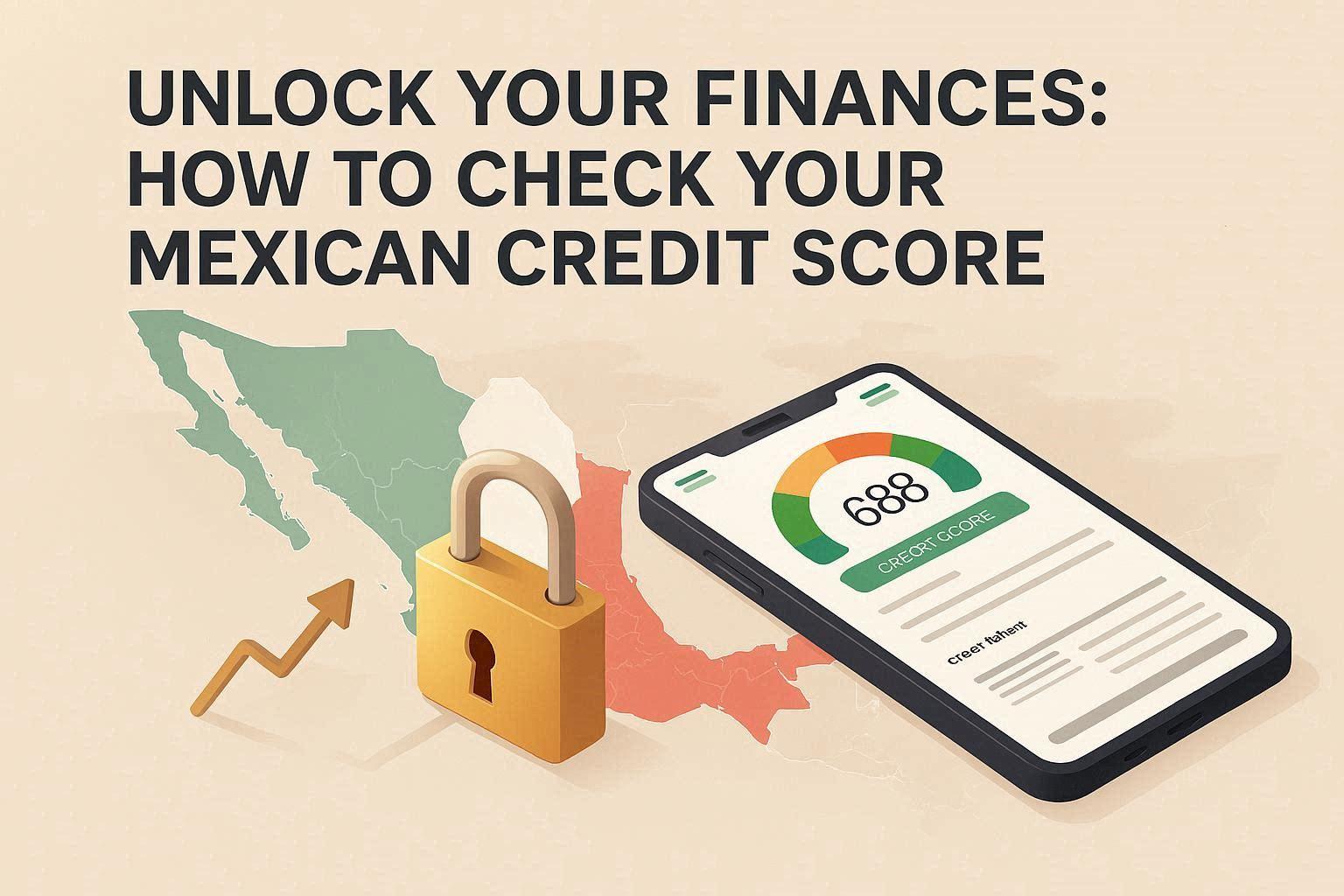
So, you've got your credit report. Now, what does that number actually mean? Well, the score ranges vary slightly between Buró de Crédito and Círculo de Crédito, but generally, the higher the score, the better.
With Buró de Crédito, the score typically ranges from around 400 to 850. A score above 700 is generally considered good, and anything above 750 is excellent. This means you're seen as a low-risk borrower.
Círculo de Crédito uses a different scale, but the principle is the same. They also provide a rating that indicates your creditworthiness. Both bureaus will give you a general assessment of your creditworthiness, like 'good,' 'fair,' or 'poor.'
The thing is, don't obsess over the exact number. Focus on understanding what factors are contributing to your score. Are you making payments on time? Are you carrying too much debt? These are the things you can control.
And remember, your credit score is just one piece of the puzzle. Lenders will also look at your income, employment history, and overall financial situation. I've seen people get approved for loans with slightly lower scores because they had strong compensating factors.
- The credit score range varies slightly between Buró de Crédito and Círculo de Crédito.
- A higher credit score generally indicates a lower risk to lenders.
- Focus on understanding the factors contributing to your score rather than obsessing over the exact number.
- Lenders consider other factors besides your credit score, such as income and employment history.
- Regularly monitor your credit report to track your score and identify areas for improvement.
Buró de Crédito Score Range
400 - 850
Good Buró de Crédito Score
700+
Excellent Buró de Crédito Score
750+
Factors That Impact Your Credit Score in Mexico
Okay, so what actually moves the needle on your credit score? I mean, besides just paying your bills on time, what else is at play? I've seen people make some common mistakes that really hurt their score without realizing it.
The biggest factor is, without a doubt, your payment history. Late payments are a killer. Even one late payment can ding your score significantly. So, set up automatic payments if you can. It's a lifesaver.
Credit utilization is another big one. This is the amount of credit you're using compared to your total available credit. Ideally, you want to keep this below 30%. Maxing out your credit cards is a huge red flag to lenders.
The length of your credit history also matters. The longer you've been using credit responsibly, the better. That's why it's a good idea to keep older credit cards open, even if you don't use them much (as long as there are no annual fees!).
Finally, the types of credit you have can also play a role. Having a mix of credit cards, loans, and other types of credit can demonstrate that you can manage different types of debt. But don't go taking out loans just to diversify your credit mix! That's a bad idea.
- Payment history is the most significant factor impacting your credit score; prioritize timely payments.
- Keep your credit utilization ratio below 30% to avoid negatively impacting your score.
- A longer credit history generally leads to a higher credit score.
- Diversifying your credit mix can demonstrate responsible debt management.
- Avoid maxing out credit cards or making late payments, as these can significantly damage your score.
Building Credit in Mexico: Practical Tips and Strategies
Okay, so you're starting from scratch or trying to rebuild your credit? I've been there, and I've helped tons of people do it. It takes time and effort, but it's definitely possible. I've seen people go from having no credit to getting approved for a mortgage in just a couple of years.
The first thing you can do, it's to get a secured credit card. This is a credit card where you put down a deposit as collateral. It's a great way to start building credit because it's less risky for the lender. Use it responsibly, pay your bills on time, and you'll start seeing your score improve.
Another option is to take out a small personal loan. Again, make sure you can afford the payments and pay it back on time. This will show lenders that you can manage debt responsibly.
What most people don't know, is that you can also build credit by paying your utility bills and phone bills on time. Some companies report this information to the credit bureaus. Check with your providers to see if they do.
Finally, be patient. Building credit takes time. Don't expect to see results overnight. Just keep making responsible financial decisions, and your score will gradually improve. I've seen people get discouraged and give up, but consistency is key. If you're looking for a place to live while you build credit, you might want to consider areas with more flexible rental requirements.
And remember, it's a marathon, not a sprint!
- Obtain a secured credit card by providing a deposit as collateral; use it responsibly to build credit.
- Take out a small personal loan and make timely payments to demonstrate responsible debt management.
- Ensure utility and phone bills are paid on time; some companies report this information to credit bureaus.
- Become an authorized user on someone else's credit card; this can help you build credit history without opening a new account.
- Monitor your credit report regularly to track your progress and identify areas for improvement.
- Consider a credit-builder loan, which is specifically designed to help you build credit history.
Disputing Errors on Your Credit Report
So, you found an error on your credit report? Don't panic! It happens more often than you think. I've helped several clients correct errors that were dragging down their scores. The important thing is to take action and dispute the error with the credit bureau.
First, gather all the documentation you have that supports your claim. This could include receipts, bank statements, or loan agreements. The more evidence you have, the better.
Next, write a letter to the credit bureau explaining the error and why you believe it's incorrect. Be clear and concise, and include copies of your supporting documentation. Don't send originals! Keep those for your records.
You can send your dispute letter to either Buró de Crédito or Círculo de Crédito . They'll investigate the error and contact the lender or creditor to verify the information. This process can take up to 30 days.
Once the investigation is complete, the credit bureau will notify you of their findings. If they agree that there was an error, they'll correct your credit report. If they disagree, they'll explain why. If you're not satisfied with their response, you can file a complaint with the CONDUSEF, the government agency that protects consumers of financial services.
The thing is, this can be a bit of a hassle, but it's worth it. An inaccurate credit report can cost you money and opportunities. Don't let errors drag you down!
- Gather all documentation supporting your claim, such as receipts, bank statements, or loan agreements.
- Write a clear and concise dispute letter explaining the error and why you believe it's incorrect.
- Send your dispute letter to the appropriate credit bureau (Buró de Crédito or Círculo de Crédito).
- The credit bureau will investigate the error and contact the lender or creditor to verify the information.
- If the bureau agrees there was an error, they will correct your credit report.
- If you're not satisfied with the bureau's response, file a complaint with CONDUSEF.
Regional Variations and Credit Building Challenges for Expats
Here's a thing I've learned over the years: the Mexican credit system can feel different depending on where you are. While the core principles are the same across the country, some regional variations and unique challenges exist, particularly for expats.
For instance, in larger cities like Mexico City or Guadalajara Explore Guadalajara, you might find more lenders who are familiar with international credit histories and willing to work with expats. However, in smaller towns or more rural areas, it can be more challenging to establish credit if you don't have a strong local credit history.
One of the biggest hurdles for expats is often the language barrier. Navigating the credit system, understanding the paperwork, and communicating with lenders can be difficult if you don't speak Spanish fluently. Consider seeking assistance from a translator or financial advisor who is familiar with the Mexican credit system.
Another challenge is the documentation requirements. You'll typically need a CURP, RFC, proof of address, and other documents to apply for credit. Make sure you have all of these in order before you start the process.
I've also seen expats struggle with the concept of aval (co-signer). In some cases, lenders may require you to have a Mexican citizen co-sign your loan. This can be difficult to arrange if you don't have close friends or family in Mexico. But it is important to mention that in areas such as Santa Fe View Santa Fe listings, or Monterrey Explore Monterrey, larger international firms are more accustomed to working with expats without requiring an aval.
The thing is, don't get discouraged. Building credit in Mexico as an expat can be a challenge, but it's definitely achievable with persistence and the right resources.
- Larger cities like Mexico City and Guadalajara may have more lenders familiar with international credit histories.
- The language barrier can be a significant challenge for expats; consider seeking assistance from a translator.
- Ensure you have all required documentation, such as CURP, RFC, and proof of address, before applying for credit.
- Be prepared for the possibility of needing an aval (co-signer), especially in smaller towns.
- Consider joining expat communities or seeking advice from financial advisors experienced in working with expats in Mexico.
- Research local credit unions or cooperatives that may be more willing to work with expats with limited credit history.
Want to invest in Mexican real estate?
Connect with a vetted real estate professional who can help you every step of the way.
47 investors got connected last month 🤝
Frequently asked questions
Related Articles
Continue reading with these related guides

The Best Credit Cards in Mexico in 2026: A Practical Guide
Picking the right credit card in Mexico can unlock rewards and build your credit history.
Read more
Mexico Real Estate Prices 2026: Costs by Region & Hidden Fees
I break down actual property costs across Mexico's hottest markets, stripping away the hype to show you what you'll really pay.
Read more
How to Get a Mortgage in Mexico: Your Complete Guide For Locals and Foreigners
Think you need 100% cash to buy in Mexico? Wrong. Here is the honest truth about financing, interest rates, and navigating Mexican banks.
Read more