The Million Dollar Question (That Sometimes Costs $100k)
If I had a peso for every time a client asked me, "How much is a house in Mexico?" I could probably retire to a nice penthouse in Puerto Vallarta right now. It is the most common question I get, and honestly, it is the hardest one to answer without asking you twenty questions first. Are we talking about a shoebox studio in a trendy Mexico City neighborhood or a sprawling hacienda in the Yucatán jungle?
Here is the reality I have seen over the last 15 years: Mexico is a market of massive contradictions. You can find habitable homes for $50,000 USD in rural areas, and you can find condos for $5 million USD that would make a New York banker blush. The gap is enormous.
But I know you didn't click on this just to hear "it depends." You want numbers. You want benchmarks. You want to know if you are getting ripped off. So, I am going to break down the actual costs based on deals I have seen close recently, not just the inflated asking prices you see on the internet portals.
We need to look at this regionally because Mexico isn't one market. It is about ten different markets moving at different speeds. What you pay in the Riviera Maya has absolutely nothing to do with what you pay in the central highlands. Let's get into the nitty-gritty.
- Location drives value more aggressively here than in the US; moving three blocks can drop the price per square meter by 30%.
- Most online listings are ASKING PRICES and heavily inflated for foreign buyers; actual closing prices are often 5-15% lower.
- Luxury markets are increasingly dollarized, meaning you pay in USD, while local markets still trade strictly in Mexican Pesos (MXN).
- Construction quality varies wildly, so a lower price per square meter often signals hidden renovation costs you haven't factored in.
- The GRINGO PRICE is real in informal transactions, but less common in established agencies with MLS systems.
National Avg Home Price
$1.6M MXN (approx)
Luxury Market Entry
$500k USD+
Beachfront Premium
40-60% vs. Inland
Mexico City: The Beast of the Market

Mexico City (CDMX) is a monster. It is sophisticated, expensive, and arguably the most dynamic real estate market in Latin America. If you are looking here, forget the idea of "cheap Mexico." You are competing with wealthy locals, international investors, and a scarcity of buildable land. Prices in prime areas rival parts of Miami or Madrid.
Let's talk about Polanco. This is the Beverly Hills of Mexico. If you want to live here, you are paying for the status, the security, and the luxury retail. View Polanco prices to see what I mean. You are rarely going to find anything decent under $5,000 USD per square meter here, and for the ultra-luxury stuff on Ruben Darío street, I've seen deals hit $15,000 USD per square meter. It's wild.
Then you have the hipster darlings: Roma and Condesa. These areas have exploded in the last decade. I remember when Roma was gritty; now it is the capital of digital nomads and boutique hotels. Explore Roma Norte and Check Condesa prices usually trade between $3,500 and $5,500 USD per square meter. The inventory here is older, often requiring renovation, which keeps the entry price high but the maintenance higher.
If you want value, you have to look slightly adjacent. Narvarte and Del Valle are fantastic, safe, family-oriented neighborhoods that offer way more bang for your buck. See Narvarte prices and Check Del Valle listings. You can still find great apartments here for under $3,000 USD per square meter. It is where the actual upper-middle-class locals live, rather than the expats.
- Parking spots in Polanco and Roma are gold dust; an apartment with two spots commands a significant premium.
- Earthquake structural integrity is a major price factor; post-1985 and post-2017 buildings cost more due to better engineering.
- Maintenance fees (mantenimiento) in luxury towers can run upwards of $500 USD a month, so ask before you offer.
- Older Art Deco buildings in Condesa often lack elevators, which limits resale value to older demographics.
- Pre-sale (preventa) discounts in CDMX are shrinking; developers are offering less financing flexibility than they did five years ago.
The Beach Premium: Riviera Maya and Pacific Coast
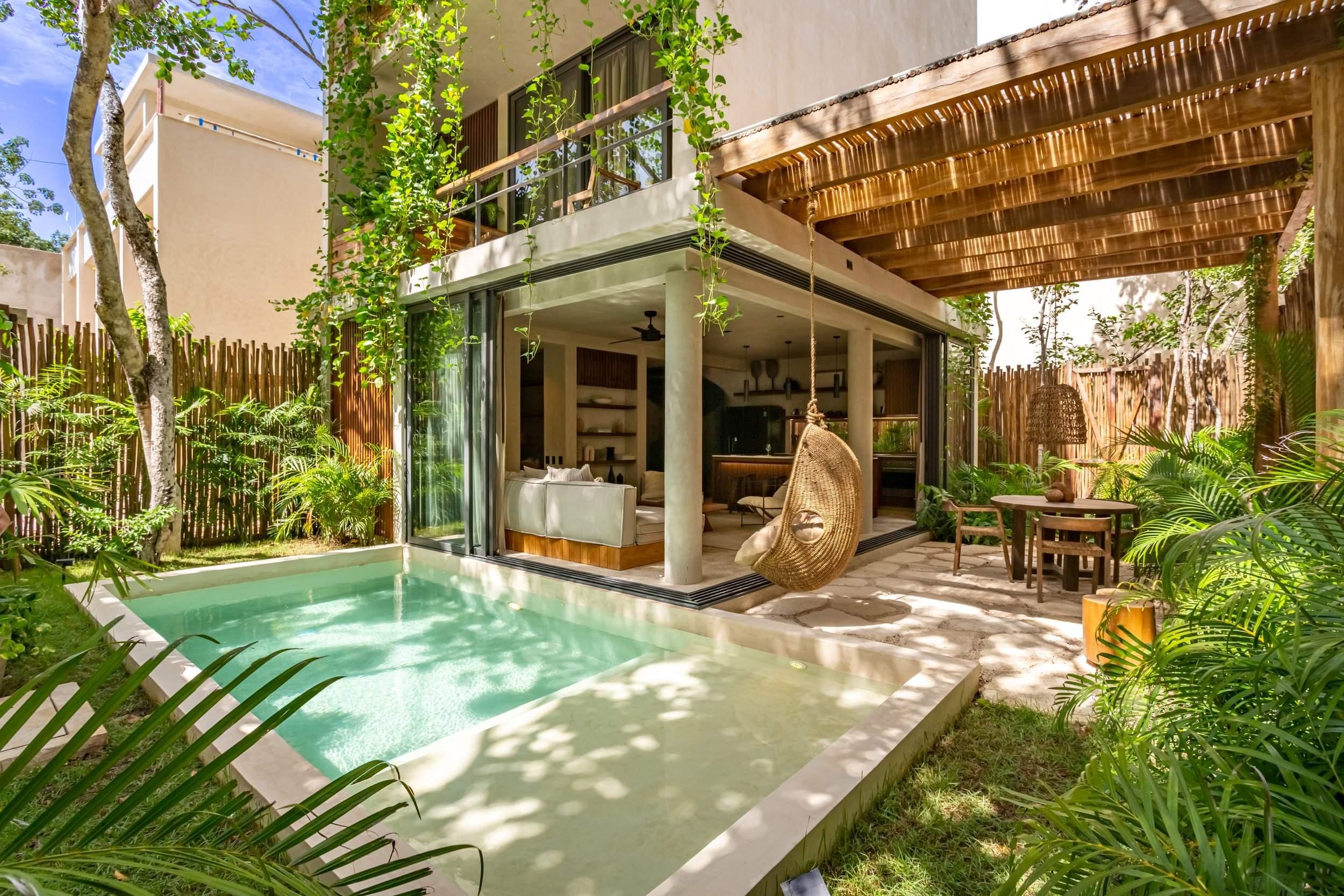
Everybody wants a piece of the beach. But here is the thing: the "beach" market is actually two markets. There is the beachfront—which is scarce and astronomically expensive—and then there is everything else. In places like the Riviera Maya, being on the sand versus being across the highway is a difference of hundreds of thousands of dollars.
Take Tulum, for example. It went from a backpacker secret to an Instagram influencer hub overnight. You can find a 2-bedroom condo in the jungle (Aldea Zama or La Veleta) for $250,000 to $350,000 USD. But if you want actual beachfront in the hotel zone? You are talking millions, and titles can be tricky there. The market has softened a bit recently due to oversupply in the condo sector, so it is a buyer's market if you have cash.
Playa del Carmen is more established. It feels more like a real city and less like a construction site compared to Tulum. You can get a solid vacation rental condo downtown for $200,000 USD. It won't have an ocean view, but it will rent well.
Over on the Pacific, Puerto Vallarta and the Riviera Nayarit offer a different vibe. It is more topographical—hills meets ocean. The "Romantic Zone" in PV is pricey, with condos easily hitting $400k-$600k USD. But if you go north to Bucerías or Sayulita, you get a bit more space for your money, though prices there have surged post-pandemic too.
And then there is Los Cabos. This is the heavy hitter for the West Coast luxury market. It is almost entirely dollarized. Entry-level homes in decent gated communities start at $450k, but the median for luxury is well over $2 million. It is basically an extension of California real estate at this point.
- HOA fees in beach communities are notoriously high due to pool maintenance, humidity damage, and 24/7 security.
- Hurricanes affect insurance premiums; expect to pay significantly more for coverage in Quintana Roo and Baja.
- ROI calculations for vacation rentals often ignore property management fees, which typically take 20-30% of gross revenue.
- The 'fideicomiso' (bank trust) is mandatory for foreigners buying within 50km of the coast, adding about $2,000 to startup costs.
- Resale of condos in saturated markets like Tulum can take 12+ months; liquidity is much lower than in major cities.
The Colonial Highlands: Where Expats Actually Live
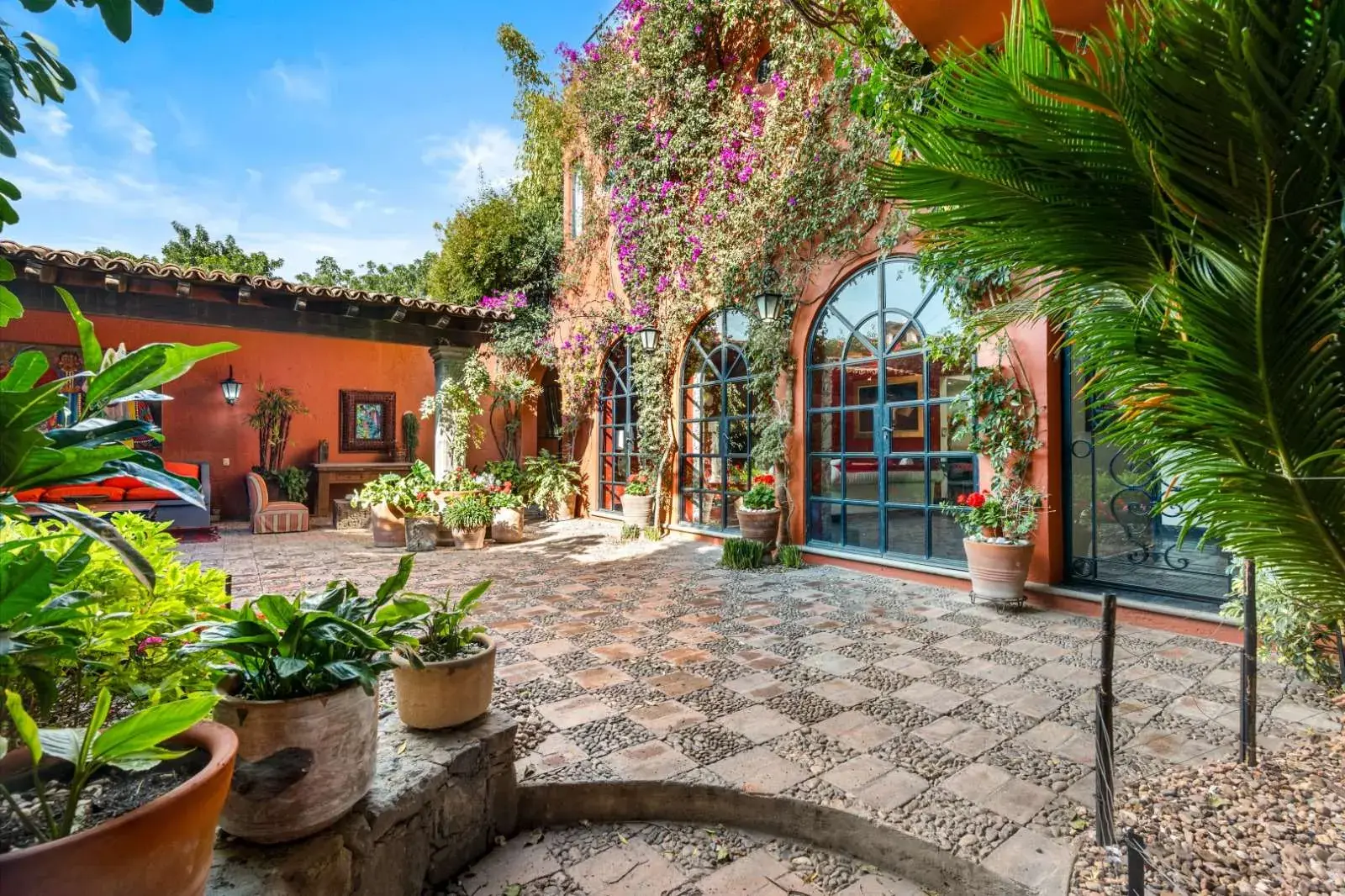
If you don't care about the ocean and prefer culture and eternal spring weather, you are probably looking at the colonial highlands. This is where I see the most "lifestyle" buyers—people who want to live here full-time, not just vacation. The value proposition here is usually better than the beach, but the secret is definitely out.
San Miguel de Allende is the crown jewel, and it is priced like one. Honestly, it is expensive. A renovated historic home in Centro can easily run $800,000 to $1.5 million USD. You are paying for the UNESCO heritage status and the incredible infrastructure for foreigners. However, if you go 15 minutes out to the countryside, you can build a massive estate for half that.
Then you have Mérida. Everyone is talking about Mérida right now because it is the safest city in Mexico. The heat is intense, but so is the value. You can still buy a fixer-upper colonial house in Centro for under $150,000 USD, though they are getting harder to find. Restored homes with pools are trading in the $300k-$450k range. It is booming, but the sheer size of the city keeps prices from skyrocketing as fast as San Miguel.
Lake Chapala (Ajijic) is another stronghold. It has arguably the best climate in the world. See Jalisco market. It is very retirement-focused. You can find comfortable, single-level homes (great for aging in place) for $250,000 to $400,000 USD. The inventory here moves steady, not crazy fast, not slow.
- Renovating historic homes in Centro zones requires INAH (federal institute) permits, which is a bureaucratic nightmare you must budget for.
- Mérida homes often have high electricity bills due to AC usage; look for solar panels included in the sale.
- San Miguel de Allende has a steep terrain; 'flat walking distance' to the jardin is the single biggest price multiplier.
- Water scarcity is becoming a real conversation in the highlands; check the cistern capacity of any home you view.
- Title issues are common in older colonial properties; ensure you have a 'Notario' run a full lien search going back 10 years.
Create a free account to unlock this guide
Create a complimentary PropTrenz account to unlock premium due diligence guides.
Get Started
Create Account
Already Have Account